
Something is quietly happening at supermarkets across America. The cart that used to be loaded with familiar standbys - eggs, beef, name-brand cereal, whole milk - is looking a little different these days. Lighter, in some cases. More deliberate. And increasingly shaped by a cocktail of soaring prices, new health priorities, and a food system under real strain.
One in three consumers bought fewer groceries in 2024 versus 2023, with price being the top reason. That's not a small group of budget shoppers making quiet adjustments. That's a massive slice of the American public rethinking what they put in the cart every single week. So what's actually getting skipped - and why? Let's dive in.
1. Eggs: From Breakfast Staple to Budget Buster

Honestly, eggs might be the most dramatic grocery story of recent years. What used to be one of the cheapest proteins in the store transformed into something people were genuinely rationing. Retail egg prices increased 32.2 percent in 2022, 1.4 percent in 2023, 8.5 percent in 2024, and 21.9 percent in 2025. That's not a blip. That's a sustained assault on a product most Americans consider essential.
An ongoing outbreak of Highly Pathogenic Avian Influenza that began in 2022 has caused egg prices to increase by reducing egg-layer flocks and egg production. And shoppers felt every bit of it. Eggs were the most frequently mentioned item consumers had stopped buying or reduced purchasing due to rising costs. Consumers viewed eggs as overpriced and reduced or stopped purchasing them altogether, with several responses indicating eggs were now treated as a "luxury," with people waiting for sales or substituting alternatives.
Egg prices hit an all-time average high of $6.23 a dozen before beginning to decrease - not because of policy choices, but rather the restocking of U.S. poultry farms. Some relief is finally in sight. Egg prices are predicted to decrease roughly 27 percent in 2026. For millions of families who quietly stopped buying them, that news cannot come fast enough.
2. Beef: The Red Meat Americans Are Thinking Twice About
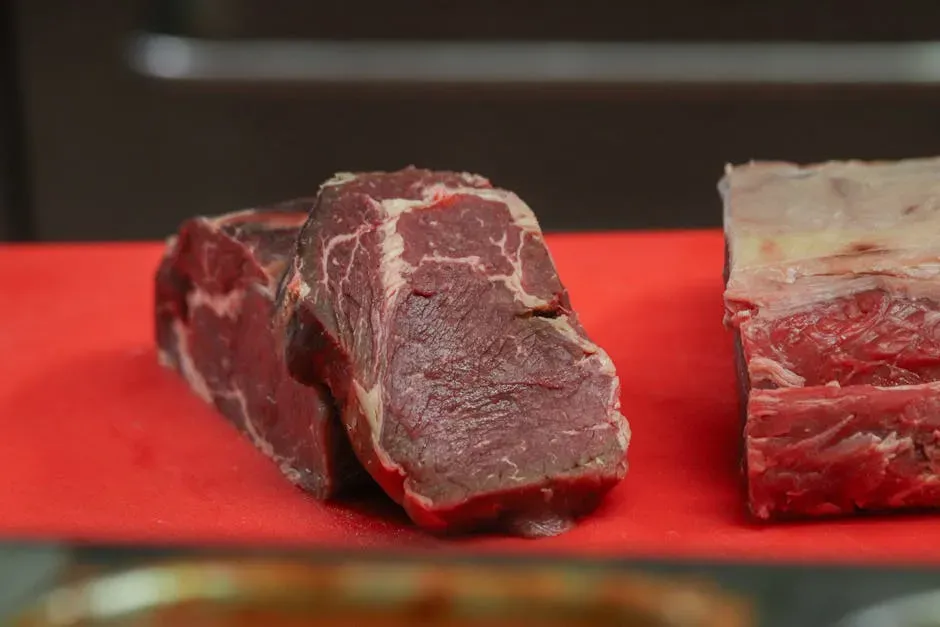
Here's the thing about beef - Americans love it. Always have. The backyard barbecue, the weeknight burger, the Sunday roast. It's practically cultural identity. So when people start skipping it at the store, you know something has genuinely shifted. The cost of beef hit record highs according to the U.S. Bureau of Labor Statistics, hovering at $6.10 a pound for ground chuck, while uncooked beef steaks averaged $11.49 a pound.
Driven by tight cattle supplies, farm-level cattle prices were more than a quarter higher in August 2025 than the previous year, and it was expected wholesale beef prices would increase around 12 percent. That kind of increase makes it hard to justify filling a cart with ribeyes. The USDA predicted beef and veal prices would increase roughly 9 percent overall in 2025. For budget-conscious households, that's simply too much to absorb.
Research firm Mintel in 2023 reported that 27 percent of U.S. shoppers said they were reducing their meat consumption. That trend only deepened into 2024 and 2025 as prices kept climbing. In the United States, meats, specialty foods and snacks are among the less purchased products, with other changes including the purchase of generic products to save money on groceries.
3. Name-Brand Cereals: A Morning Ritual Getting Replaced
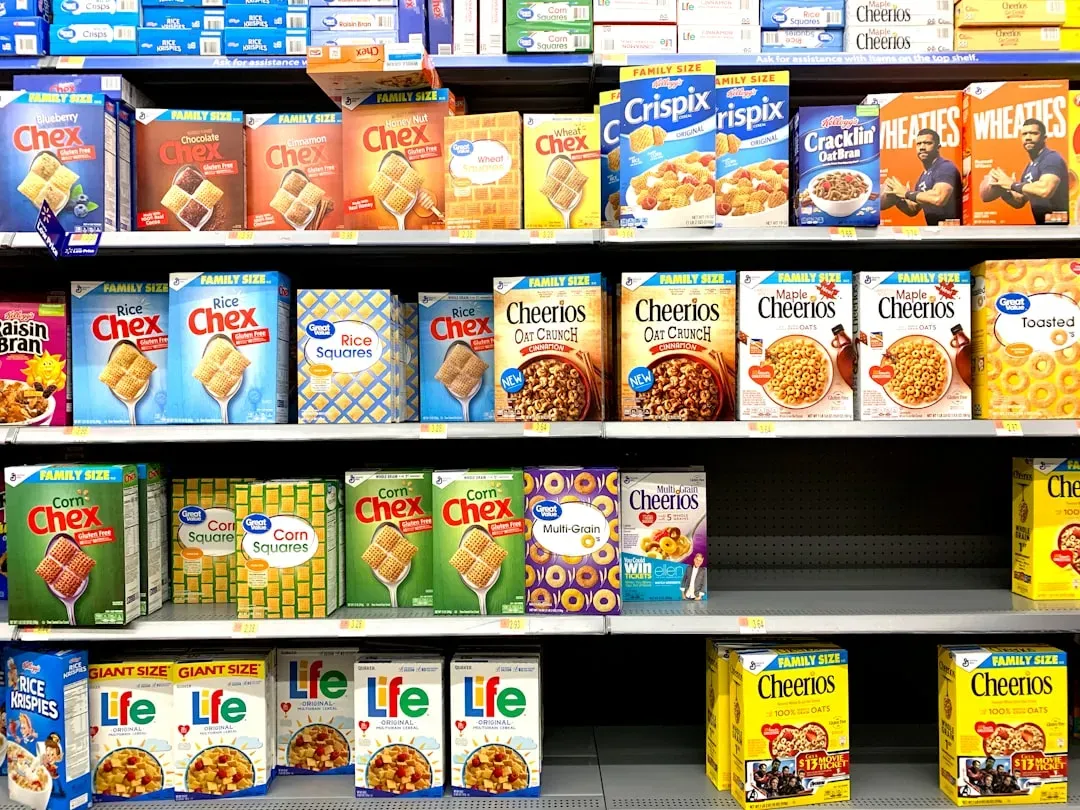
Breakfast cereal was once practically synonymous with American mornings. Bright boxes, cartoon characters, sugary promises. Yet the cereal aisle has quietly been losing ground. It's a trend driven partly by price and partly by a real change in how people think about what they eat in the morning. As cereal declines and coffee rises, alternative milks have found a new home in cafes, signaling just how much morning routines have shifted.
Snack food sales are dropping as consumer products companies grapple with shifting consumption patterns. Major companies in the CPG industry are experiencing declining snack sales, including General Mills, which reported a 5 percent drop in net sales for its third quarter and lowered its outlook for the year. That's a meaningful hit for a company whose cereal brands have been household names for generations. Consumers saved money by trading down from national or high-end brands to store brands or less premium alternatives.
In April 2025, U.S. regulators announced a plan to phase out petroleum-based synthetic dyes - like Red 40 and Yellow 5 - by the end of the following year, bringing U.S. standards closer to Europe's, where many of the same dyes require warning labels or are outright banned. For American consumers, the contrast had been hard to ignore. Parents, in particular, had long raised concerns over links between food dyes and hyperactivity, even as those same ingredients remained legal in children's snacks and cereals. Many families simply stopped buying the old favorites as trust eroded.
4. Packaged Snacks: The Category Losing Its Grip
Chips, cookies, crackers - the impulse aisle used to be a guaranteed sale. Not anymore. I think this shift is one of the more interesting ones because it's not purely about price. It's about something deeper. While some price-sensitive shoppers are opting for private-label branded snack foods, other consumers are trying to reduce their salt and sugar intake, with health and wellness becoming a growing concern for many.
PepsiCo reported that North American sales volumes for both Frito-Lay snacks and beverages fell 3 percent in its fourth quarter. That's a significant number for one of the biggest snack empires on earth. A study by Cornell and Numerator found that households with at least one GLP-1 user reduced their grocery spending by 5.5 percent within six months of starting the drug, with steep drops in purchases of calorie-dense, processed food items - including an 11 percent decrease in savory snacks - accounting for much of the reduction.
The Ozempic and GLP-1 wave is real, and it's reshaping the snack industry in ways that weren't easy to predict just a few years ago. An EY survey of consumers found that consumption of snack foods among GLP-1 users dropped between 40 and 60 percent, while their consumption of health and specialty foods increased roughly half. This is a structural shift in demand, not a short-term blip.
5. Conventional Dairy Milk: Quietly Being Swapped Out
Regular dairy milk has been losing shelf space in American refrigerators for years, but the pace has accelerated. Most people aren't quitting milk - they're diversifying it. Oat, almond, pistachio, macadamia - a whole new array of beverage trends has emerged. Milk alternatives have exploded not because of a mass exodus from dairy, but because consumers want more ways to personalize what goes into their coffee, cereal, and smoothies.
Research firm Mintel reported that 17 percent of U.S. shoppers were lowering their dairy intake. Combine that with the general cost pressure on grocery budgets, and conventional whole milk started falling out of the cart for a lot of households. Dairy prices including milk, cheese, and butter have softened because of oversupply and weaker demand, especially in fast food. So even the market itself is signaling a slowdown in conventional dairy purchasing.
In fact, nine in ten plant-milk buyers still drink traditional dairy - which means it's not a hard cutoff so much as a gradual mix-and-match shift. Still, when you spread that purchasing across millions of households, it adds up to real decline in conventional milk sales. The category isn't dead. It's just no longer automatic.
6. Specialty and Prepared Foods: Convenience That Costs Too Much

Pre-marinated meats, fancy meal kits, ready-to-eat deli items - these products boomed during a period when Americans had a little more discretionary spending. That era, for many households, is over. According to the December 2025 Consumer Food Insights Report from Purdue University's Center for Food Demand Analysis and Sustainability, roughly 82 percent of consumers modified their shopping behavior in 2025. The most common adjustments were seeking discounts and trading down to store brands. Nonessential purchases were also cut - the snacks, specialty items and things that used to go into the cart without a second thought.
Quicker shopping trips with fewer items increased, suggesting a more reactive shopping behavior where consumers grab what they need in the moment rather than buying in bulk or planning for future needs. That means specialty and convenience items are the first to get left on the shelf. Over the past six months before early 2025, more than 40 percent of respondents said they had somewhat reduced grocery spending, while about 15 percent reported making significant cuts.
Eighty-nine percent of U.S. consumers are striving to save money by cooking at home, which signals a real retreat from the premium convenience category. Think of it this way: when someone who used to grab a $14 prepared salmon dish starts making budget pasta instead, that specialty section loses a loyal customer - possibly for good.
7. Fresh Produce: The Healthy Choice That Became a Luxury
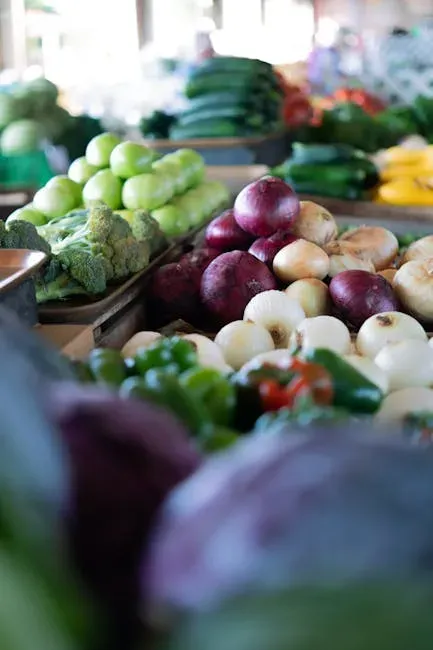
It sounds almost cruel. The foods that nutritionists have been telling Americans to eat more of are now among the items being skipped most. Fresh fruits and vegetables, once the assumed cornerstone of the grocery cart, have become harder to justify as prices climb and budgets tighten. Retail fresh vegetable prices increased by 2.8 percent from January 2026 to February 2026 and were more than 5 percent higher than the year prior.
A significant majority of consumers want lower prices on essential items like milk, eggs, bread, fruits, and vegetables. That sentence alone tells you everything. Even things people know they should buy are being skipped because the price is simply too high. Nearly 48 million people struggled to afford food in 2024, equivalent to 1 in 7 American households. For families in that category, a $5 bag of salad greens is a very real trade-off against other essentials.
Many families have shifted toward cheaper, less healthy options, such as more processed or shelf-stable foods. It's a deeply unfortunate irony - economic pressure pushing people away from the exact foods that would most benefit their long-term health. Beef, fruits, vegetables, coffee, and cocoa were all made more expensive to import by tariffs, and recent polling shows food affordability ranks as a top concern for households.
8. Premium Name Brands Across the Board: Loyalty Is Breaking Down
There's a quieter kind of grocery skipping happening too - one that doesn't always involve skipping a category entirely, but rather skipping the version of it people used to automatically reach for. An overwhelming 75 percent of respondents said the primary reason for choosing one store over another was simple: it offered the best prices. This explains why roughly 36 percent of respondents switched to dollar or discount stores in 2024, with more than two-thirds citing lower prices as their main reason.
The so-called "unscripted consumer" is adjusting spending patterns to balance a more limited budget - this may mean making trade-offs between different product segments like choosing between private label and a premium brand, or shifting shopping patterns like visiting value channels more often. That's a polite way of saying brand loyalty, something food companies spent decades and billions building, is quietly crumbling. In 2024, the average unit price increased only 1.7 percent, but consumers were still overwhelmed and trying to make their dollars go further to cover basic necessities - and many grocery products simply don't make the cut when consumers need to decide between necessities and nice-to-haves.
Between 2020 and 2024, the average family of four spent an additional $8,300 on groceries over the period. In 2025, various comparisons of grocery costs found substantial increases in the past year, including an increase of more than $300 based on a typical basket of goods and an average 5 percent price increase across a broad range of typical products at Walmart. When cumulative costs add up to that kind of number, every line item in the cart gets scrutinized - including the brands people have been buying their whole lives.
9. Pantry Convenience Items: Instant Foods and Processed Staples
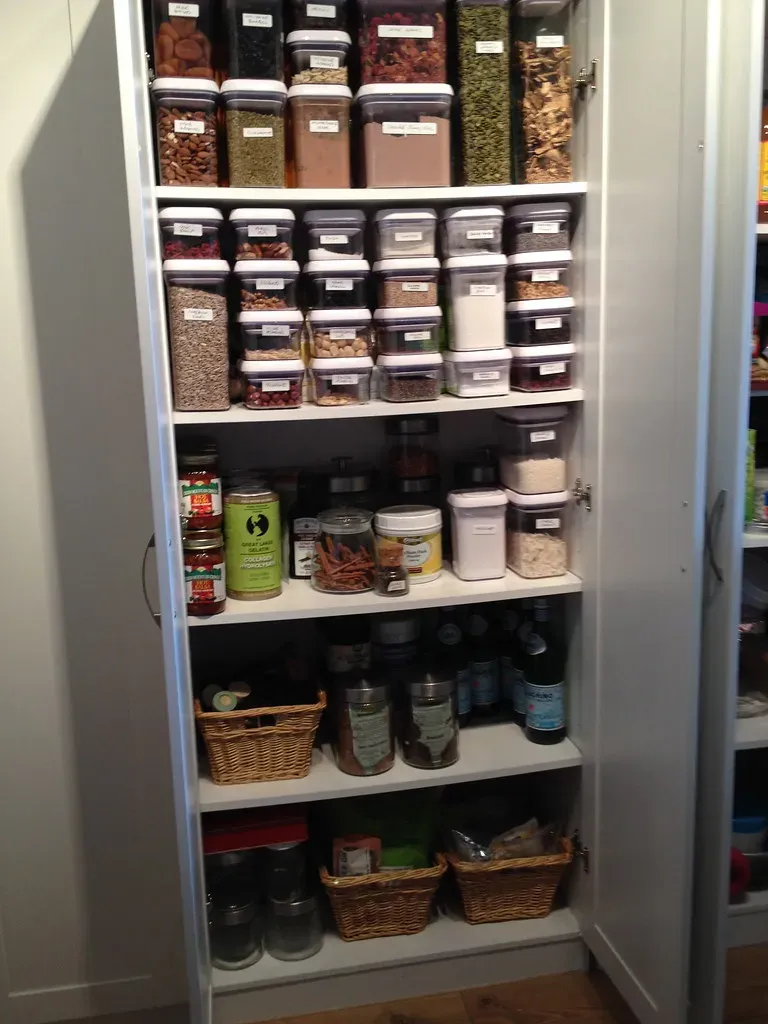
Instant soups, boxed dinners, processed side dishes - these products always occupied a strange middle ground. They weren't luxury items, but they weren't exactly budget staples either. Now, squeezed from both ends by price pressure and a growing awareness of what's actually in them, they're getting passed over. Consumers who feel overwhelmed are looking to control what they can - including their diet - and are more closely reading labels, examining production methods and scrutinizing companies' ethos.
One of the quiet winners of the past few years has been the humble pantry staple. For years, these foods felt old-fashioned. Now, the ingredients that keep for months and cost almost nothing per serving - such as dried beans, lentils, canned tomatoes, pasta and rice - are having a moment. The appeal is obvious: a pot of slow cooker lentil soup costs a few dollars to make and feeds a family for days. So it's not that people are abandoning the pantry. They're just choosing differently within it.
During shopping hauls, consumers are reaching for bulk sizes and shelf-stable staples that will keep their pantries stocked longer and help their budgets stretch further. The irony is that this shift is actually healthier in many ways. Dried legumes beat processed instant dishes on almost every nutritional measure. Sometimes economic pressure accidentally nudges people in the right direction.
10. Prepackaged Deli and Specialty Meats: The Hidden Price Hike
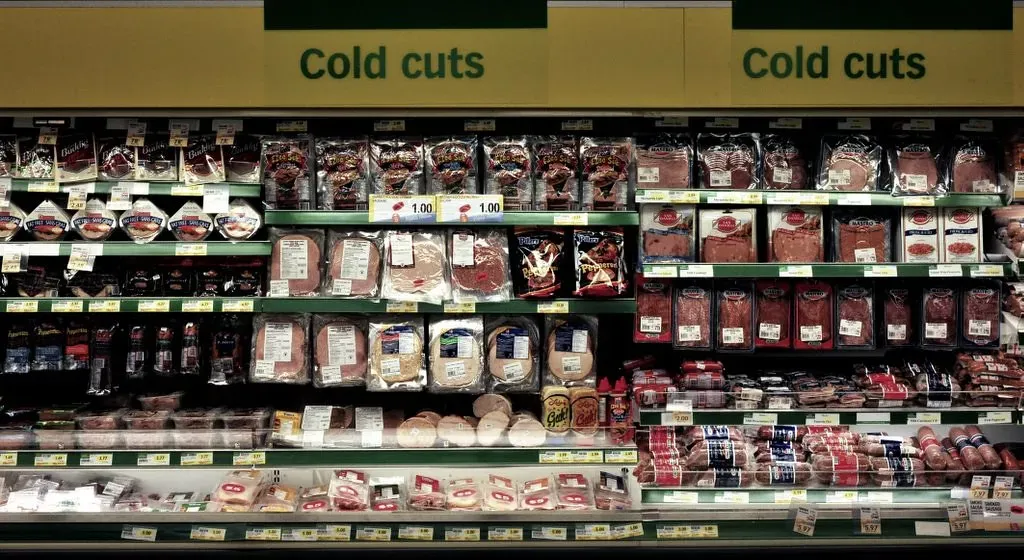
Pre-sliced deli meats, specialty sausages, flavored lunch meats - these products always carried a premium markup for the convenience of grab-and-go packaging. But that markup has become a problem when food budgets are already stretched thin. According to the Consumer Price Index 2024 review, food prices increased 2.5 percent, with a 1.8 percent rise in costs for food at home. The Federal Reserve Bank of St. Louis noted food prices had jumped nearly 30 percent since 2019. That cumulative burden hits processed and packaged deli products especially hard.
Between 2020 and 2024, the average family of four spent an additional $8,300 on groceries over the period. When households crunch those numbers and look for ways to cut, pre-packaged deli items - at two or three times the per-pound cost of buying a roast and slicing it yourself - become an easy target. There's a noticeable trend toward making meals from scratch rather than purchasing prepared or prepackaged foods.
In 2026, overall food prices are predicted to rise another 3.6 percent. Food-away-from-home prices are predicted to rise 3.9 percent, while food-at-home prices are predicted to rise 3.1 percent - both faster than their 20-year historical average rates of price increase. Until meaningful relief arrives at the register, expect American shoppers to keep scrutinizing every convenience item in the cart, and deli meats will stay firmly in the crosshairs.
The Bigger Picture: A Grocery Revolution Nobody Planned
What's happening in American grocery aisles right now isn't just about frugality. It's a genuine reordering of priorities - a forced reckoning between what people want to buy and what they can actually afford. Food insecurity has reached rates not seen in a decade. Nearly 48 million people struggled to afford food in 2024, equivalent to 1 in 7 American households. A study from Purdue University found that the rate of food insecurity likely rose further in 2025, reaching 16 percent by November 2025.
Grocery prices rose 11.4 percent in 2022, 5.8 percent in 2023 and 2.3 percent in 2024, and USDA forecasts predicted food-at-home would increase about 3.3 percent in 2025. Add those numbers together over five years and you get a cumulative burden that permanently changes shopping habits, not just temporarily adjusts them. The Federal Reserve Bank of St. Louis noted food prices had jumped nearly 30 percent since 2019. That's not inflation shoppers shake off. That's inflation that rewires how an entire generation shops.
The grocery cart has become a quiet autobiography of economic reality. What Americans are skipping says just as much about where the country is as any economic report ever could. The real question isn't which staples are being cut. It's whether the conditions that are driving these cuts will ease enough - and soon enough - for people to start filling their carts with confidence again. What would you have thought, just five years ago, if someone told you eggs would feel like a luxury?


Leave a Reply