
Most people pick a restaurant based on cravings, reviews, or a friend's recommendation. Very few stop to think about when they walk through the door - and that timing, according to industry insiders, can make the difference between a memorable meal and a forgettable one. The hour you arrive affects everything from food quality and service speed to how much personal attention your table actually receives. Chefs, managers, and hard data all point to the same conclusion: timing your visit wisely is one of the most underrated dining decisions you can make.
The Dinner Rush Window Is the Most Dangerous Time to Arrive
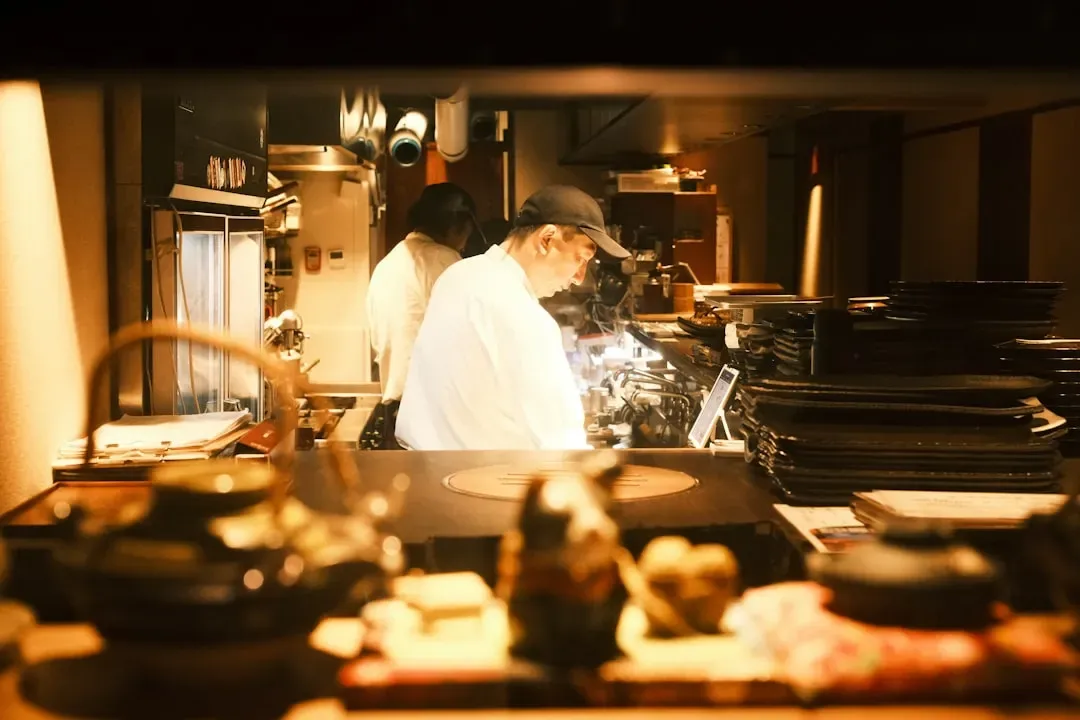
The dinner rush running from 5 to 9 p.m. is the busiest window for most restaurants, which means staffing, prep, and workflows must be locked in before service starts - not during it. When you walk in during the height of this window, you are entering a kitchen that is already under maximum pressure. Every station is firing simultaneously, communication between cooks is frantic, and any small error cascades quickly across a full dining room.
Time constraints during peak hours often result in rushed processes, which can lead to food preparation errors, hygiene lapses, or uneven portioning - all of which affect customer satisfaction and increase waste. This is not a matter of a restaurant being "bad." Even excellent kitchens are vulnerable when order tickets stack up faster than they can be cleared. The quality gap between a meal prepared with care during a quiet moment and one rushed out at peak volume is real and measurable.
Saturday Nights Are the Single Worst Time to Visit a Restaurant
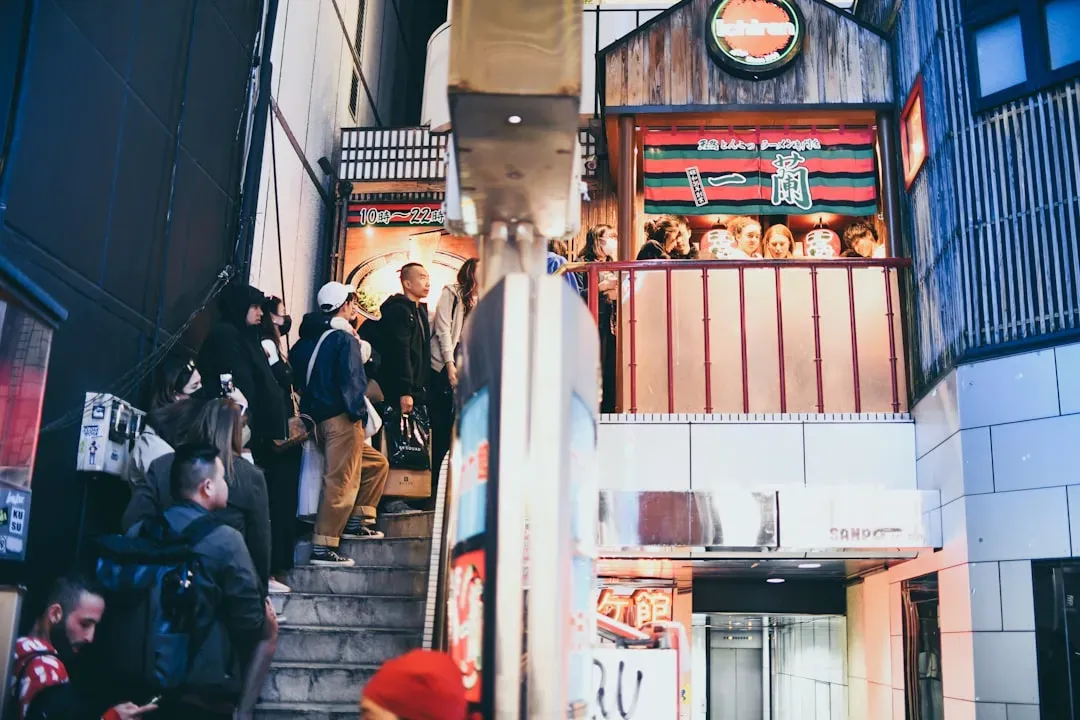
Despite a slight dip year-over-year, Saturdays are still the busiest for reservations, accounting for roughly 27% of the total in Q3 2024. That concentration of demand in a single evening creates stress across every part of the operation. Hosts scramble to manage waitlists, servers are stretched thin across too many tables, and kitchen staff are pushing out more covers than on any other night of the week.
When guests are added to a waitlist, they typically hang around outside - or inside - for an average of 20 minutes before canceling, a slight increase from Q3 2023. That figure tells you something important: walk-in customers on Saturday nights routinely wait, and many eventually give up. Waitlist guests who successfully get a table spent an average of nine minutes waiting in Q3 2024, up three minutes from Q3 2023. Wait times are creeping upward, not shrinking.
6 p.m. and 7 p.m. on Fridays Are Equally Overcrowded
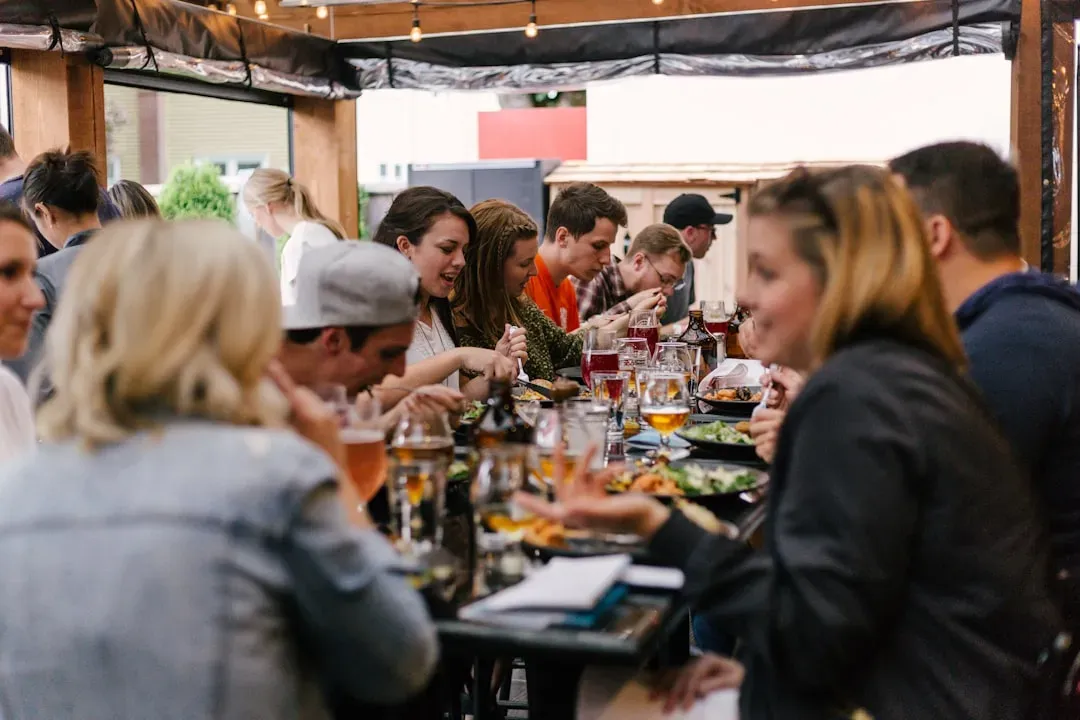
The heaviest crowds in restaurants gather at 6 p.m. on Fridays, when many people finish work for the week and are ready to head out for dinner. These two back-to-back evenings create what restaurant managers privately refer to as the "double peak" - a sustained rush with almost no recovery time between services. Reservations at 6 p.m. in Q3 2024 accounted for approximately 27% of dinner reservations during dinner service, a 6% increase compared to Q3 2023, while reservations at 7 p.m. still accounted for 25% of total dinner reservations.
Once Friday hits, restaurants tend to see a big jump in traffic as people are more inclined to enjoy a night out after the workweek, and this surge generally carries through Sunday. Arriving at 6 or 7 p.m. on a Friday means you are competing with the single largest concentration of other diners in the entire week. Your food takes longer, your server is stretched, and the kitchen is running on adrenaline rather than precision.
The Best Time to Visit Is Earlier Than You Think - and Mid-Week
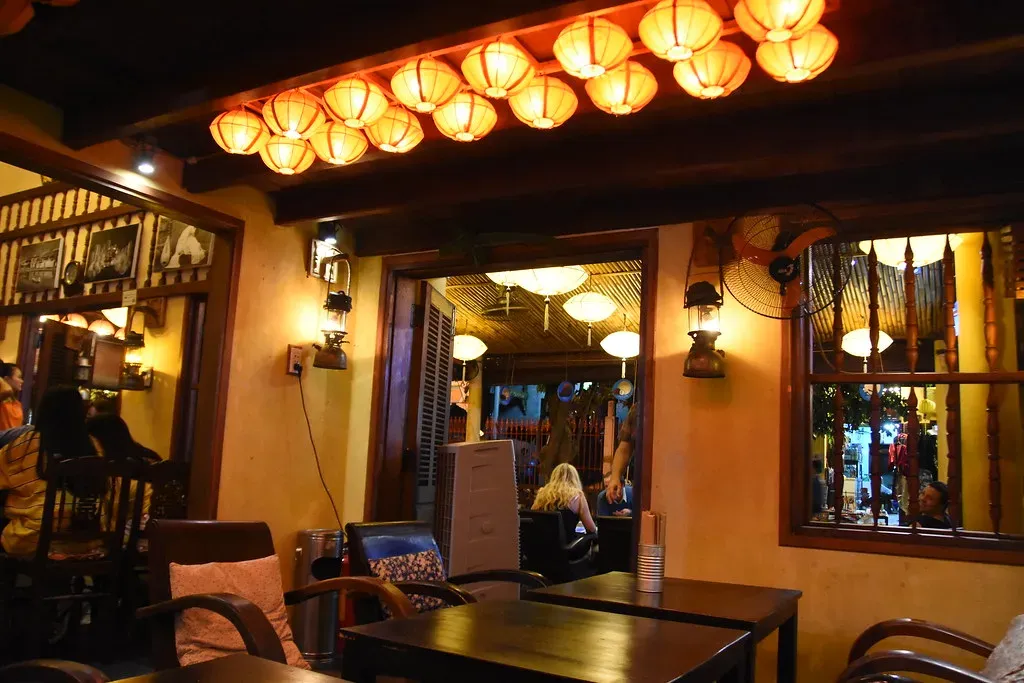
Chefs advise people to arrive between 4 p.m. and 5 p.m., when the restaurant is quieter, the staff has arrived, and dinner is less rushed. This early window is sometimes called the "sweet spot" - the kitchen is fully prepped, the team is fresh, and the dining room is calm enough for cooks to actually focus on each individual plate. The food that comes out in this window consistently reflects the chef's full intention, not a compromise dictated by volume.
Mid-week dining has emerged as a new trend, with Wednesdays seeing an 11% increase in dining out year-over-year - the largest increase of any other day - and 43% of Americans in OpenTable's survey plan to dine out on Wednesdays if they choose to eat out during the week, primarily to break up the week. Tuesday and Wednesday evenings offer something that Friday nights simply cannot: genuine attention. Quiet days mean better service - with fewer people, servers can focus more on each table, offer personalized care, and meet your needs quickly.
Tuesday Remains the Industry's Best-Kept Secret for Diners
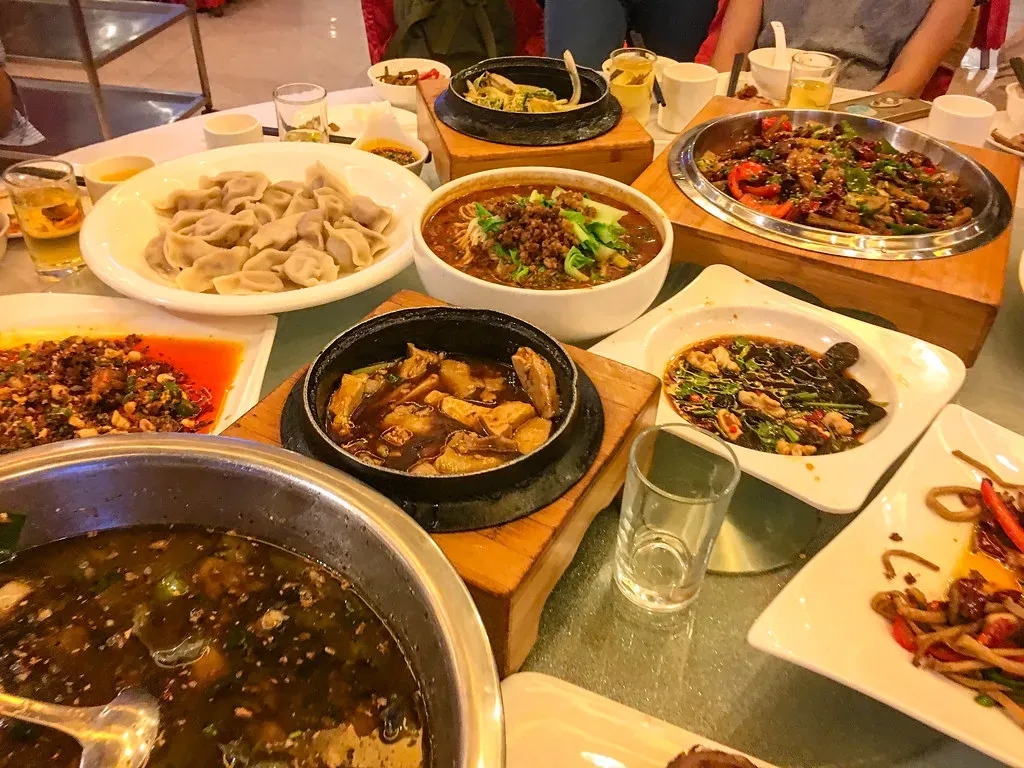
Iconic chef and food writer Anthony Bourdain shared his insight into the best nights to eat out in New York City in his first book "Kitchen Confidential," promoting Tuesday as the best night to eat out - part of his reasoning being that after surviving the weekend rush of tourists and crowds, restaurant workers enjoy serving the regulars and locals early in the week. That dynamic still holds true today. On a Tuesday, the kitchen is not depleted, the staff has not been running since Friday, and there is actual room for creativity.
The more relaxed pace on Monday through Wednesday might even result in special treatment - if your meal is for a special occasion like a wedding proposal or birthday, the staff feels less pressure to turn over the table for the next party. Restaurants also try to draw in customers with special prices, happy hours, or set menus on Tuesdays, which means your quieter, less-rushed dining experience often comes with better value attached to it as well.
Holiday Season and Summer Peaks Make Timing Even More Critical
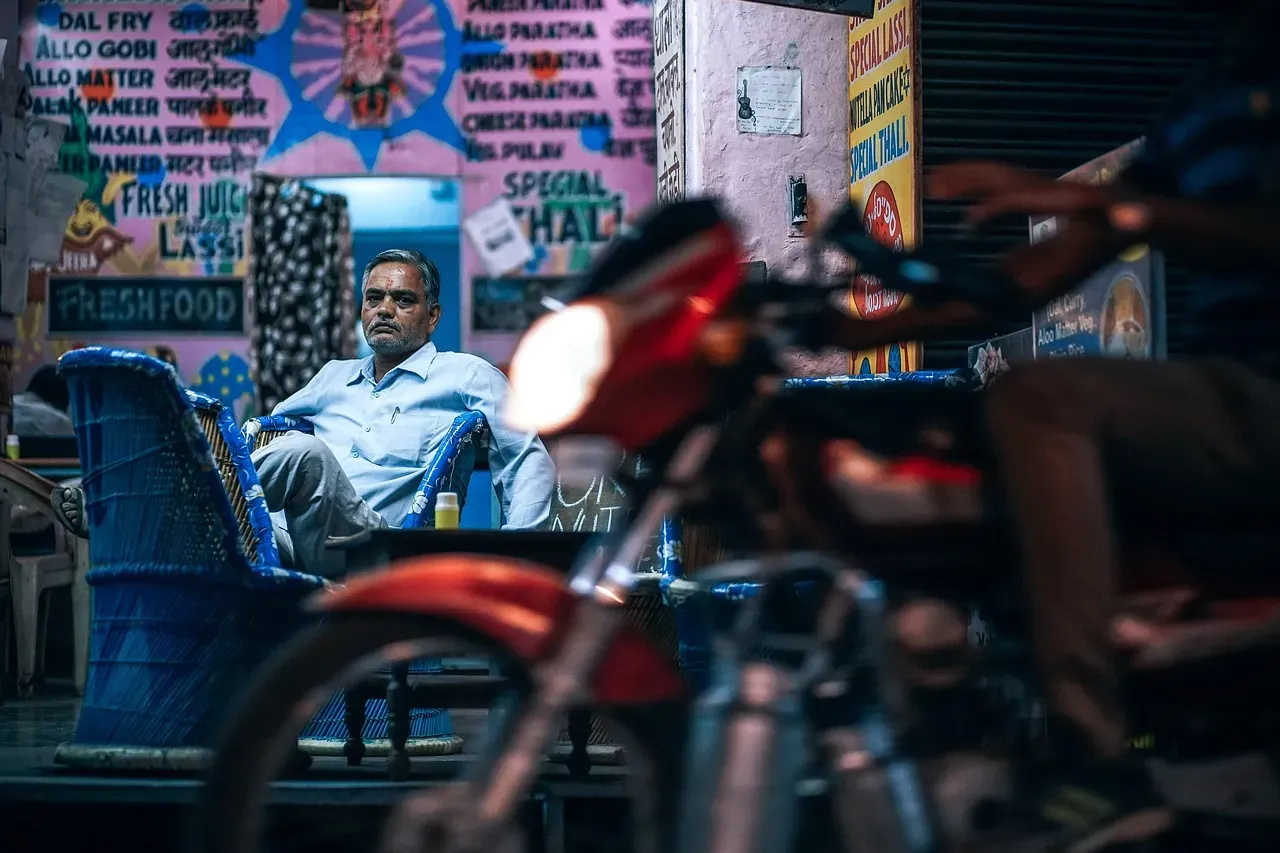
Summer and December drive the highest restaurant traffic, with roughly 63% of adults dining out during the holidays. During these periods, the problems associated with peak hours become dramatically amplified. A restaurant that handles a busy Friday night gracefully in February may genuinely struggle under the combined pressure of a Friday night in December, when holiday parties, larger group bookings, and seasonal hires all converge at once.
The months of April to August and November to January 1st are the busiest in the hospitality industry, particularly in the restaurant business. According to TouchBistro's State of Restaurant report, 44% of operators cited staff turnover as their number one labor concern in 2024, with many reporting low morale among their teams. This staffing strain is worst precisely when you are most likely to visit - on a busy holiday weekend evening - making the case for off-peak timing even stronger during those months of the year.



Leave a Reply