
Every time you toss a product into your shopping cart, you're placing a quiet but enormous amount of trust in a small rectangle of printed text on its packaging. Most of us skim labels at best, scanning for calories or checking whether something is "organic." But what happens when that label is incomplete, misleading, or flat-out missing critical information?
The reality, it turns out, is a lot more alarming than most shoppers realize. Food safety experts have been raising the alarm for years, and the latest data from 2024 and 2025 makes a pretty compelling case that the gaps in food labeling are not just a bureaucratic headache. They can be genuinely dangerous. Let's dive in.
The Undeclared Allergen Problem: The Single Biggest Trigger for Recalls
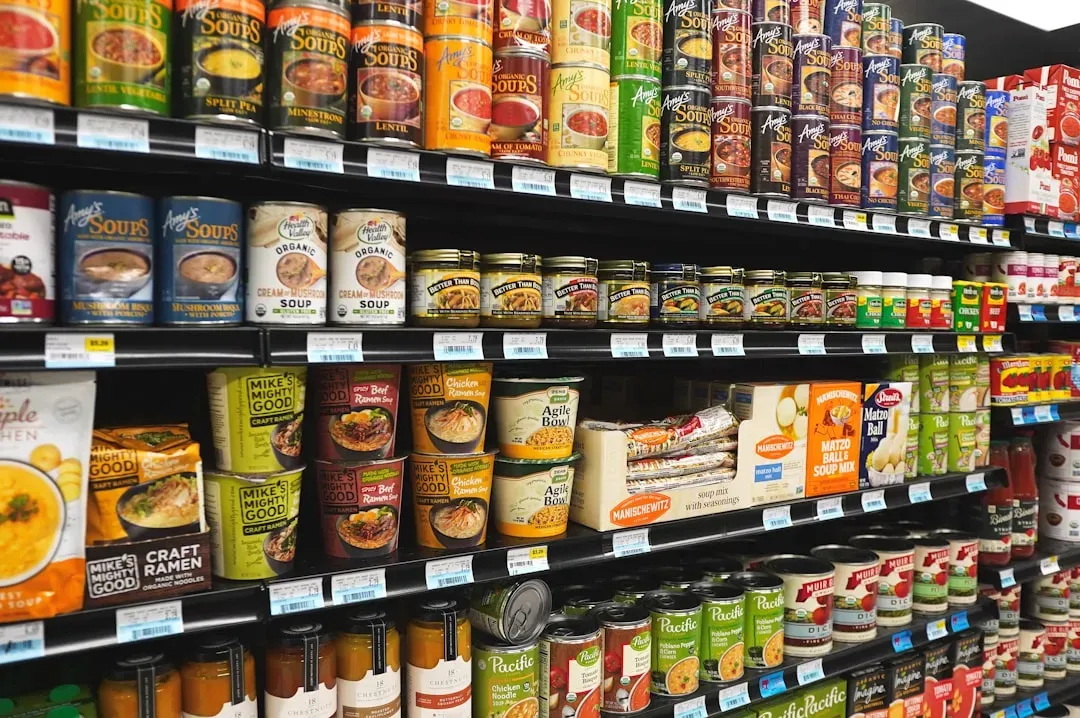
Here's the thing that might genuinely shock you: missing allergen information is not some edge-case issue. Undeclared allergens and ingredients were the single biggest cause of food recalls in 2024, totaling 101 recalls, or roughly a third of the entire year's total. Think about that for a moment. One in three food recalls came down to a label failing to tell someone what was actually inside the package.
The CDC estimates that about 6.2 percent of U.S. adults and 5.8 percent of U.S. children have a food allergy, meaning an adverse reaction involving the immune system that occurs soon after eating a certain food. For those people, a missing label isn't inconvenient. It could send them to the emergency room.
The law requires companies to declare what experts call the "Big 9" allergens, which include milk, eggs, fish, shellfish, tree nuts, peanuts, wheat, soy, and sesame, on food labels. Even trace amounts can trigger severe or life-threatening reactions, so these recalls are almost always classified as Class I, the highest risk level.
A simple oversight, like missing an allergen declaration, can have serious consequences for both a business and its customers. Real-world examples keep surfacing. In early 2025, Frito-Lay recalled about 6,000 bags of Lay's potato chips after some bags were filled with the wrong flavor that contained undeclared milk. It sounds almost absurd, but these are the kinds of production errors that keep safety professionals up at night.
Confusing Date Labels: A Nationwide Mess With Real Consequences
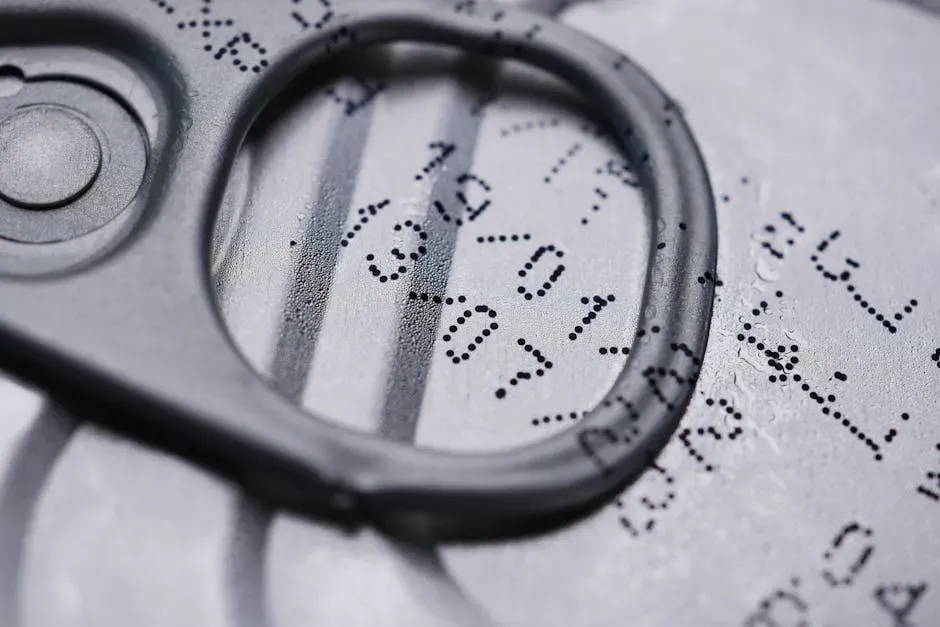
Honestly, date labeling in the U.S. is something of a quiet disaster. There are no uniform or universally accepted descriptions used on food labels for open dating in the United States, and as a result, there is a wide variety of phrases used on labels to describe quality dates. "Best By," "Sell By," "Use By," "Freeze By." Four different phrases, wildly different implications, and almost no consumer education on what any of them actually mean.
A "Best if Used By/Before" date indicates when a product will be of best flavor or quality, and it is not a purchase or safety date. A "Sell-By" date tells the store how long to display the product for sale for inventory management, and it is also not a safety date. Yet many shoppers treat all of these dates as hard expiration warnings and toss perfectly good food as a result.
USDA estimates that roughly 30 percent of the food supply is lost or wasted at the retail and consumer levels. A significant chunk of that waste comes directly from this labeling confusion. The USDA's Food Safety and Inspection Service and the FDA published a request for information on food date labeling, seeking public input to help establish clearer guidance about terms such as "Sell By," "Use By," and "Best By," and the agencies recommend the food industry voluntarily apply the "Best if Used By" label. Voluntary, though. Not mandatory. That distinction matters enormously.
The Front-of-Package Gap: What You Don't See at First Glance
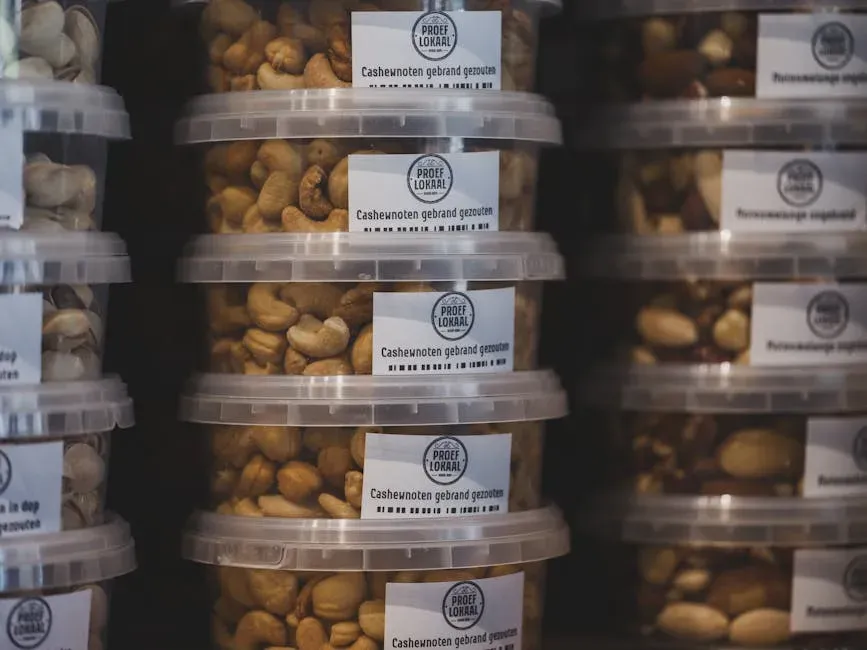
Walk down any grocery aisle and you'll notice most products are designed to catch your eye from the front, not inform you. Bold colors, health claims, and marketing slogans compete for your attention. But the nutritional reality is typically buried in small print on the back or side. Proposed regulations that would require front-of-package nutrition labeling to help consumers more quickly and easily understand what they're eating have faced serious delays.
In December 2024, the FDA revised the definition of "healthy" for food labeling for the first time since 1994, with the revision intended to align food labeling with current nutrition science and federal dietary guidelines to ultimately help shoppers choose foods and beverages that meet their dietary goals. That's a meaningful step forward. Still, the absence of a mandatory front-of-package system means that a product can plaster "natural" or "wholesome" on its front while hiding a troubling nutrition profile in the fine print.
A study published by the European Institute of Innovation and Technology found that roughly 63 percent of European consumers believe that food brands are lying about the sustainability of their products and are not transparent about their labels. That's a striking finding. It suggests the problem isn't just technical. It reflects a fundamental breakdown of trust between consumers and the food industry.
Bioengineered and GMO Labeling: The Transparency Debate That Won't Go Away
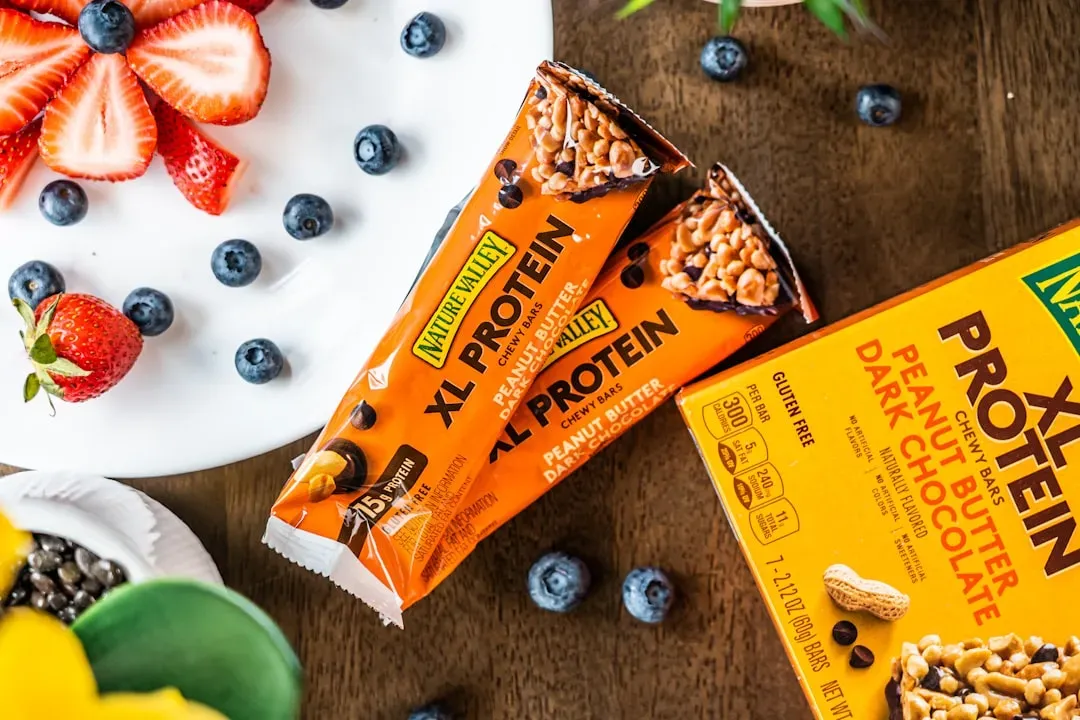
If you've ever wondered whether the corn in your chips or the soy in your protein bar was genetically engineered, welcome to the club. The answer is surprisingly hard to pin down without clear labeling. A final rule to update the National Bioengineered Food Disclosure Standard's list of bioengineered foods by adding sugarcane and amending the entry for squash became effective in December 2023, and mandatory compliance began on June 23, 2025.
Some notable policy goals currently under consideration include repealing federal dietary guidelines and removing labeling requirements for genetically modified foods. If that happens, it would represent a major rollback in consumer transparency. I think most people, whatever their views on GMO safety itself, would agree they deserve to know what's in their food.
A 2022 court decision held that QR-only disclosures are insufficient for USDA's bioengineered food labeling requirements. This is important: if a brand can satisfy disclosure obligations by tucking a QR code somewhere on the package, many shoppers will simply never access that information. Not everyone has a smartphone handy in the produce aisle. Not everyone knows to look.
Country-of-Origin Labels: When "Product of USA" Doesn't Mean What You Think
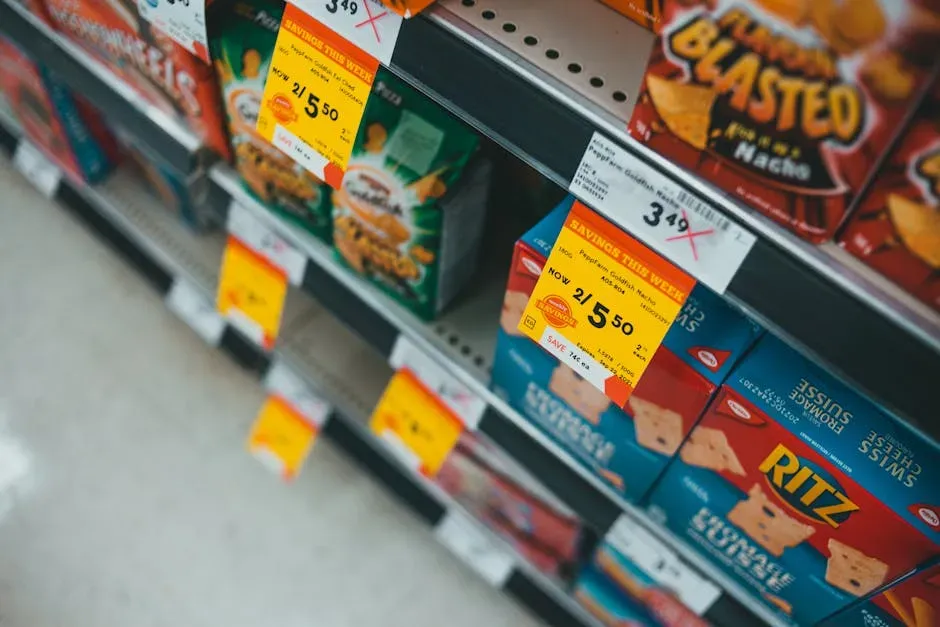
Most shoppers assume that when a package says "Product of USA," the animal was born, raised, and processed entirely on American soil. For a long time, that assumption wasn't guaranteed by law. FSIS published a final rule on voluntary labeling of FSIS-regulated products with U.S.-origin claims in March 2024, amending the regulations to define the conditions under which the labeling of meat and poultry products may bear voluntary label claims indicating that the product is of U.S. origin.
As of January 1, 2026, establishments that use a U.S.-origin claim on FSIS-regulated products are now required to maintain and provide the agency access to documentation that demonstrates how the product meets the regulatory criteria for use of the claim. That's a genuinely positive development. Before this rule, the claim was murky enough that an animal could be born abroad, shipped to the U.S., slaughtered and packaged here, and still carry that "Product of USA" label.
The problem is broader than just meat. Country-of-origin transparency affects how consumers assess food safety risks, particularly when certain regions have weaker agricultural regulations or known contamination histories. Experts note that inconsistent labeling as well as a lack of information about a product's origin, ingredients, or other important details are red flags that can indicate broader food fraud risks.
Food Traceability: The Label Gap That Makes Recalls Slow and Deadly

When contaminated food reaches store shelves, the clock starts ticking. The faster a source can be traced, the faster a recall can happen and the fewer people get hurt. Yet traceability has historically been one of the most underdeveloped areas of food labeling and record-keeping. The Food Traceability Final Rule, introduced under Section 204 of the Food Safety Modernization Act, establishes a Food Traceability List and requires facilities working with foods on that list to comply with enhanced record-keeping requirements to ensure quicker and more effective recalls in case of contamination.
Recent high-profile food recalls, such as those involving McDonald's and Boar's Head, have underscored the critical need for robust traceability systems. The ability to quickly trace food from source to plate is no longer just a nice-to-have; it's becoming a necessity for food companies worldwide. The numbers back this up in stark terms. Frozen shakes linked to 12 deaths across 21 states were traced back to a contamination source that had gone undetected as far back as 2018, highlighting the challenge of tracing foodborne illnesses to their sources.
Under the Food Traceability Final Rule, QR codes can help track high-risk foods like leafy greens or deli salads across the supply chain, allowing access to data such as harvest dates, packaging sites, and transportation conditions. In theory, this could be transformative. In practice, the rule only covers foods on a specific list, and enforcement only began in January 2026. Millions of products still fall outside its scope entirely.
The Severity Surge: Why Missing Labels Are Becoming a Life-or-Death Issue
You might think that with all the regulatory attention food labeling receives, the situation is steadily improving. The numbers from 2024 tell a more complicated story. In 2024, there were 296 total food recalls from the FDA and USDA combined. However, the number of people sickened by recalled food rose to 1,392, up from 1,118 in 2023, and hospitalizations more than doubled, increasing from 230 in 2023 to 487 in 2024.
What worsened most was the severity of outbreaks, with hospitalizations and deaths linked to contaminated foods doubling from the previous year. Experts say these numbers only capture a small fraction of foodborne illnesses occurring nationwide. That last part is worth sitting with. The documented cases are just the visible tip of a much larger iceberg.
The CDC estimates that about one in six Americans get sick from foodborne illness each year, leading to about 128,000 hospitalizations and 3,000 deaths annually. Many of those cases are directly connected to labeling failures, whether it's a missing allergen, an unclear date stamp, or an untracked contamination source. Even if a product is perfectly safe, inaccurate or incomplete food labels can still result in a recall, but when the product is not safe, the absence of clear labeling can delay the response that saves lives.
The grocery store might feel like a routine, ordinary place. It is, in many ways. But the labels on those products represent a silent contract between the food industry and the people it feeds. When those labels are incomplete, vague, or simply missing, that contract breaks down in ways that are sometimes invisible and sometimes devastating. What gets printed on packaging, and what gets left off, matters far more than most of us ever stop to consider.
What do you think needs to change first? Tell us in the comments.


Leave a Reply