
You can spot a real food lover from across the room. Not from how they dress, not from how they talk about restaurants - but from the precise, almost reverent way they interact with a plate. Over years of cooking privately for clients ranging from tech executives to artists to quietly obsessed home gourmands, I've noticed patterns that separate the truly passionate eaters from the casual crowd.
These aren't small things. They are deep behavioral habits, almost like a code of ethics around the table. Some of them surprised me early in my career. Others confirmed what I'd always suspected. Let's dive in.
1. They Actually Slow Down and Pay Attention
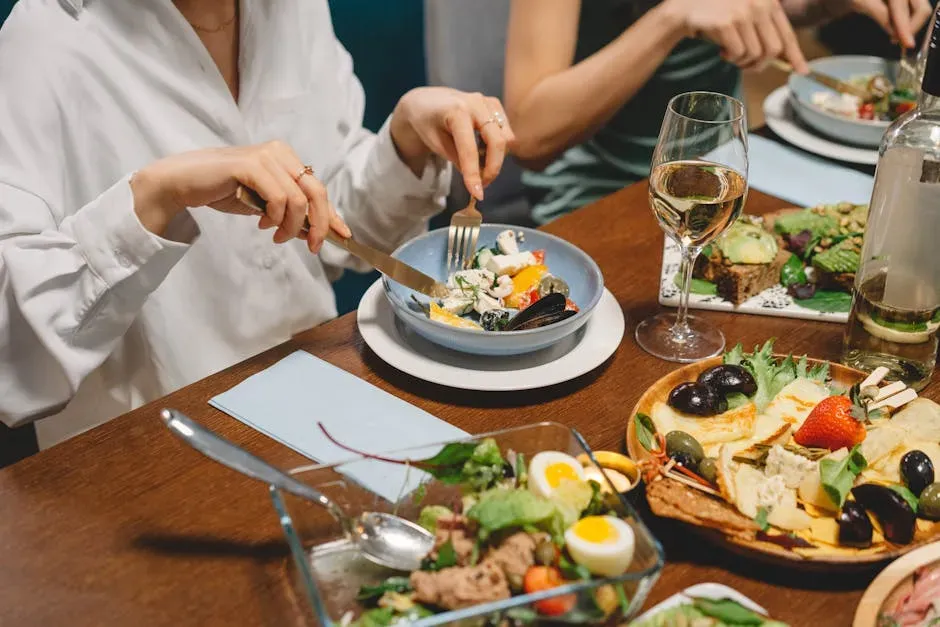
Serious food lovers eat differently from the moment a dish lands in front of them. Food lovers often develop a deeper appreciation for mindful eating, which means slowing down, paying attention to flavors, and honoring the ingredients and traditions behind the dish. It's not performance. It's a genuine pause that I've learned to respect as a chef. Think of it the way a sommelier sniffs a glass before tasting. That moment of stillness before the first bite is everything.
When you eat mindfully, you engage all your senses - noticing the richness of a sauce, the crunch of a fresh herb, or the subtle heat that builds in a perfectly seasoned curry. Honestly, watching a real food lover eat is one of the most rewarding parts of my job. Most people just eat. These people experience.
2. They Ask About Ingredients Before They Ask About Anything Else
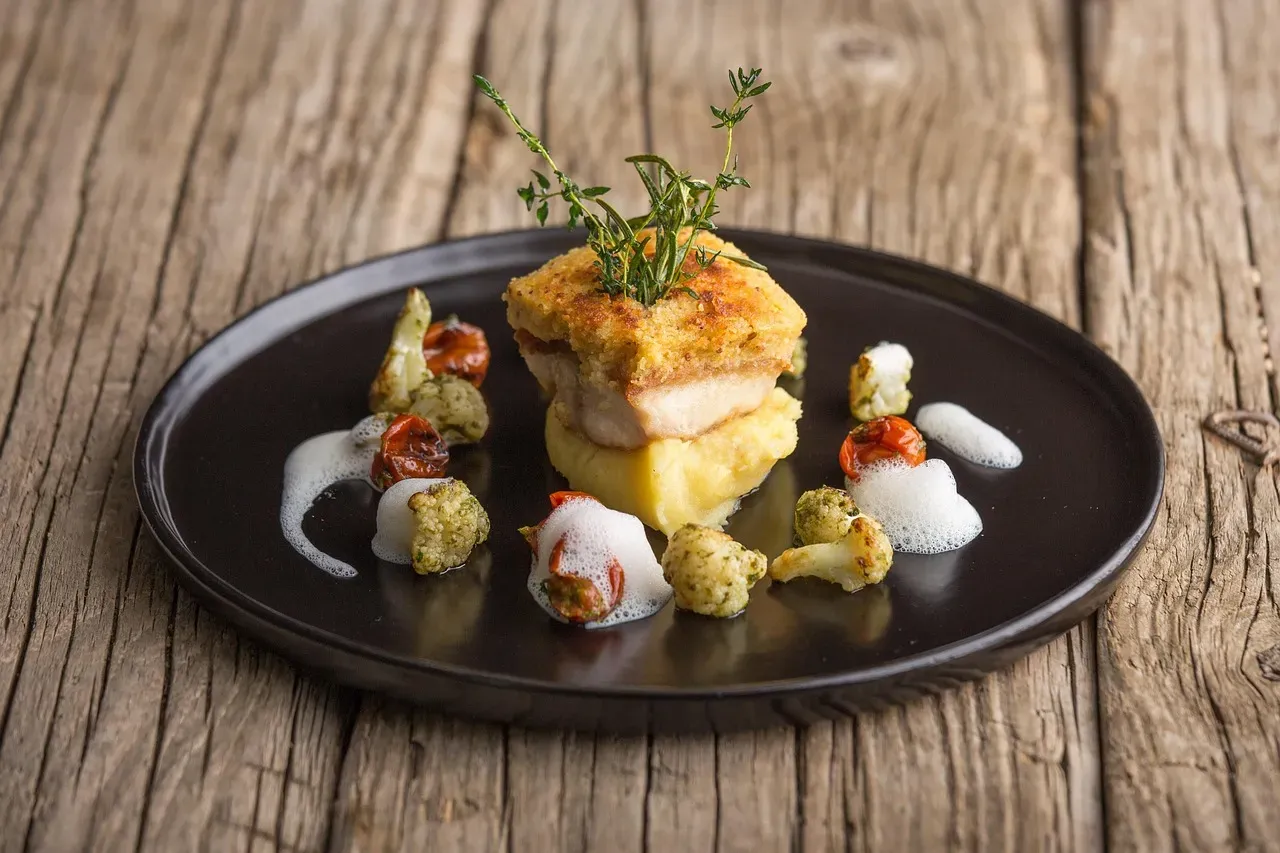
The first question is almost never "How long did this take?" It's "Where is this from?" or "Is this the seasonal version?" Chefs are prioritizing local sourcing and seasonal ingredients, and many are committing to zero-waste practices in their kitchens. Serious diners already know this and want to be part of that story. They're not being difficult. They're being curious.
Locally sourced ingredients that tell a story of terroir and tradition, the revival of time-honored techniques such as curing, smoking, and fermenting, and exclusive small-batch productions that emphasize quality over quantity - these are the things that light up a real food lover's face. I once spent twenty minutes discussing a small-batch Burgundy vinegar with a client who hadn't even taken his first bite yet.
3. They Have a Strong Relationship With Fermented Foods
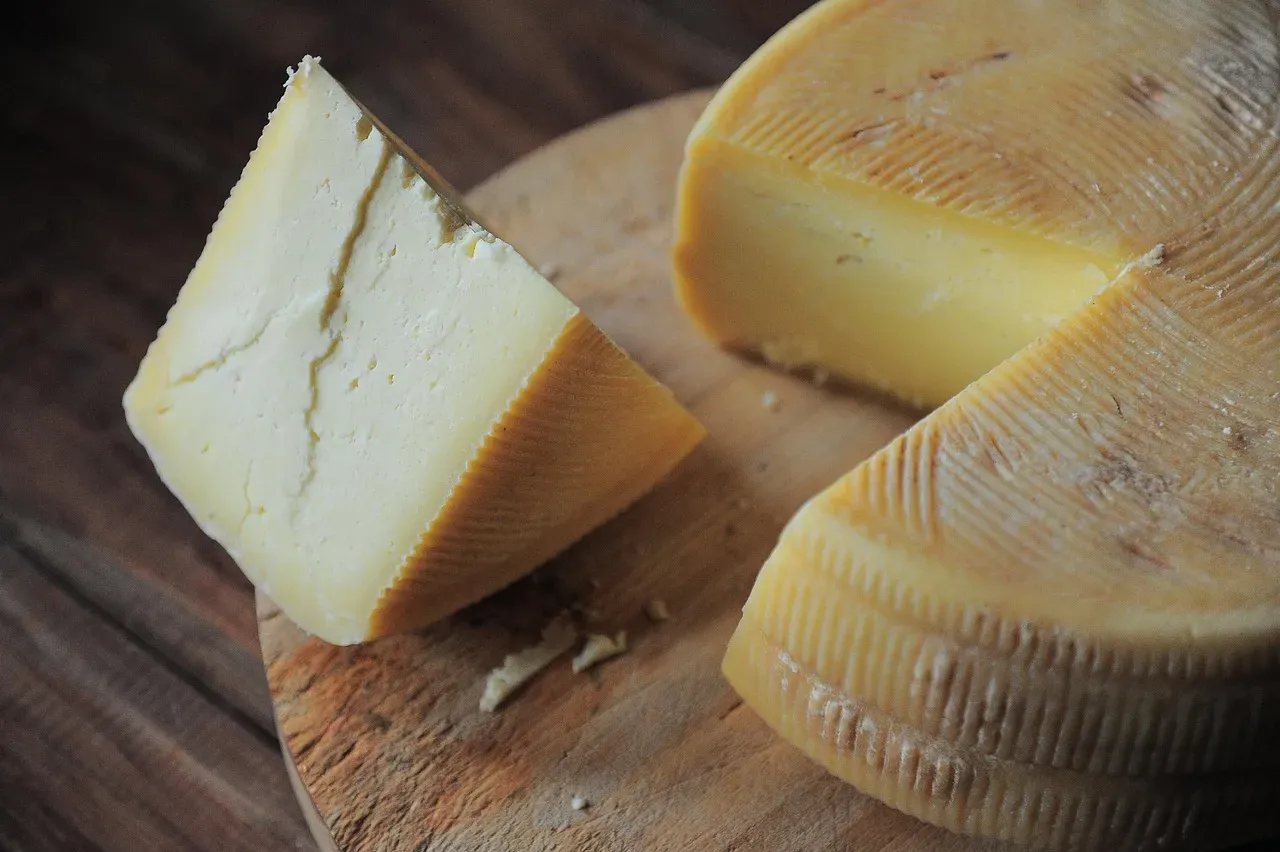
Here's something I noticed years ago: the people who get most excited in my kitchen are consistently drawn to anything fermented. Kimchi, miso, sourdough, kefir - their eyes light up. As the dining scene becomes increasingly health-focused, fermented foods are staking their claim on the table. Not only do they provide probiotics that are crucial for gut health, but they also bring complex flavors that satisfy the palate without the need for excessive salt or fat. Chefs and diners alike are embracing fermented foods for their ability to balance indulgence with well-being.
Probiotic and fermented foods are still on the rise, especially in dairy products. Consumer interest in maintaining gut health has persisted, and probiotics are now a staple in products aimed at supporting immunity. This trend shows no sign of slowing down, with fermented foods gaining prominence across categories. Serious food lovers were ahead of this curve long before it became mainstream. It's not trend-chasing for them. It's just good taste - literally.
4. They're Obsessed With Texture, Not Just Flavor
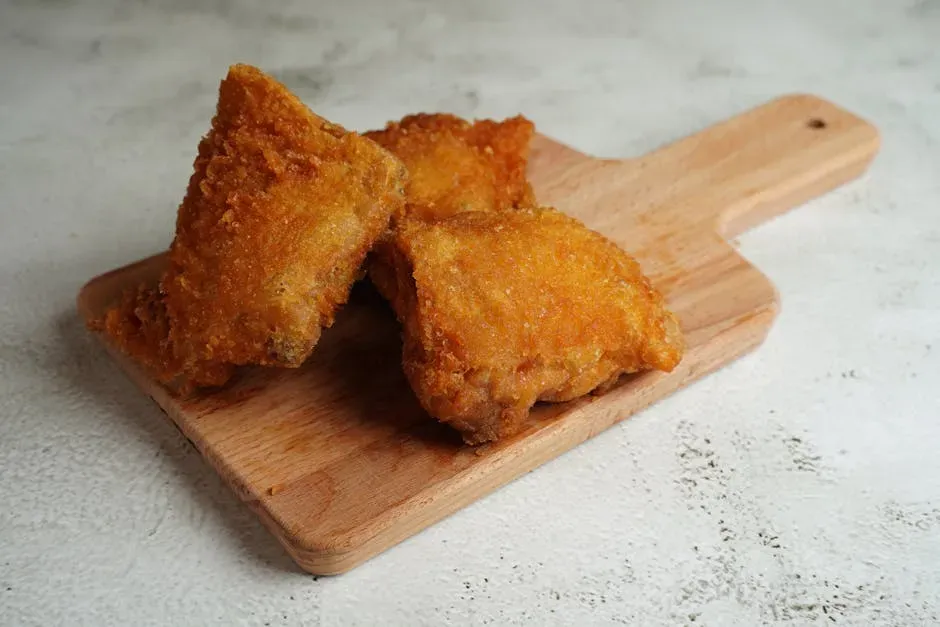
Let me be real: most casual diners barely notice texture. Serious food lovers notice it immediately. They'll mention the crispness of a skin, the silkiness of a cream, the resistance of a properly cooked piece of pasta. It's almost like a second language they've developed. Minimalism is trending in haute cuisine, and some of the most in-demand chefs are focusing on the purity of a few top-notch ingredients, enhancing natural flavors with just a touch of salt, oil, or spices. When you strip things back like that, texture becomes the conversation.
I think of it like music. A casual listener hears the melody. A serious one hears the individual instruments. A committed food lover tastes all the "instruments" in a dish simultaneously - fat, acid, crunch, creaminess, warmth. Charring, smoking, roasting, and ultra-caramelizing are becoming essential techniques for emphasizing the natural characteristics of ingredients, with chefs using fire to create bold, smoky flavors that add depth and intrigue to dishes. My most devoted clients always notice when I've added a char or a smokiness, even when it's subtle.
5. They Embrace Global Flavors Without Hesitation
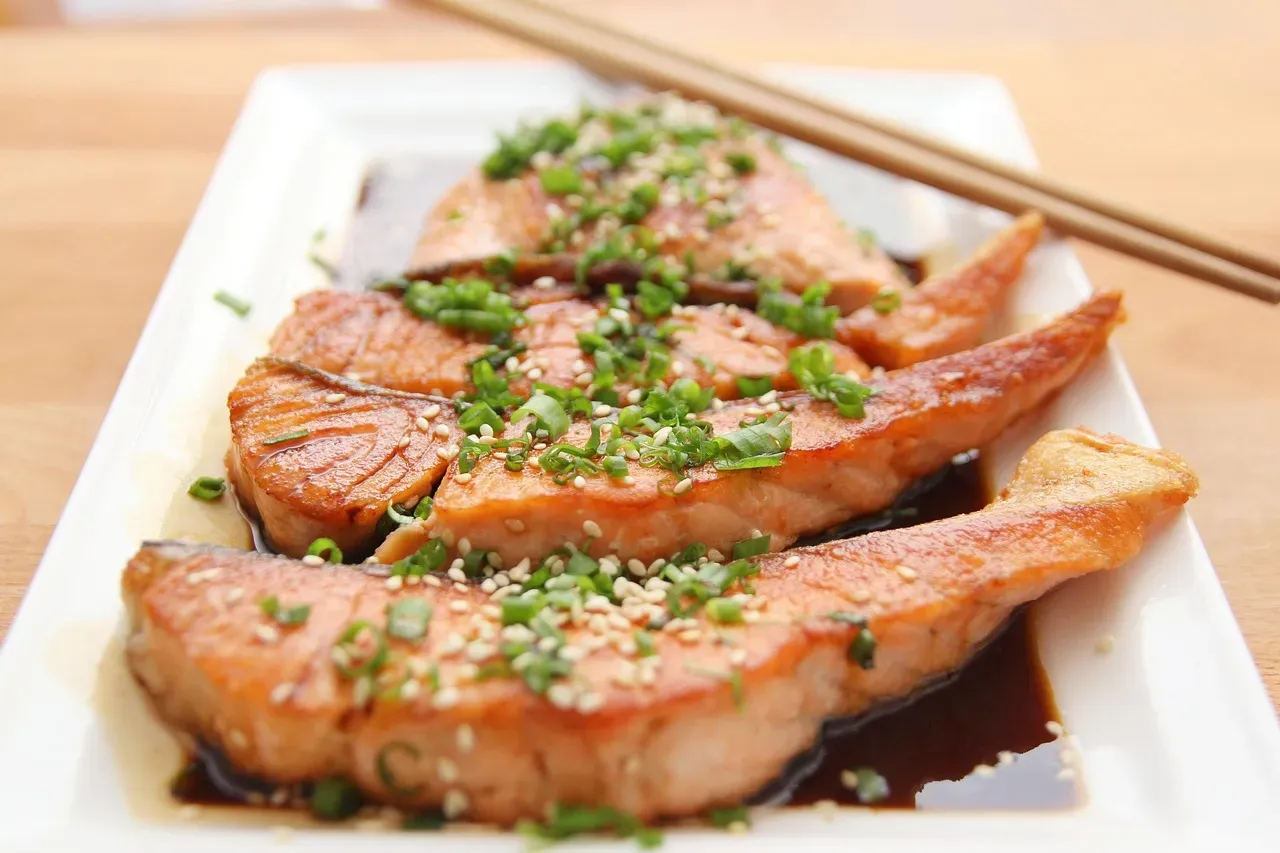
Real food lovers have no culinary borders. They'll eat Yunnanese fermented sour dishes one night and a West African makhani-style sauce the next. As food enthusiasts hunger for new and exciting tastes, the culinary world is responding with a bold mix of flavors and traditions. Global flavor fusion is not just a trend - it's a gastronomic revelation that's bringing the corners of the world into our kitchens and onto our plates. By incorporating trending global ingredients into local cuisine, chefs and home cooks alike are transcending borders and creating a new language of taste.
Mentions of boudin balls (a sausage-based Cajun snack) shot up by 130% in Google searches in the United States for the yearlong period ending in September 2024 and are up by 780% on TikTok. For the same time periods, Google searches for the Middle Eastern dessert knafeh have increased by 94% and TikTok references have surged by 977%. Serious food lovers aren't just scrolling past these viral dishes. They're the ones actually seeking them out in authentic forms, asking me to source the right ingredients and prepare them properly.
6. They Read the Room - and the Plate - Before Eating
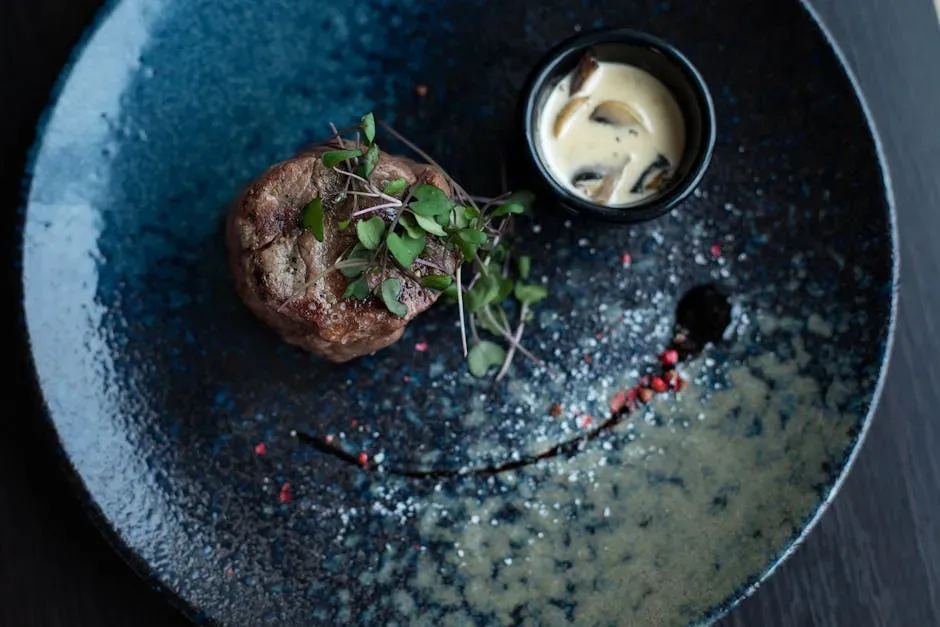
A real food lover never digs in immediately. There's a visual assessment first. They look at the plating, the colors, the natural geometry of a dish. This isn't vanity - it's a full sensory engagement before a single fork is lifted. While flavor and visual appeal have long dominated the food industry, aroma is emerging as a critical factor in consumer decision-making. Scientists estimate that smell accounts for 70-90% of flavor, and over 61% of consumers now rank aroma as one of the most important factors when choosing what to eat or drink.
I've had clients hold a bowl of soup close just to smell it for a few seconds before tasting. It sounds eccentric, but it's not. It's scientifically sound behavior. Aroma primes the palate in a way that serious eaters instinctively understand. Chefs are also focusing on the art of presentation, transforming dishes into visually stunning masterpieces. From intricate plating to playful garnishes, presentation has become a canvas for culinary creativity. As diners savor these delightful creations, they are not only enjoying a taste sensation but also experiencing the dish as an art form.
7. They Treat Functional Foods as Everyday Staples, Not Trends
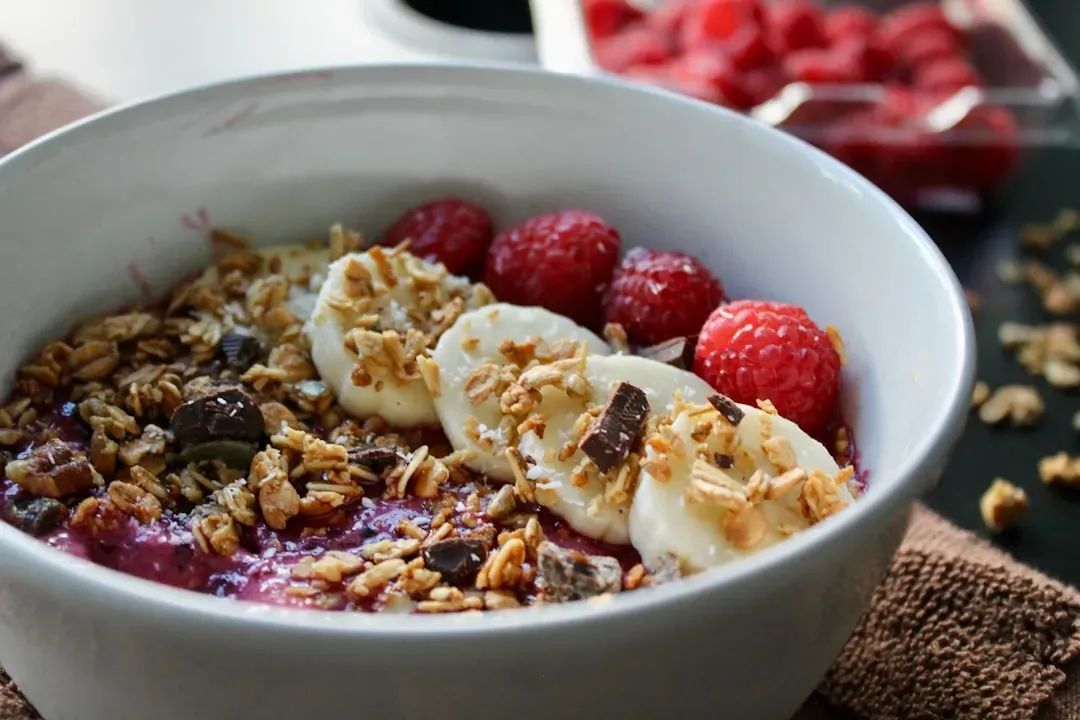
Ask a casual eater about adaptogens and they'll probably shrug. Ask a serious food lover and they'll have opinions. Strong ones. The incorporation of functional foods and superfoods into everyday eating is perhaps one of the most significant shifts observed. These powerhouse ingredients are not just passing fads; they bring tangible health benefits that are quickly turning them into staple elements of modern diets. Dishes rich in antioxidants, beneficial fats, and lean proteins are becoming standard offerings, reflecting a broad shift towards conscientious consumption.
Consumers are increasingly drawn to functional foods that address specific health concerns, such as gut health, immune support, and cognitive benefits. Products incorporating ingredients like prebiotics, probiotics, and bioactive compounds are flourishing, reflecting the consumer demand for foods that offer both wellness and indulgence. The serious food lovers I cook for don't treat this as restriction. They treat it as sophistication - the idea that food can be beautiful, delicious, and healing all at once.
8. They Prioritize Quality Over Quantity, Every Single Time
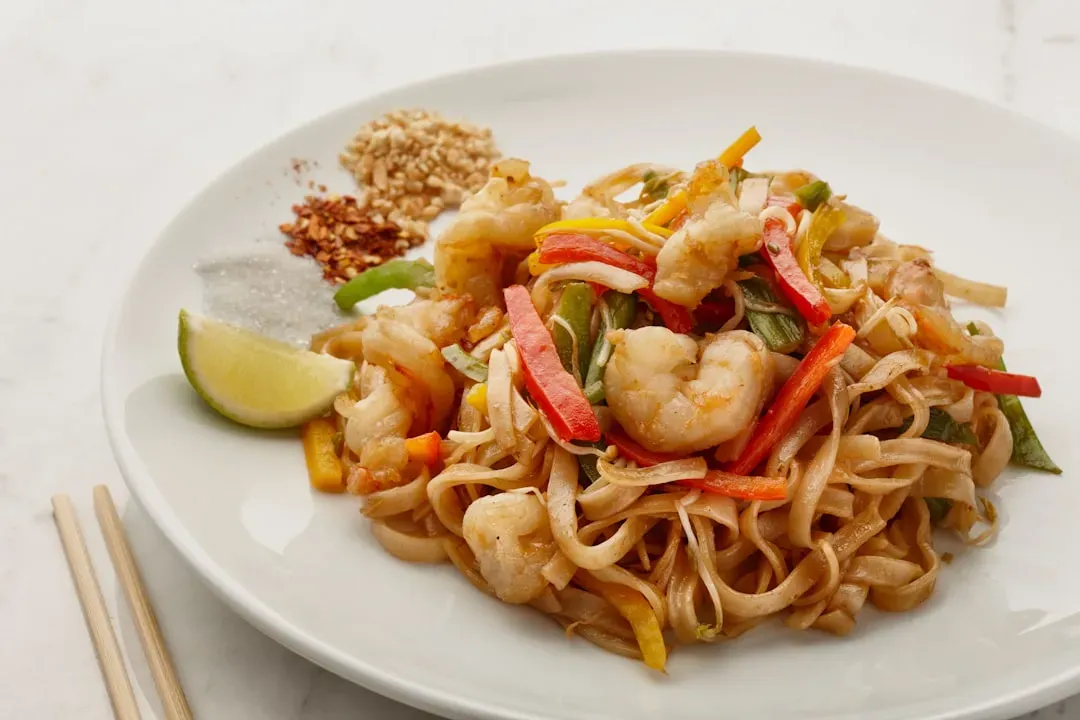
It sounds simple. It's actually rare. Most people, when given abundance, lean into abundance. Serious food lovers order or request less - but insist on better. Some of the most in-demand chefs are focusing on the purity of a few top-notch ingredients, enhancing natural flavors with just a touch of salt, oil, or spices. Look out for dishes with exotic but approachable ingredients, like yuzu, truffle oil, and wild garlic. Each bite offers a powerful, unadulterated taste of nature.
In recent years, the focus has been firmly on quality over quantity, with chefs exploring the world of artisanal ingredients, from heirloom grains to handcrafted cheeses. These exceptional ingredients add depth and character to dishes, elevating the dining experience to new heights. I've cooked four-course meals for people who could have asked for ten, and they were the happiest at the table. Less is genuinely more for this crowd. Think of it like buying one extraordinary piece of art rather than filling a wall with prints.
9. They Have a Deep Emotional Connection to Food
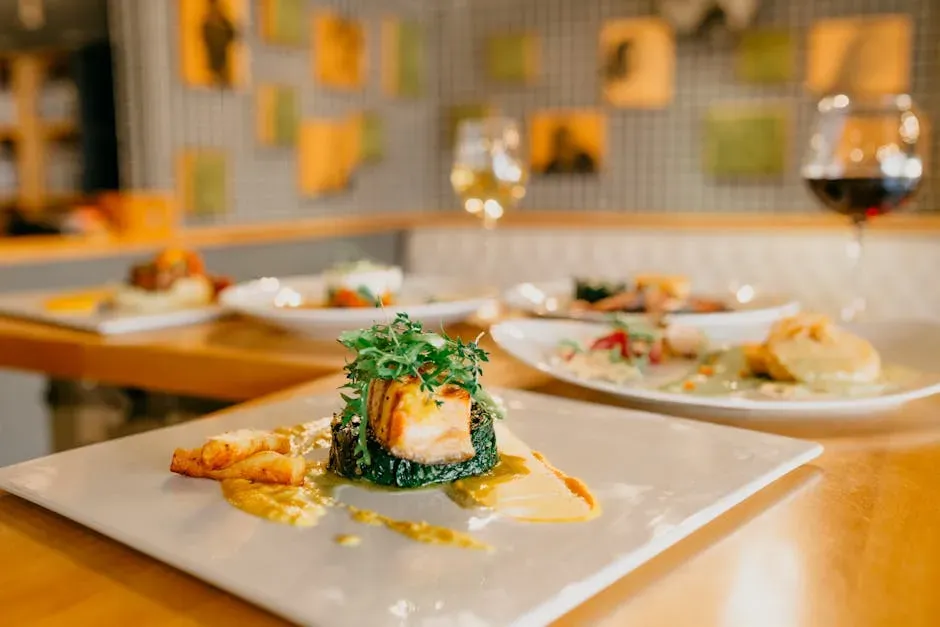
Here's something I know it sounds a little dramatic to say, but: serious food lovers feel food. Not just taste it. Of 10,000 food-decision makers surveyed, roughly half agree that food is a "part of their identity," and nearly two thirds agree that "their upbringing influences what they eat." That's not just a statistic to me - it explains why my most passionate clients will tear up slightly when a dish reminds them of their grandmother's kitchen.
Over three in four of Gen Z believe that the food and beverages they consume has an impact on their overall mental and emotional well-being. This emotional awareness isn't generational though - it spans ages. Serious food lovers of all backgrounds understand intuitively that eating is never just biological. It's memory, identity, belonging. The pursuit of holistic well-being influences consumer attitudes toward food and beverage choices, leading to a greater emphasis on intentional consumption and balance. In 2024 and 2025, we saw a shift towards whole, minimally processed foods and an increased focus on mental health and emotional well-being.
10. They Are Genuinely Curious About the Chef's Decisions
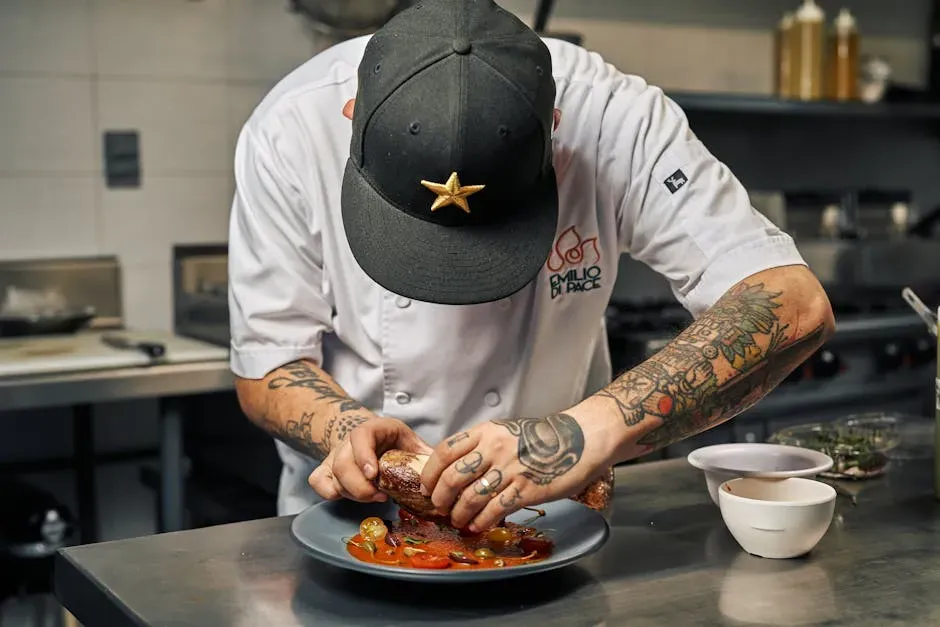
This one catches new chefs off guard. Serious food lovers don't just accept what's on the plate - they want to understand it. Why this pairing? Why this technique? Why this temperature? It's curiosity, not criticism. Telling the story behind the dish is just as important as the taste. Whatever might be happening in the culinary world is happening at your table too, even if the chef who cooked your meal claims not to care.
Hiring a private chef can elevate food experiences to another level. With personalized menus, expert technique, and world-class service, private chefs bring luxury and authenticity right to the doorstep. They listen to your preferences, explore your taste profile, and curate a dining experience tailored to you. My most rewarding clients aren't the ones who say "wow, great meal." They're the ones who ask about my sourcing decisions before dessert and genuinely want to understand the thinking behind every component.
11. They're Increasingly Passionate About Sustainability and Waste
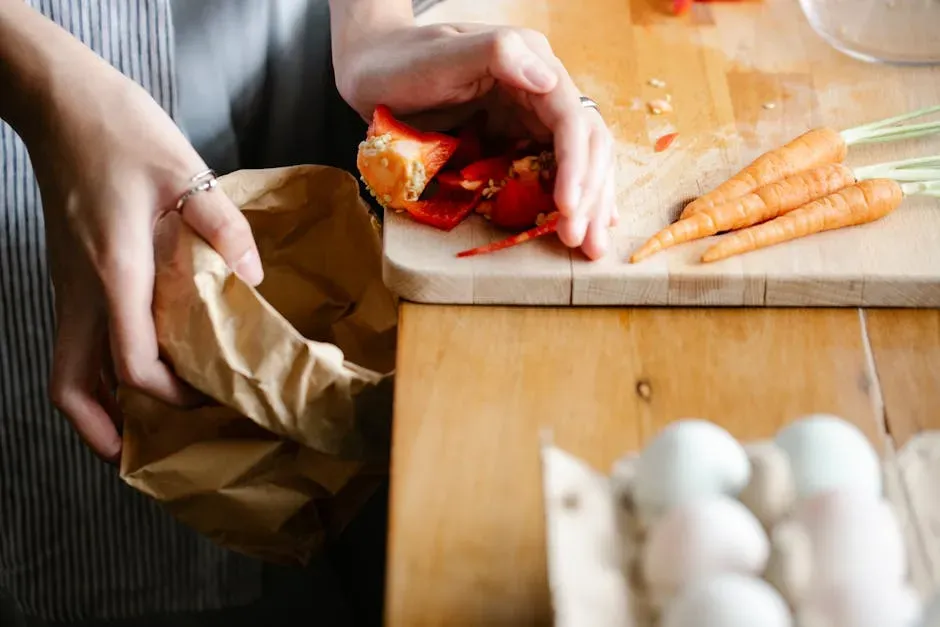
I think this is the clearest sign of a truly evolved food lover: they don't just care what ends up on the plate. They care what doesn't end up in the bin. Sustainability has moved from a buzzword to a movement, with restaurants embracing zero-waste principles. Imagine a carrot top pesto or leftover bread crusts transformed into a savory pudding. Food scraps are getting a delicious makeover, proving that nothing should go to waste.
Sustainability takes center stage in modern kitchens, with chefs embracing zero-waste cooking techniques. Root-to-stem and nose-to-tail approaches are gaining popularity, minimizing food waste and celebrating the use of every part of an ingredient. My most engaged clients are the ones who ask what I plan to do with the vegetable trim or the fish bones. Nearly half of restaurant-goers ages 20-29 are willing to spend extra for organic or sustainably sourced dishes, and the serious food lovers I encounter across all age groups share exactly that same commitment - no matter their generation.
If there's one thing I've taken away from years of cooking privately for real food lovers, it's this: eating well is a practice, not a performance. The people I described above didn't learn these habits overnight. They built them slowly, the way a good stock is made - with patience, intention, and a lot of tasting along the way.
What do you think - do you recognize yourself in any of these? Tell us in the comments.


Leave a Reply