
There's a quiet rebellion happening at restaurant tables across America. Diners are tired. Tired of overpaying, tired of dishes that promise more than they deliver, and honestly, tired of being made to feel grateful for a glorified chunk of iceberg lettuce that costs fourteen dollars. Eating out has always been a small luxury, but right now the math just isn't adding up for a lot of people.
According to the U.S. Consumer Price Index, "food away from home" rose about 6 percent from January 2024 to September 2025, driven by rising labor, rent, and ingredient costs. According to the National Restaurant Association, average menu prices have risen 31 percent since February 2020. With numbers like that, it's no wonder diners have started making mental notes about exactly what is and isn't worth their money anymore. So here's that list.
1. The Wedge Salad: Pay $14 to Cut Your Own Lettuce
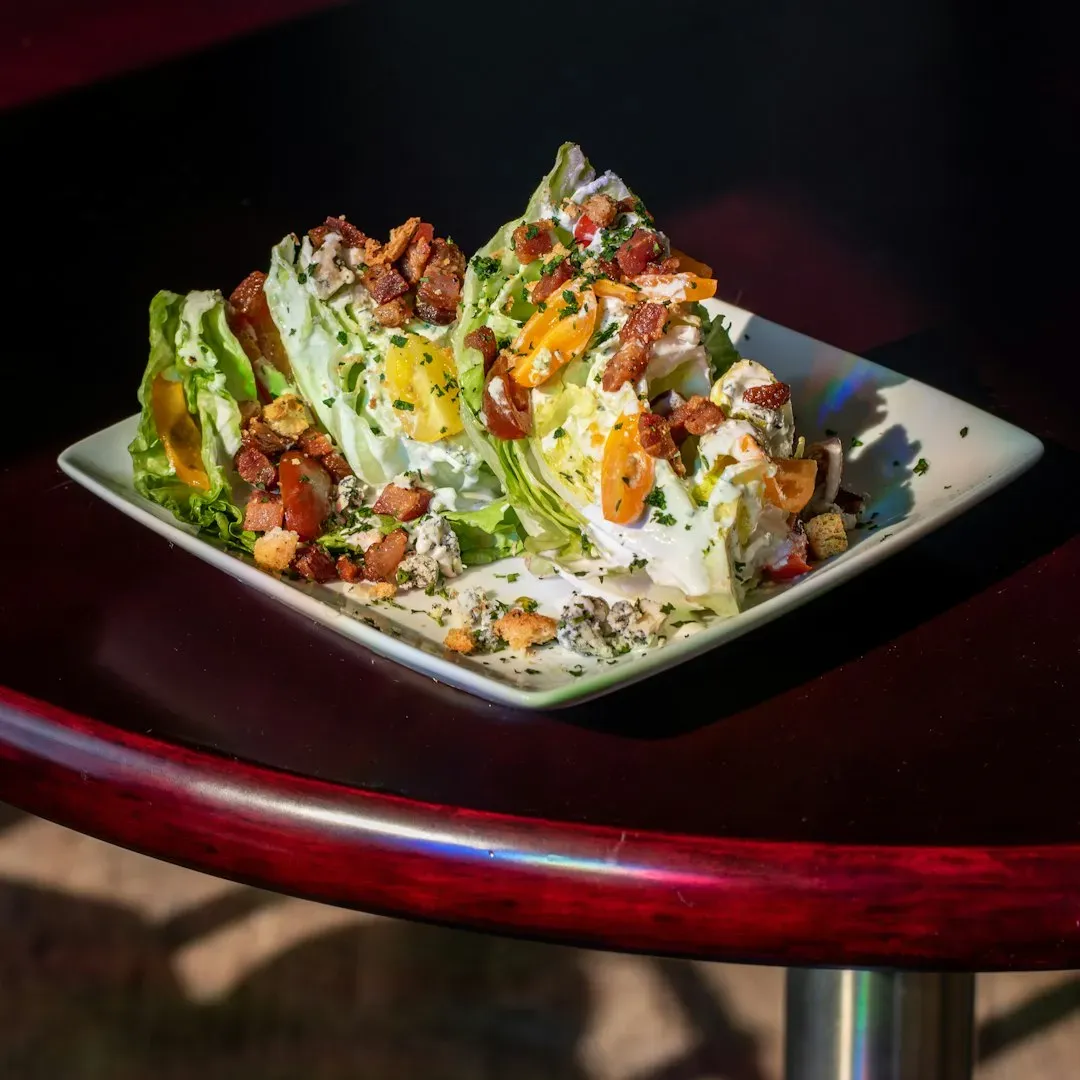
Let's be real - the wedge salad might be the most audacious item on any restaurant menu. The iceberg wedge salad might be the greatest restaurant magic trick ever performed. They literally serve you a quarter of a head of lettuce, the cheapest, least nutritious lettuce variety, drizzle some dressing on top, and charge fourteen dollars. The math is almost insulting.
The preparation involves cutting a head of lettuce, costing about eighty cents, into quarters and adding perhaps fifty cents worth of blue cheese dressing and bacon bits. Total ingredient cost is under two dollars. The markup exceeds seven hundred percent for what amounts to the laziest salad preparation possible.
Some restaurants offer a wedge salad for $10 or $12, but if you dine at ritzier establishments the cost could be closer to $30. The reality is that very little effort goes into making this salad. The situation becomes even worse when the kitchen takes noticeable shortcuts - the lettuce could be wilted or the dressing store-bought. It makes sense to pay for food that has been crafted with intention, but this is one of those dishes that really isn't worth it.
Diners in 2025 and 2026 are increasingly unwilling to pay steakhouse prices for something that requires zero cooking skill. Honestly, I think deep down most people already know this.
2. The Plant-Based Burger: The Trend That Ran Out of Runway
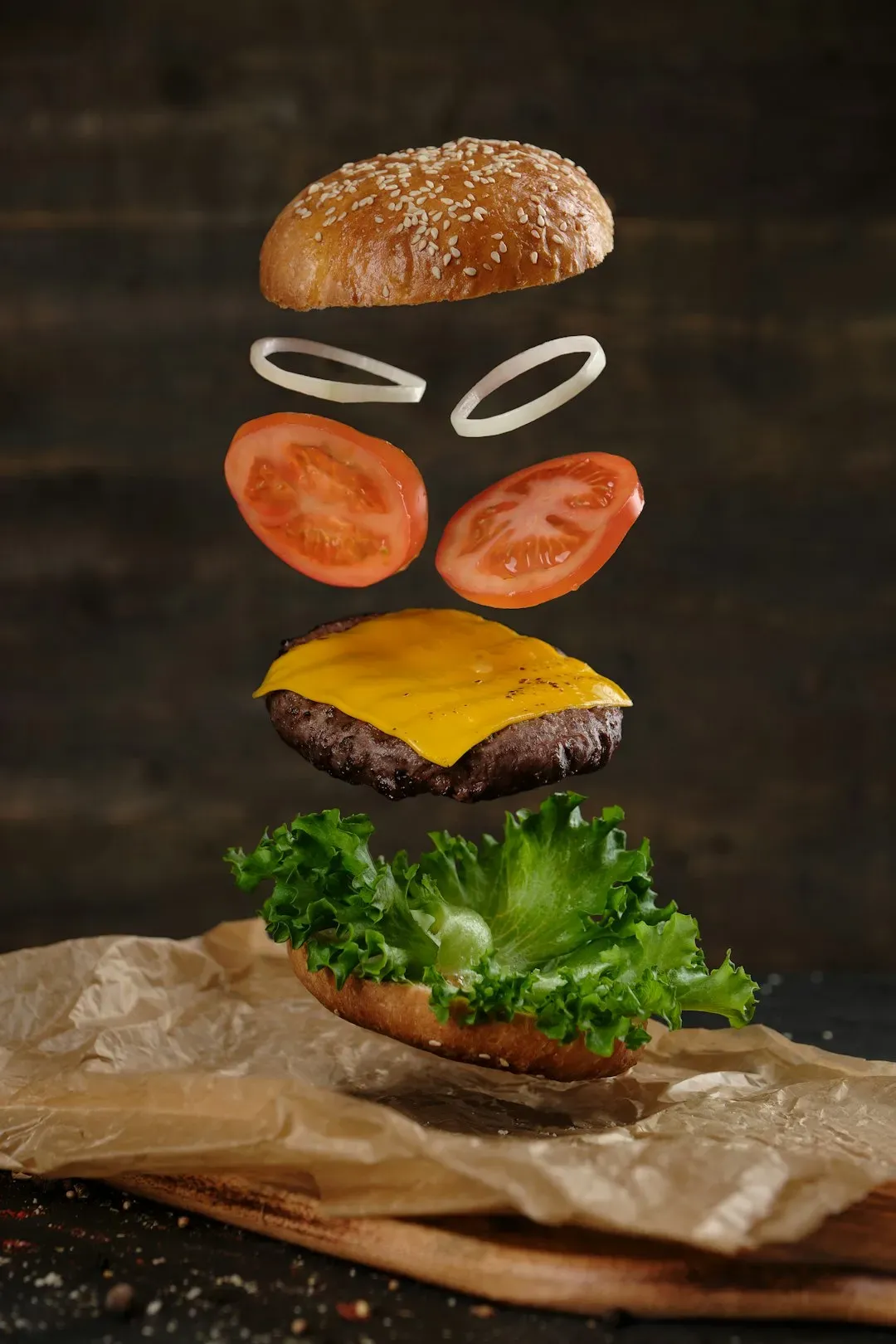
A few years ago, the plant-based burger felt like the undeniable future of food. Every fast-casual menu had one. Every food publication was breathless about it. Then the numbers came in. According to SPINS data analyzed by the Good Food Institute, U.S. retail sales of most plant-based categories were down in 2024 against a backdrop of rising sales for conventional meat. Sales of plant-based meat and seafood specifically dropped 7 percent to $1.2 billion in 2024, with unit sales falling an even steeper 11 percent. The decline wasn't a blip.
Sales of refrigerated plant-based burgers, which were driving significant growth in the category a few years ago, continued their steep decline, dropping about a quarter year over year. Chefs who once championed these dishes are now rethinking their menu space. The plant-based burger isn't dead, but its dominance as a restaurant centerpiece clearly is.
Here's the thing - taste was always the hill this trend couldn't fully climb. A patty that costs significantly more than a beef burger, yet delivers a texture and flavor experience that many diners find underwhelming, is a hard sell when budgets are tighter. Nearly half of U.S. restaurants now offer plant-based options, but fewer and fewer diners are actually clicking that option on the menu.
3. Everything "Truffle": When a Flavor Becomes a Running Joke
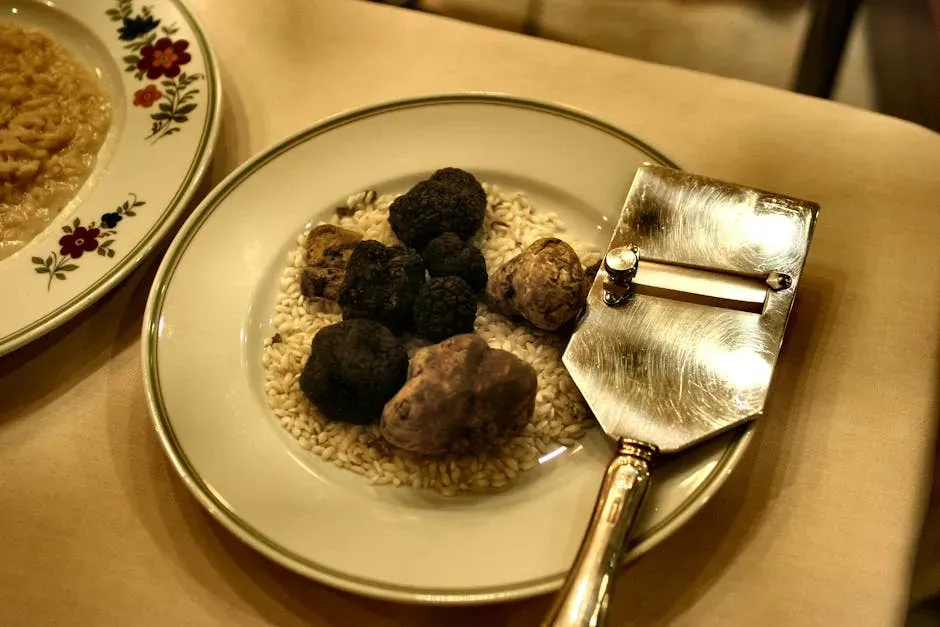
Truffle fries, truffle risotto, truffle aioli, truffle butter, truffle everything. It is hard to say exactly when it happened, but at some point the word "truffle" on a menu stopped signaling luxury and started triggering eye-rolls. Chef Sarabjit Singh Assi of Sanjh Restaurant and Bar warned that "the obsession with truffle mushrooms, especially when synthetic truffle oil is being used, overpowers dishes, lacks nuance and often masks what could have been great ingredients."
The dirty secret is that most restaurants aren't using real truffle at all. Truffle oil is nearly always synthetic, made with a lab-created compound called 2,4-dithiapentane. It's the food equivalent of spraying cologne on a paper rose. When chefs themselves are calling a signature menu move overrated, diners tend to agree and stop ordering it.
You're essentially paying a premium for an artificial flavoring agent dressed up in luxury language. The markup is real. The truffle, in most cases, is not. Consumers are demanding value in return for the hard-earned money they spend at restaurants. According to Technomic's 2025 annual outlook, roughly seven in ten consumers wish more restaurants would offer value meals. Truffle fries at a twelve dollar upcharge don't qualify.
4. Avocado Toast: Beloved, Exhausted, and Overdue for Retirement
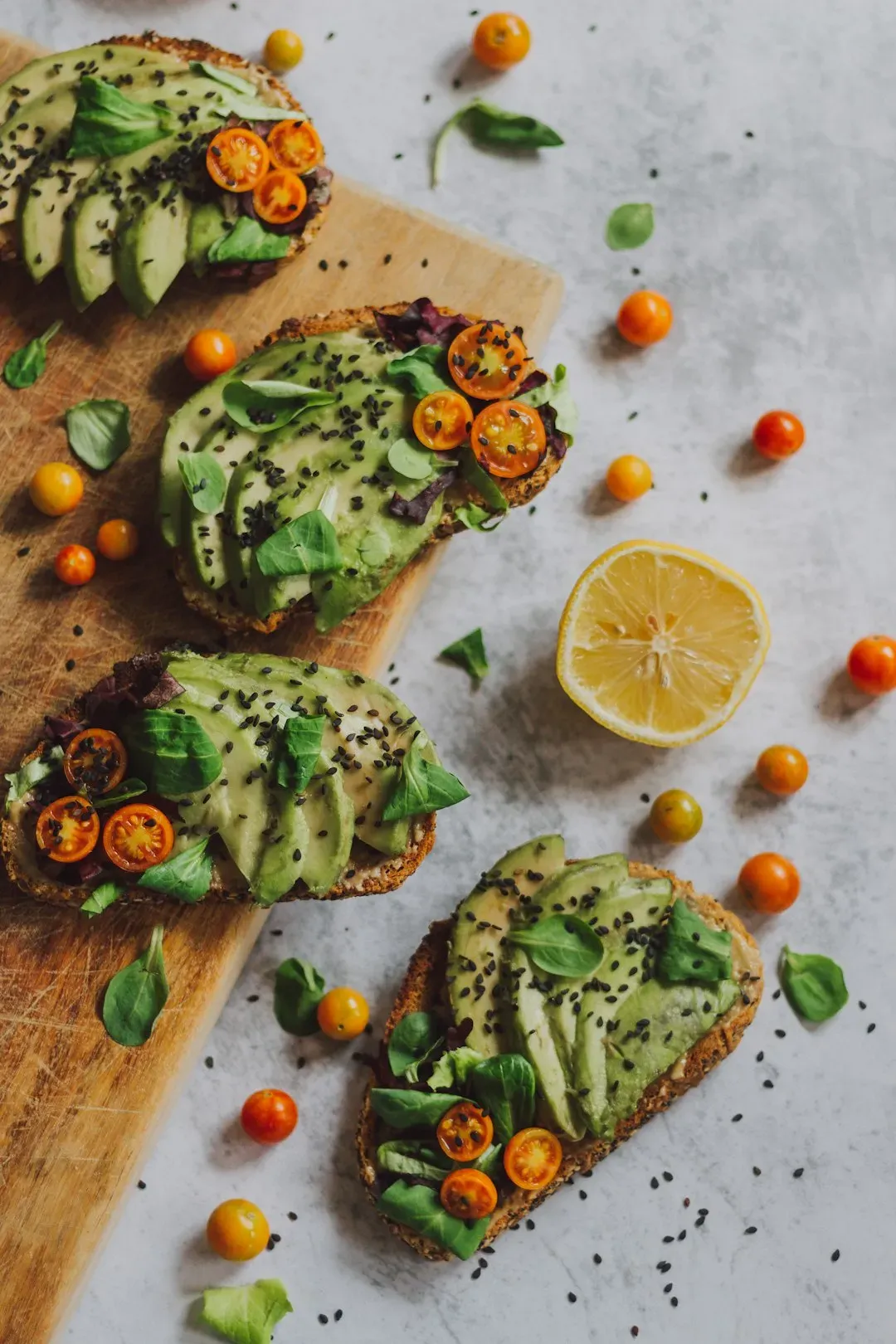
Few dishes have had such a dramatic arc. Avocado toast had one of the most remarkable runs in modern food culture. It went from health-café curiosity to restaurant staple to cultural punchline in under a decade. Now, even chefs are questioning its staying power.
The economics are equally baffling. Two pieces of toasted bread, half an avocado, maybe a sprinkle of chili flakes and a poached egg: this is something you can assemble at home in under five minutes for roughly two dollars. Restaurants regularly charge sixteen to twenty-two dollars for the privilege. Inflation has made that gap even harder to justify.
In Menu Matters' survey of consumers, the overriding need for 2025 was simply "just give me something new." Nostalgia and comfort are so 2024; roughly four in ten consumers are hopeful and more optimistic going into this year, and they are looking for more newness on menus. Avocado toast is simply no longer new. It's the poster child of menu fatigue, and both chefs and diners seem ready to move on.
5. The Multi-Course Tasting Menu: A Three-Hour Commitment Many Can No Longer Justify
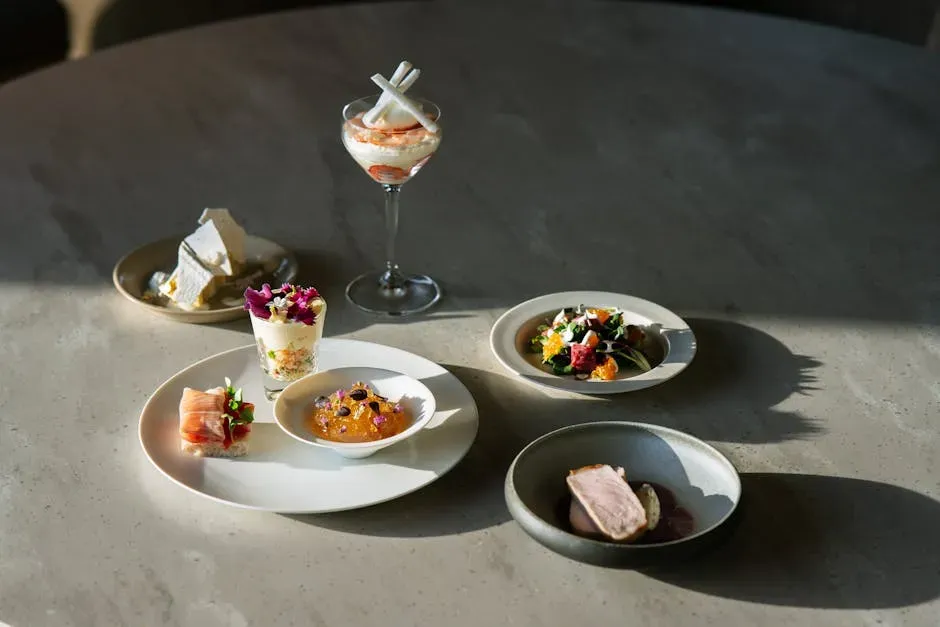
There was a time when the tasting menu was the ultimate expression of culinary ambition. A parade of tiny, perfect plates. A narrative on a dish. Now? Tasting menus traditionally require three-hour commitments, but modern diners want chef-driven experiences in one-hour windows, with abbreviated formats catering to customers with time-conscious schedules or a simple preference for efficient dining.
Inflation has reshaped consumer dining habits broadly, with guests still wanting to eat out but in more rational, budget-conscious ways. A sixteen-course dinner costing several hundred dollars per person is a harder sell when grocery bills feel punishing.
On Eater's Best New Restaurant list this year, only two of the fifteen restaurants solely offer a tasting menu. Three out of twenty listed by Bon Appétit are tasting-menu restaurants. If a chef were trying to guarantee recognition in 2026, a tasting menu doesn't exactly seem like a slam dunk. The format isn't gone, but its unchallenged dominance over serious dining culture is clearly over.
6. The Restaurant Omelet: A Home-Cook's Dish With a Restaurant-Sized Markup
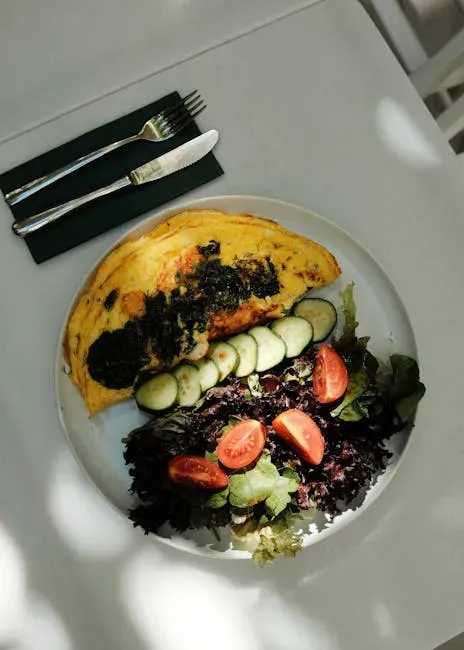
Think about what an omelet actually is for a moment. Eggs. Cheese. A handful of vegetables. Something most people make on autopilot every Tuesday morning. Markups for omelets can be as high as nearly six times the ingredient cost, making that breakfast out at a restaurant a painfully pricey choice. That number is genuinely shocking when you sit with it.
In 2024, the vast majority of quick-service restaurants raised prices to keep up with rising costs. For a dish as elementary as an omelet, those cumulative increases have pushed the price-to-value equation past the point many diners are willing to accept.
There's a useful analogy here: paying restaurant prices for an omelet is a bit like paying a tailor to button your shirt. The skill exists, sure. It's just not where the skill is really being used. According to a 2024 TouchBistro report, roughly half of Americans say that menu price hikes impact their ordering decisions at a restaurant. The humble omelet has quietly become one of the clearest examples of that frustration in action.
7. Soup of the Day: Mystery in a Bowl
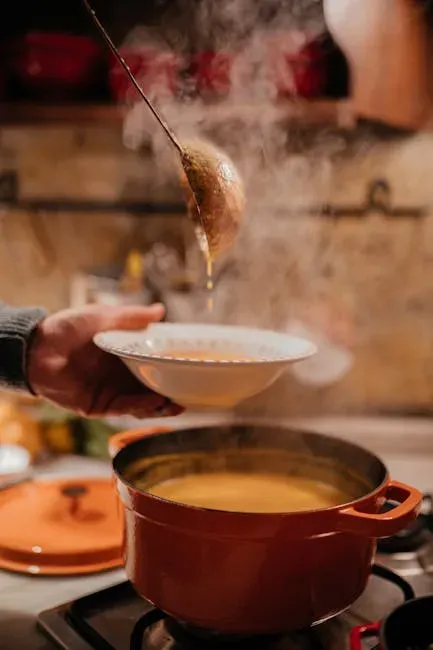
There is something fundamentally suspicious about a dish the kitchen won't even name on the menu. "Soup of the day" sounds charming. Rustic, even. Unfortunately, the term "soup of the day" can be misleading and some might even say laughable, because many diners often make enormous batches that sit around for extended periods.
Think about it at restaurant scale. A giant pot gets made at the start of the week and reappears on the table daily until every last drop is gone. It's not necessarily unsafe, but it's not exactly what "fresh daily" implies either. That kind of financial pressure has made diners sharper, more skeptical, and honestly, a little less forgiving.
The value question is real too. Soup of the day is often priced between eight and twelve dollars for what might be a cup or a small bowl. Spending growth in both full-service and limited-service restaurants has declined at roughly twice the rate of transaction growth in the last two years. This indicates that diners are still showing up to restaurants, but when they do, they're trading down. Mysterious repurposed soup is one of the first things to get traded away.
8. The Overloaded Kale Salad: A Once-Trendy Staple Now Signaling Menu Fatigue
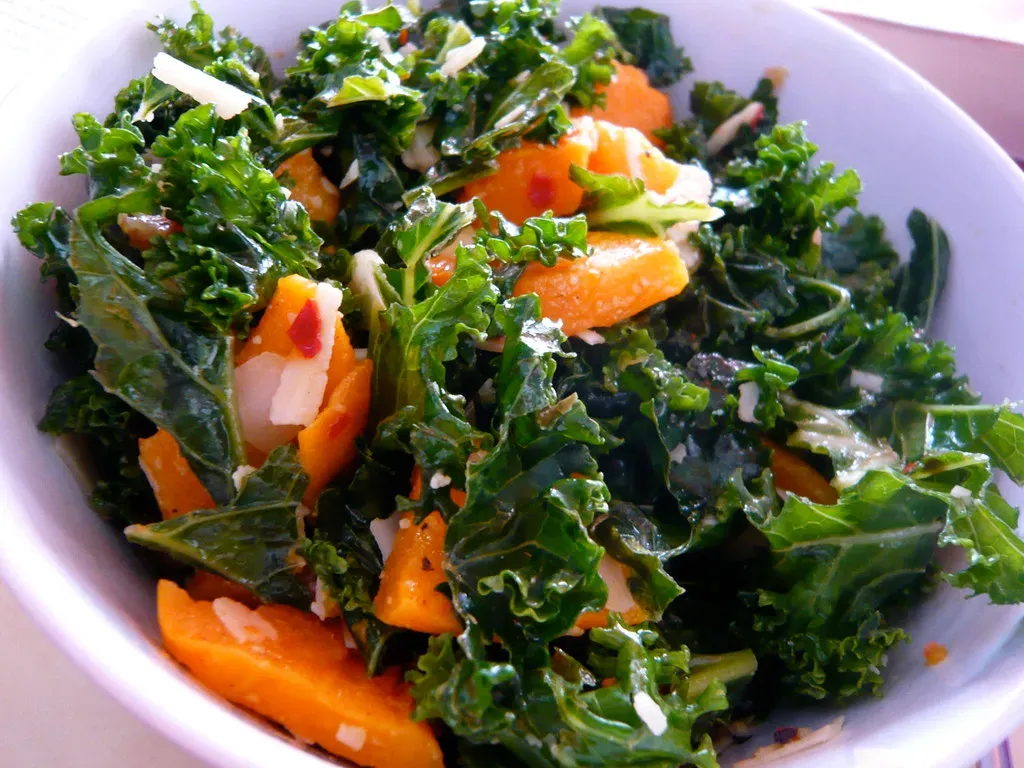
Kale had its moment. Honestly, it had about seven years of moments. For years, kale was the poster vegetable of the health-conscious restaurant movement. It showed up in salads, smoothies, sides, and grain bowls with relentless enthusiasm. Now it signals menu fatigue more than culinary creativity.
The issue isn't that kale is bad. It's that its restaurant incarnation almost always involves the same things: a mountain of raw leaves, some dried cranberries, a walnut or two, and a dressing so sweet it could pass for dessert. All of it priced like a labor-intensive dish, when in reality you're doing most of the chewing work yourself. While it's fine to adopt flavor and ingredient trends, don't offer the same foods everyone else is offering. Kale salads and hot honey, anyone? "Get away from the single ingredient or dish that's everywhere," industry consultant Mike Kostyo has noted.
The broader truth is that diners right now are hungry for genuine novelty. Diners are looking for menu items that are hard to make at home, as well as higher quality proteins and global ingredients they can't purchase in a grocery store. A kale salad with pepitas doesn't even come close to clearing that bar anymore.
Conclusion: The Real Cost of Eating Out Has Changed Everything
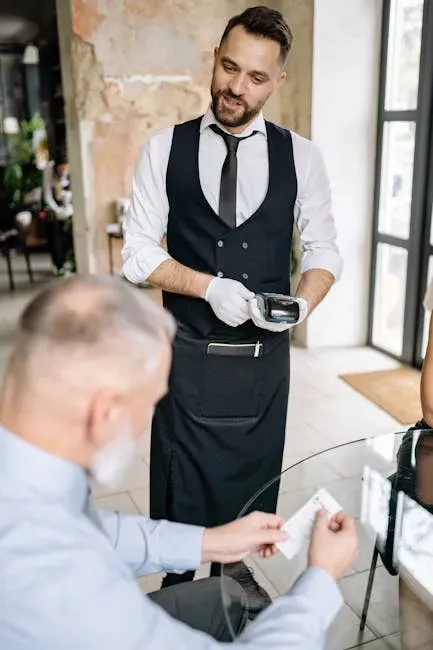
The common thread running through every single dish on this list is value. Not cheapness. Value. Diners want to feel like they got something they couldn't have made better themselves, or something that genuinely surprised them. People are redefining what feels worth it, and seeking value where they can. This may be why happy hour is back in a big way as diners seek more bang for their buck while gathering and savoring time together.
The restaurant industry is adapting, slowly but visibly. Overall, restaurant operating expenses are up about 30 percent since 2019, shrinking pre-tax margins even before menu prices are adjusted. That pressure cascades directly onto the customer's bill, and increasingly, customers are pushing back with the only tool they have: they just don't order those things anymore.
The dishes on this list didn't become unpopular because diners got picky. They became unpopular because diners got smart. There's a difference. Although food away from home now accounts for more than half of U.S. food and beverage spending, growth is plateauing as persistent inflation, tariffs, and economic uncertainty are forcing diners to rethink the value of every restaurant visit. Every single one.
Which of these dishes would you miss? Or are you already ordering around them without even realizing it? Tell us in the comments.


Leave a Reply