
Feeding yourself well in retirement feels like it should be simple. You're cooking for fewer people. You're not grabbing lunch at the office. You've got time to meal plan. So why does the grocery bill keep climbing? If you're 68 and feeling uneasy about what you're spending at the supermarket, you're not imagining things. The numbers are genuinely shifting, and understanding exactly what a "comfortable" budget looks like right now can make a real difference. Let's get into it.
What the Data Actually Says About Retiree Food Spending
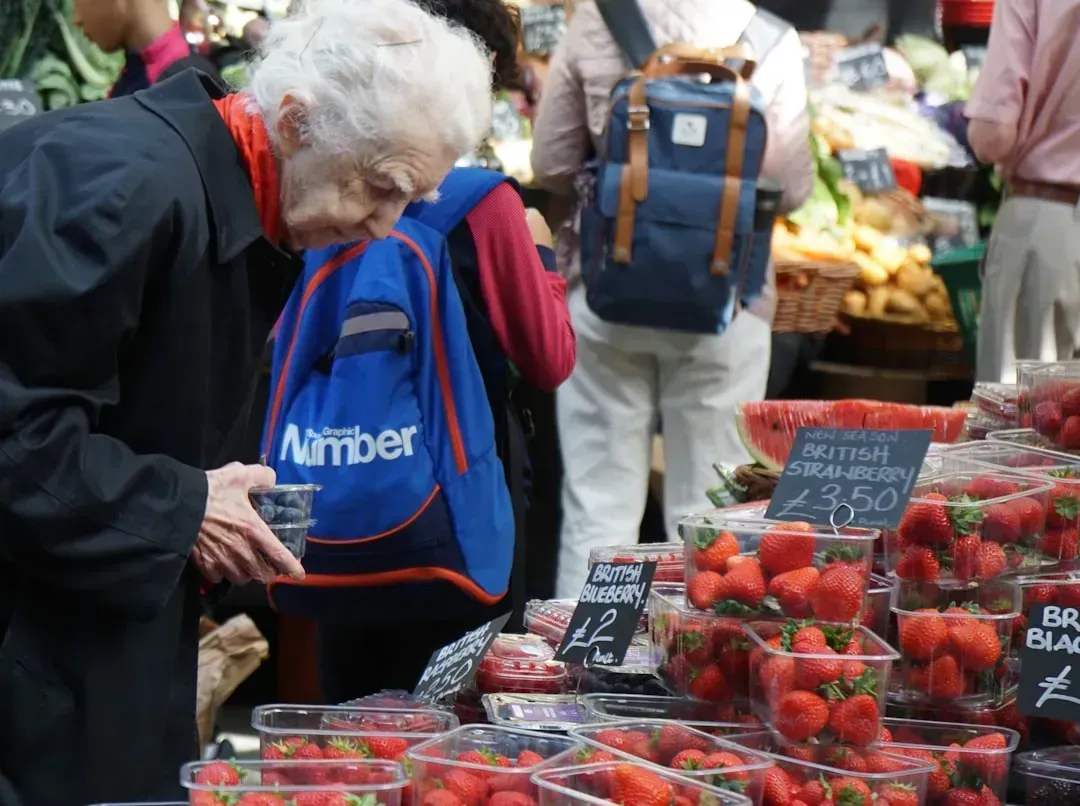
Let's be real - there's no single magic number that works for everyone. But there is solid data to work from. Retiree households spend an average of $7,940 annually on food, representing a year-over-year increase of roughly three percent. That breaks down to something just over $660 a month total, covering both groceries and the occasional meal out.
These expenditures break down to an average of $5,251 for food consumed at home and $2,689 for dining out. So the at-home grocery portion alone sits at a bit over $437 a month. That's the core number, the one worth anchoring yourself to.
Roughly three quarters of the average food budget for people ages 65 and older goes toward food at home, while on average, retirees report that around a quarter of their monthly spending goes toward food expenses. For a 68-year-old working with a modest retirement income, that proportion matters enormously.
The USDA Benchmark: What "Low-Cost" and "Comfortable" Really Mean

Here's where it gets genuinely useful. The U.S. Department of Agriculture publishes monthly food plans at different budget levels, and they are adjusted for inflation. Each month, the USDA publishes four Food Plans that provide an estimate for monthly and weekly grocery spending at different budget points, including a Thrifty Food Plan, Low-Cost Food Plan, Moderate-Cost Food Plan, and Liberal Food Plan, each adjusted monthly for inflation and based on the average cost of nutritious, home-prepared meals.
According to the USDA, in August 2025, the Low-Cost weekly food budget for older adults ages 51 to 70 was $67.00 for a man and $60.10 for a woman. That puts the monthly low-cost figure at roughly $260 to $290 per person, depending on gender. Think of this as the floor of a comfortable budget.
The USDA publishes four budget levels, ranging from roughly $247 to $566 per person per month. The moderate and liberal tiers represent what most people would genuinely consider a comfortable eating experience, one where you're not sacrificing nutrition or variety to make ends meet.
Food Prices Are Not Done Rising. Not Even Close.
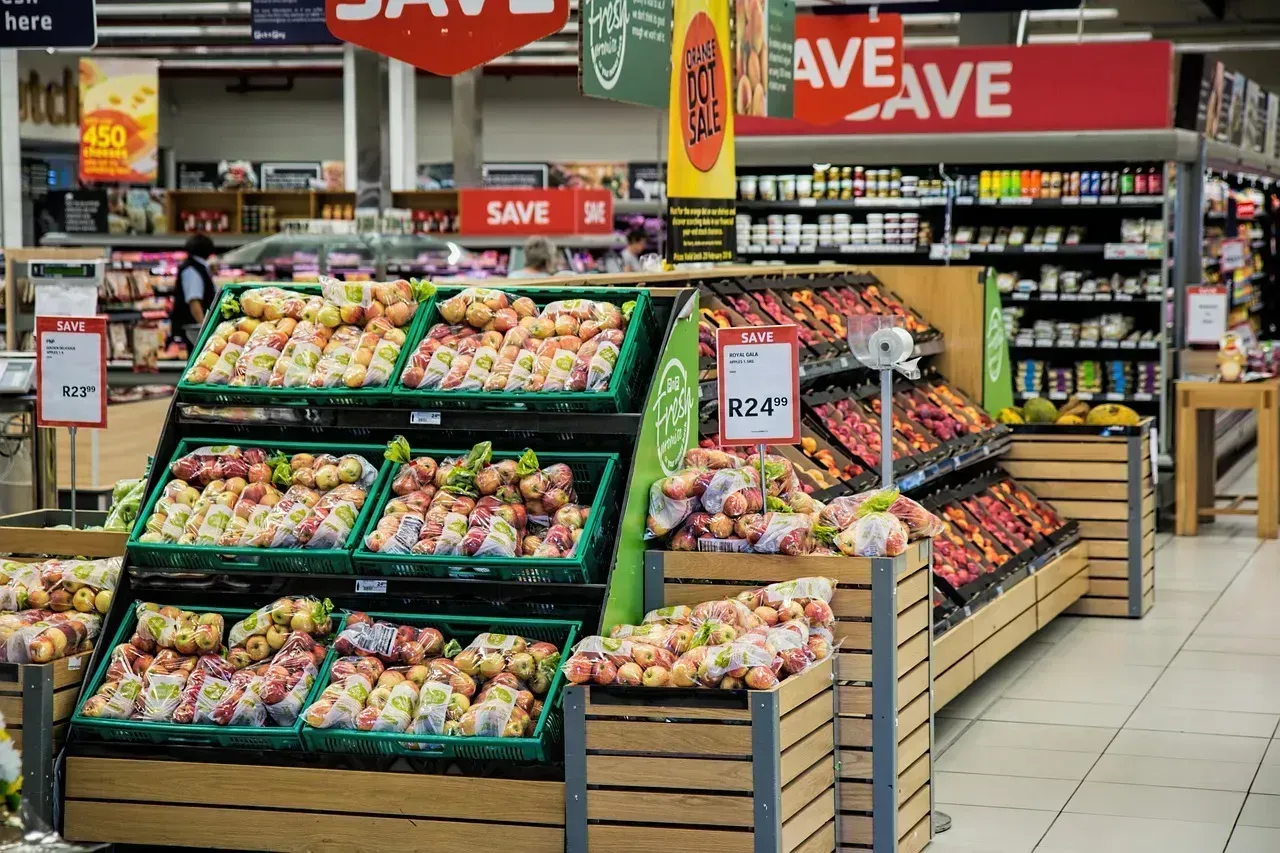
If your grocery bill at 68 feels heavier than it did five years ago, that feeling is entirely valid. The Federal Reserve Bank of St. Louis noted that food prices have jumped nearly 30 percent since 2019. That's not a small shift. That's a seismic one.
According to a GOBankingRates survey, nearly half of seniors aged 65 and over stated they were paying significantly more in groceries in 2025 compared to 2024. Only a tiny fraction said they were spending less. The direction of travel is clear, and it's not pointing toward relief.
Food prices in 2025 were predicted to rise about 3.4 percent and increase slightly faster than typical historical growth, according to the Consumer Price Index for Food. Staple items are leading the surge. The price of eggs hit a record high in 2025 due to a bird flu outbreak, with a dozen eggs averaged $6.47 in March 2025. That's not a rounding error. That's a gut punch at checkout.
Social Security Is Not Keeping Pace With What You're Spending

Many 68-year-olds rely heavily or entirely on Social Security to fund their retirement. The 2025 cost-of-living adjustment of 2.5 percent translated to an additional $49 for the average retiree, increasing the average monthly check from $1,927 to $1,976. That's roughly an extra trip to the grocery store, maybe.
Seniors report spending $50 to $100 more per month on groceries compared to just two years ago, meaning the entire COLA increase could effectively be swallowed by supermarket receipts. That's a stark image. The raise arrives, and it disappears before you've even put away your bags.
The 2026 Social Security COLA is just 2.8 percent, barely enough to make a dent in higher Medicare premiums and deductibles, according to NCOA's President and CEO. For a 68-year-old trying to stretch a fixed income across housing, health care, and food, that math is genuinely punishing.
How Much Is Considered "Comfortable" - A Realistic Range

Honestly, the word "comfortable" means different things to different people. Someone in rural Mississippi has a very different grocery reality than someone in coastal California. That said, the data gives us a reasonable range to work with. The average monthly grocery cost for one person ranges from $239 to $529, depending on dietary preferences and shopping habits.
For a single 68-year-old living alone, a genuinely comfortable grocery budget, one that allows for fresh produce, protein variety, and an occasional treat, sits somewhere between $350 and $500 per month in most U.S. markets right now. That aligns with the USDA's Moderate-Cost Food Plan tier for this age group. Costs may vary widely based on what region of the country you live in, where you shop for food, and whether you shop online or in person.
For a couple both aged around 68, the comfortable range roughly doubles, though economies of scale do provide some relief. For a couple, there's approximately a ten percent economy-of-scale discount compared to two single-person budgets, and under a thrifty plan, two adults should budget roughly $500 to $550 per month. A moderate-comfort budget for two would reasonably sit above $700 monthly.
Assistance Programs Many 68-Year-Olds Don't Know They Qualify For

This part surprises a lot of people. Many retirees assume that because they receive Social Security, they're not eligible for food assistance. That assumption is wrong, and it costs them real money. Seniors can qualify for SNAP if they meet the requirements, and many do, especially those struggling with rising food costs while living on fixed incomes from Social Security or retirement savings.
An estimated nine million older adults are currently eligible for SNAP but not enrolled, according to NCOA data. Nine million. That number is staggering. If you're 68 and feeling the squeeze, it is absolutely worth checking your eligibility before concluding that programs aren't available to you.
When available, the average SNAP benefit for a one-person senior household is $188 per month, about $6.16 per day, which can be used to purchase fruits, vegetables, meat, poultry, snack foods, and soft drinks. That's nearly $2,250 per year in grocery support. Additionally, the Kaiser Family Foundation found that in 2025, 65 percent of Medicare Advantage plans offer meal benefits.
Practical Strategies That Actually Move the Needle at 68
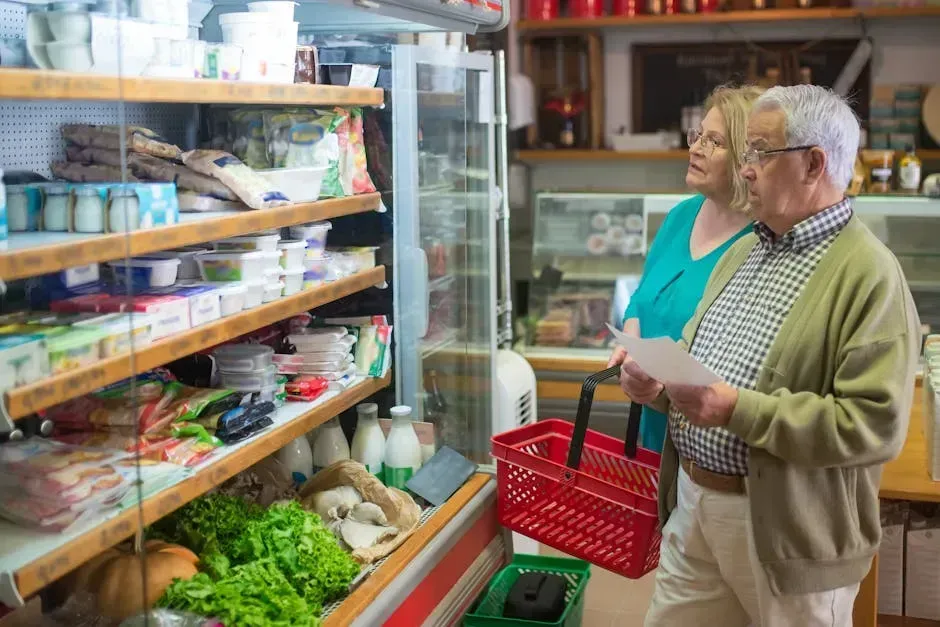
Knowing what a comfortable budget looks like is one thing. Actually staying within it is another. The good news is that there are real, proven strategies that go beyond generic advice about clipping coupons. Effective tactics include buying in bulk through memberships at stores like Costco or Sam's Club, switching from name brands to store brands, making and sticking to shopping lists in advance, and using credit cards or apps that offer strong cash-back rewards on grocery purchases.
Meal planning, in particular, delivers outsized savings. According to research from the University of Wisconsin-Whitewater, shopping and cooking according to a meal plan saves an average of $1,600 per year, while also adding variety to your menu and reducing food waste. That's not chump change. That's a meaningful annual saving for someone on a fixed income.
Buying in-season produce, if possible, generally costs less and tastes better during the growing season. For example, buying strawberries only in the spring and summer, and sticking to summertime for corn, can meaningfully reduce the weekly bill. It sounds almost too simple. But simple strategies, applied consistently, compound into real budget relief over twelve months.
---
At 68, your relationship with the grocery store is about far more than just food. It's about financial dignity, good health, and making retirement feel the way it was supposed to. The comfortable range, somewhere between $350 and $500 a month for a single person based on current USDA benchmarks and BLS data, is achievable for many, but increasingly difficult without a plan. Prices aren't coming down meaningfully anytime soon. The smarter move is knowing exactly where you stand, using every available tool, and refusing to accept that rising costs are simply something you have to absorb silently. What would you adjust first in your grocery routine if you knew exactly what a comfortable budget should look like?


Leave a Reply