
There is something almost irresistible about the word "free." A complimentary sauce, an extra drizzle of dressing, a bonus garnish thrown in with your meal - it feels like a small win. Most people accept it without a second thought. Yet that unchecked "free" ingredient landing on your plate can carry real health consequences, from hidden allergens to undisclosed additives and calorie loads that quietly stack up. The research is clear, the regulatory debate is loud, and ignoring what's actually in your food is a gamble that grows riskier every year.
The Hidden Allergen Problem Is Bigger Than You Think
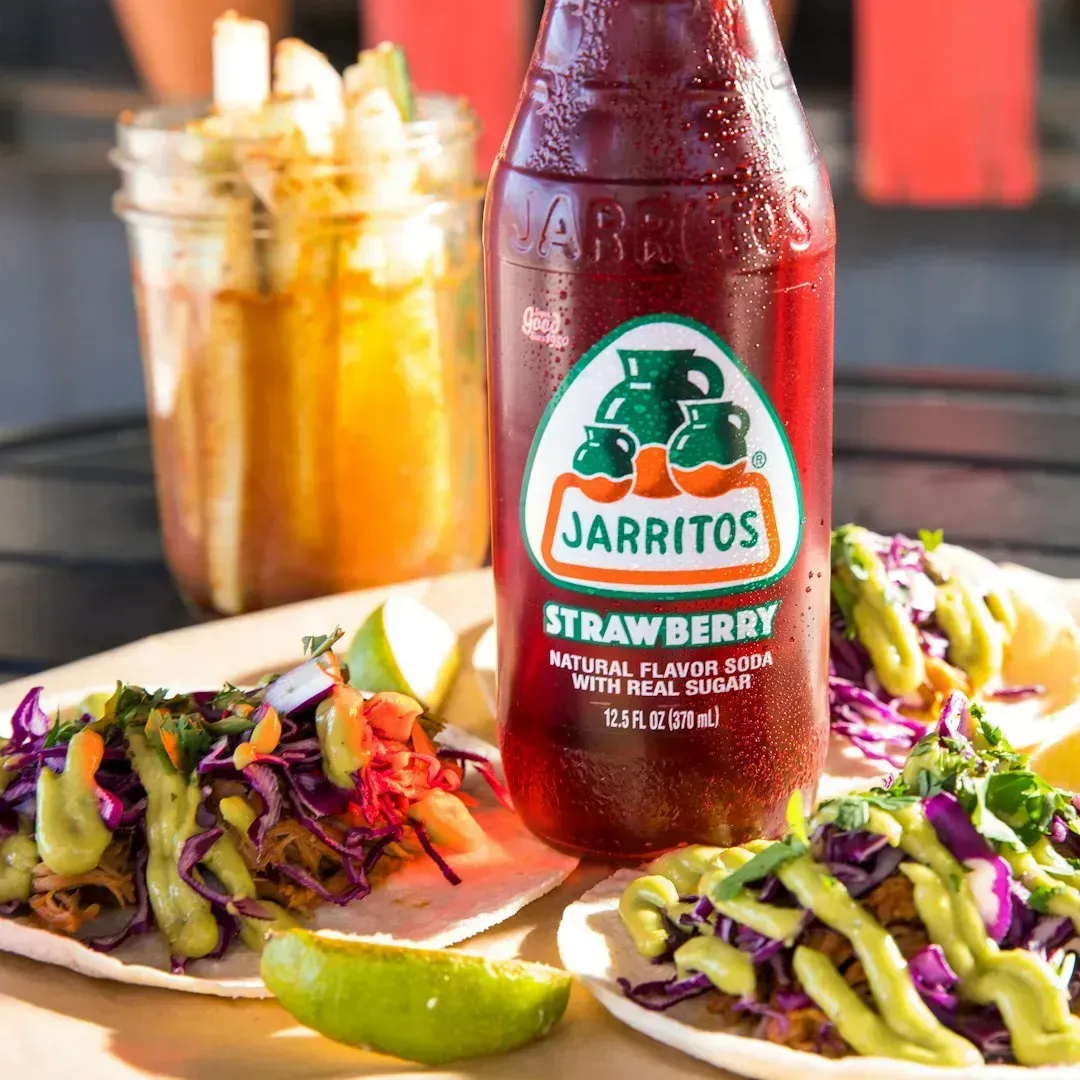
Approximately 32 million people in the United States report having a food allergy, and each year around 200,000 people seek emergency medical care due to food-allergy reactions. That is an enormous number of people for whom an unexpected sauce or topping is not just an inconvenience - it can be a genuine medical emergency. Consuming even trace amounts of common foods can cause a rapid allergic reaction within minutes, and eating at restaurants poses a particular risk of such reactions due to inadequate, inconsistent labeling of allergens in food.
Around 30% of restaurant patrons self-identify as having a food allergy or sensitivity, and among people in the United States Peanut and Tree Nut Allergy Registry, 13.7% have experienced reactions in restaurants and food establishments. A complimentary aioli or a "free" glaze added to your order may contain egg, soy, wheat, or peanut derivatives that were never communicated to you. Hidden sources of egg, for example, include mayonnaise, aioli, and some salad dressings, as well as battered and fried foods and pasta. That "free" garlic butter drizzle? It could cost someone a trip to the ER.
What the Law Says - and Where the Gaps Are

While more than 160 foods can cause allergic reactions in people with food allergies, the law identified eight most common allergens that account for 90 percent of food allergic reactions: milk, eggs, fish, crustacean shellfish, tree nuts, peanuts, wheat, and soybeans. As of January 1, 2023, sesame was officially added as the ninth major food allergen under the FASTER Act, requiring clear labeling. However, these labeling requirements primarily apply to packaged foods. Restaurants sit in a very different regulatory landscape.
Eating at restaurants poses a risk of allergic reactions for those with food allergies due to inadequate, inconsistent labeling of allergens in foods. Recognizing the evolving consumer landscape, governments around the world have implemented menu labeling laws, but the coverage remains patchy and enforcement varies dramatically. In Canada, for example, there are no laws requiring allergen labeling on non-pre-packaged food, leaving it up to restaurant managers to decide how to accommodate allergic customers. When a server adds an extra ingredient to "elevate" your dish without mentioning it, no alarm bell necessarily rings - legally.
Free Extras and the Ultra-Processed Food Connection
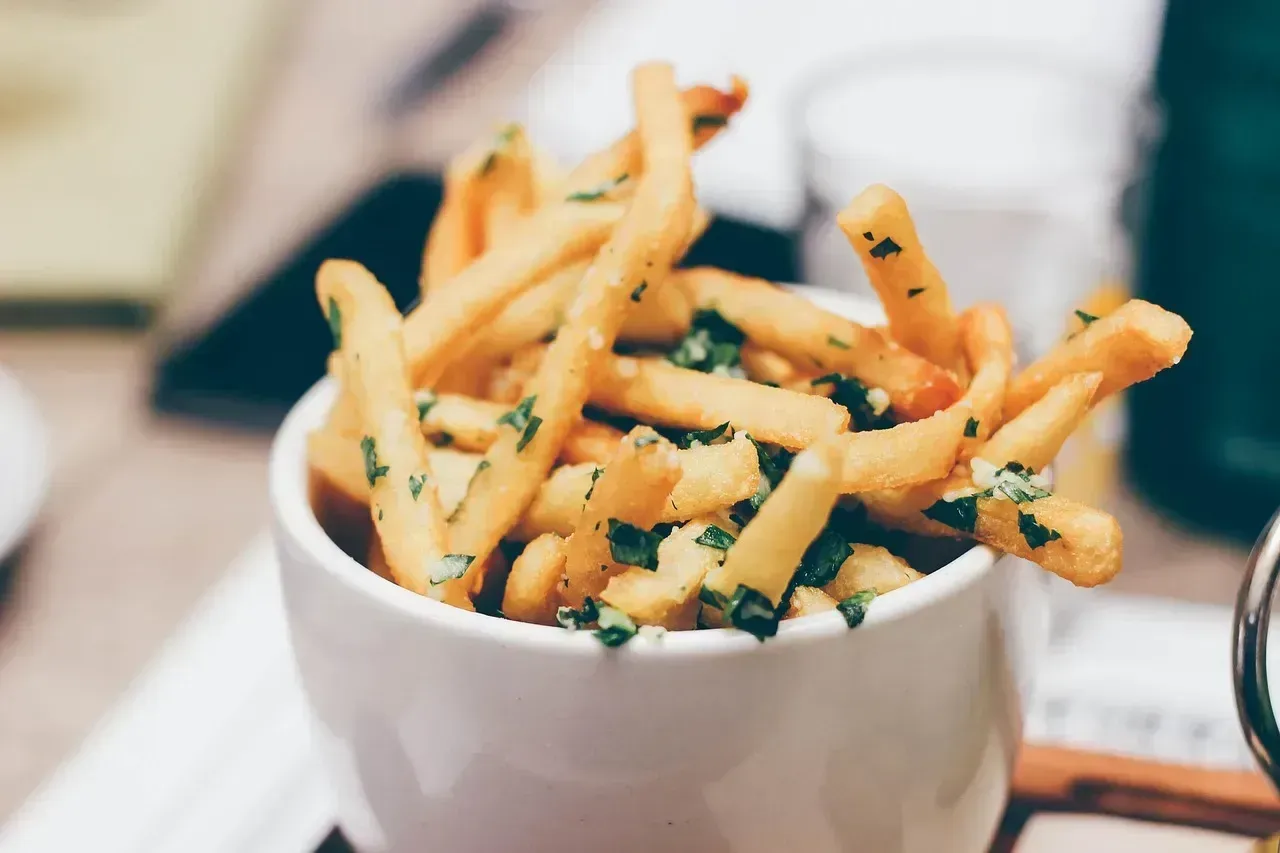
A 2024 umbrella review of 45 meta-analyses including almost 10 million people found that diets high in ultra-processed foods are linked to 32 health conditions, including obesity, type 2 diabetes, cardiometabolic diseases, many cancers, gastrointestinal disorders, asthma, anxiety, depression, cardiovascular events, and all-cause mortality. The free sauces, syrups, glazes, and dressings added to your order are frequently ultra-processed products loaded with emulsifiers, colorants, and preservatives. They seem minor, but they are part of a cumulative dietary pattern that science increasingly regards as harmful.
Ultra-processed meats, classified by the WHO as a Group 1 carcinogen - a categorization shared by tobacco and asbestos - are linked to colorectal cancer. When restaurants toss in free samples of processed meats or cured extras with your meal, the "bonus" may not be worth accepting. Research is now specifically designed to better understand how certain food additives might affect metabolic health, and the answers coming back are not reassuring for consumers who dismiss those small, complimentary additions as harmless.
The GRAS Loophole: Companies Don't Always Tell Anyone

The Food and Drug Administration currently allows companies to self-affirm that an ingredient is generally recognized as safe (GRAS) and begin using it in food products without FDA review. That means an ingredient included in a complimentary dipping sauce or a free condiment may never have received any formal government safety assessment at all. Under the current voluntary GRAS notification program, companies can introduce a human or animal food substance purported to be GRAS under the conditions of its intended use without FDA notice or review.
In March 2025, a directive was issued to explore rulemaking to eliminate this self-affirmation pathway, with the intention to require companies to notify the FDA in advance when they intend to introduce new ingredients, and to provide data showing those ingredients are safe. In 2026, the FDA is expected to publish a proposed regulation requiring the submission of GRAS notices for all new substances. Until that rule takes effect, though, the free extras arriving on your plate may contain ingredients that flew under the regulatory radar entirely.
Consumer Awareness Is Improving - but Not Fast Enough
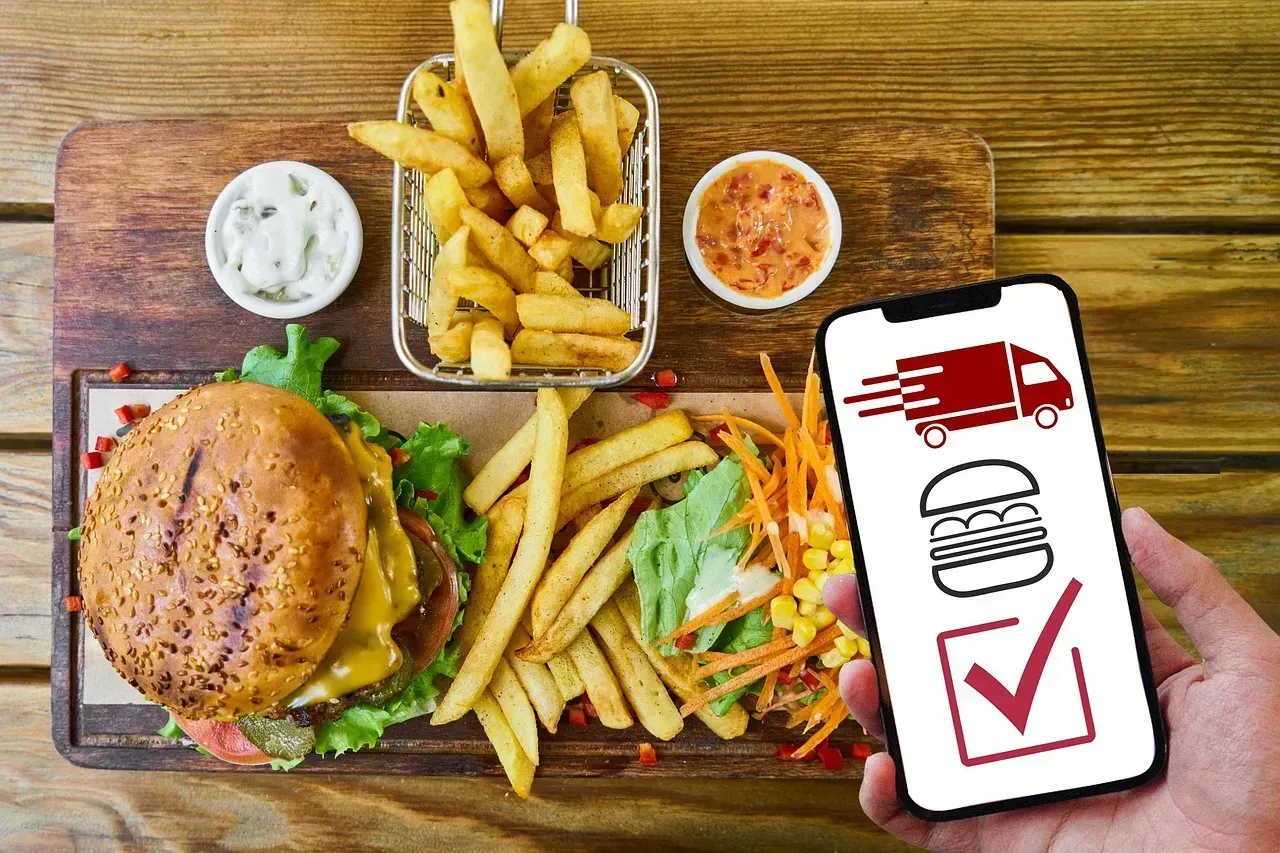
More Americans consider the presence of an ingredient - roughly 31% - to be the most important factor when considering potential health risks, compared to the amount of an ingredient (21%) or number of ingredients (16%), according to the 2024 IFIC Spotlight Survey on American Perceptions of Food Ingredient Safety. Still, confidence in the safety of the food supply is down significantly, and the factors that Americans use to determine the safety of food products while shopping are wide-ranging. That gap between concern and informed action is exactly where the danger hides.
In a world where consumers are becoming increasingly conscious about their food choices, the demand for ingredient transparency in restaurants has emerged as a significant trend discussed on news outlets, social media, and in print materials - consumers want to see how their meals are being prepared and what with, driven by heightened awareness about health, dietary preferences, and food allergies. Yet wanting transparency and actually receiving it are two very different things. While nearly three in four Americans express high levels of trust in registered dietitian nutritionists, half express low levels of trust in posts they encounter in their social media feeds - meaning most people still lack a reliable, real-time source of ingredient information when they're sitting at a restaurant table.
What You Can Do Right Now

When dining out, consumers want to know exactly what they are putting into their bodies and are seeking out restaurants that can provide information such as the origin of the ingredients, whether they are organic or locally sourced, and if any allergens or additives are present. The practical move is simple: ask before you accept. Decline complimentary extras unless the server can confirm exactly what's in them. Technology is helping - one allergen-focused platform launched in April 2024 found that a menu description may say a dish contains dairy because of cheese, but the dairy is actually baked into the burger itself, a distinction that has already been accessed by more than 1 million customers across about 4,000 restaurant locations.
In early 2025, the FDA proposed a regulation requiring food packages to display key information - like added sugar and sodium levels - on the front of the package to help consumers make better informed choices. That is progress, but it still does not cover the unpacked, unlabeled extras that arrive with your meal. The global food additives market was valued at $80.4 billion in 2024 and is projected to reach $106.8 billion by 2029, growing at a compound annual rate of 5.8% - a clear sign that more, not fewer, additives will be appearing in food across the supply chain in the years ahead. The "free" extra ingredient is never truly free if you haven't checked what it contains.



Leave a Reply