
There's something oddly reassuring about knowing that the people who spend their lives cooking for others are just as picky as the rest of us when they sit down to eat. Maybe even more so. Professional chefs carry a kind of insider knowledge that most diners never get to access. They know how kitchens really operate behind those swinging doors, and that knowledge changes everything about how they order.
Honestly, the list of things chefs quietly avoid at other restaurants is longer than you'd expect. Some of it is about food safety, some of it is about value, and some of it is just culinary pride. Stick with us through all ten items, because the ones at the end might genuinely surprise you. Let's dive in.
1. The "Daily Special" - Not Always Fresh Off the Boat
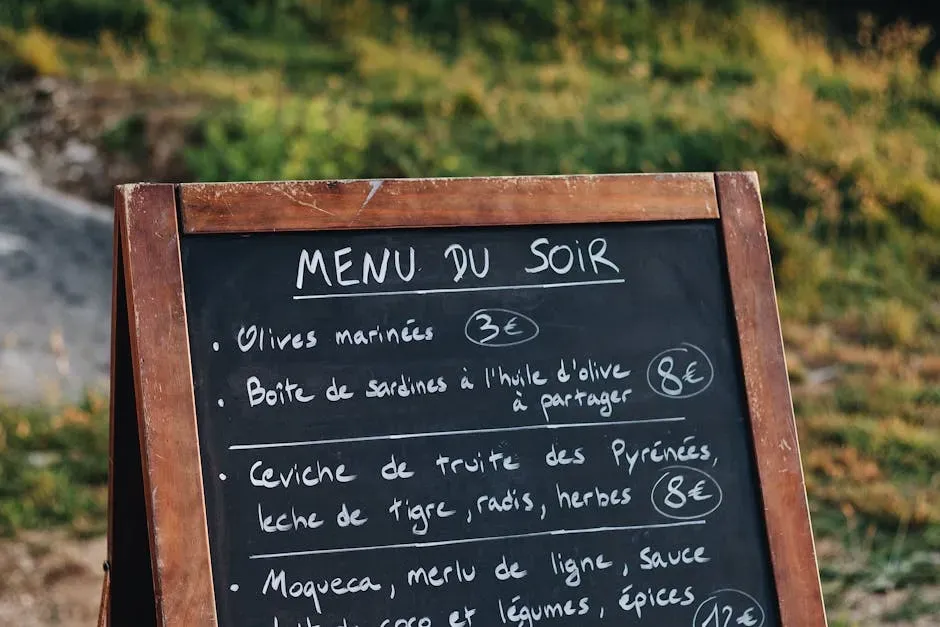
It sounds like the most exciting thing on the menu, but seasoned chefs view the daily special with a fair bit of suspicion. Restaurant servers push the daily specials hard, and their reasons are often more economic than culinary. Think about that for a second.
Restaurant specials are one-off dishes created for that day only, and they're usually a way for the kitchen to use up leftover ingredients or produce that's on the turn. That "fresh catch" might have been sitting in the walk-in since Wednesday.
Gordon Ramsay himself warned diners against ordering the soup du jour, telling a magazine to ask what yesterday's soup du jour was before today's, noting it may be the soup du month. If even Ramsay is skeptical, that tells you something real. A great special exists, but it should showcase something genuinely fresh, not offload what the kitchen couldn't move.
2. Chicken - The Most Overpriced Disappointment on the Menu
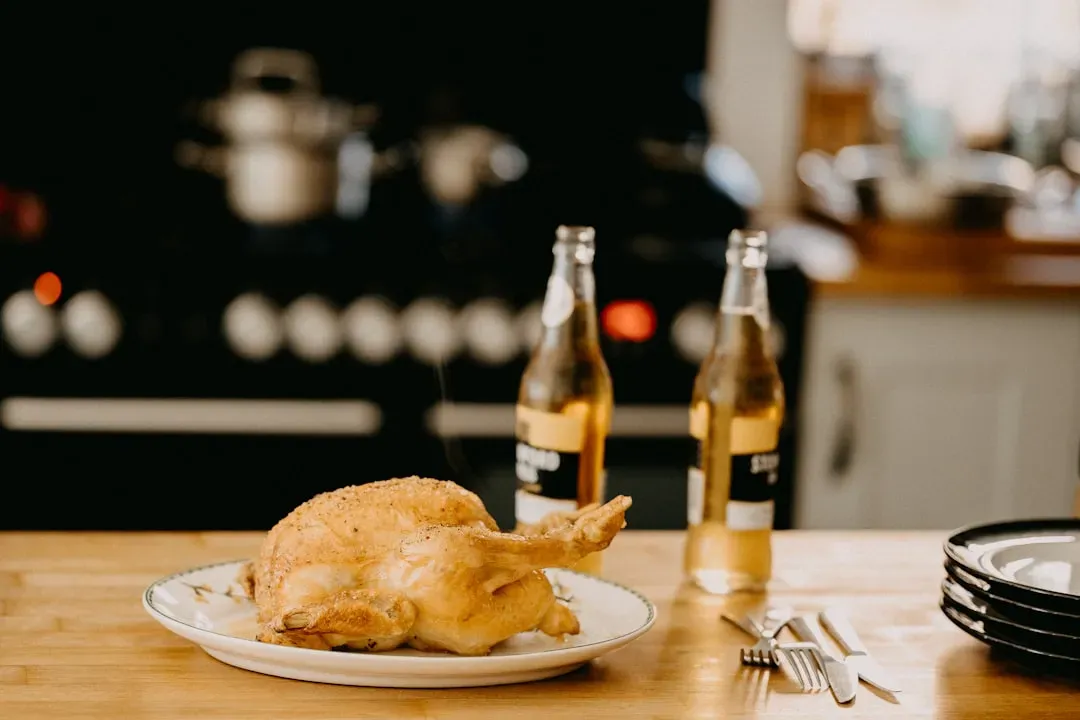
Here's the thing about restaurant chicken. It's almost always listed on the menu, it's almost always overpriced, and it's almost always a letdown. According to the Food Network's website, chefs avoid ordering chicken in restaurants for many reasons, including overinflated price and lack of originality.
Top chefs know to avoid ordering chicken when they're eating out, as it's often overcooked and considered the most boring dish on the menu. It's a bit like ordering the plainest thing at a concert - you'll survive, but you'll wonder why you bothered.
Chicken is the default option, the safety net dish. It takes real skill and attention to execute properly, and busy kitchens are rarely giving it that level of care. Unless a restaurant has made it their actual specialty, most chefs simply refuse to waste a meal on it.
3. Raw Oysters - A Beautiful Risk That Can Go Very Wrong
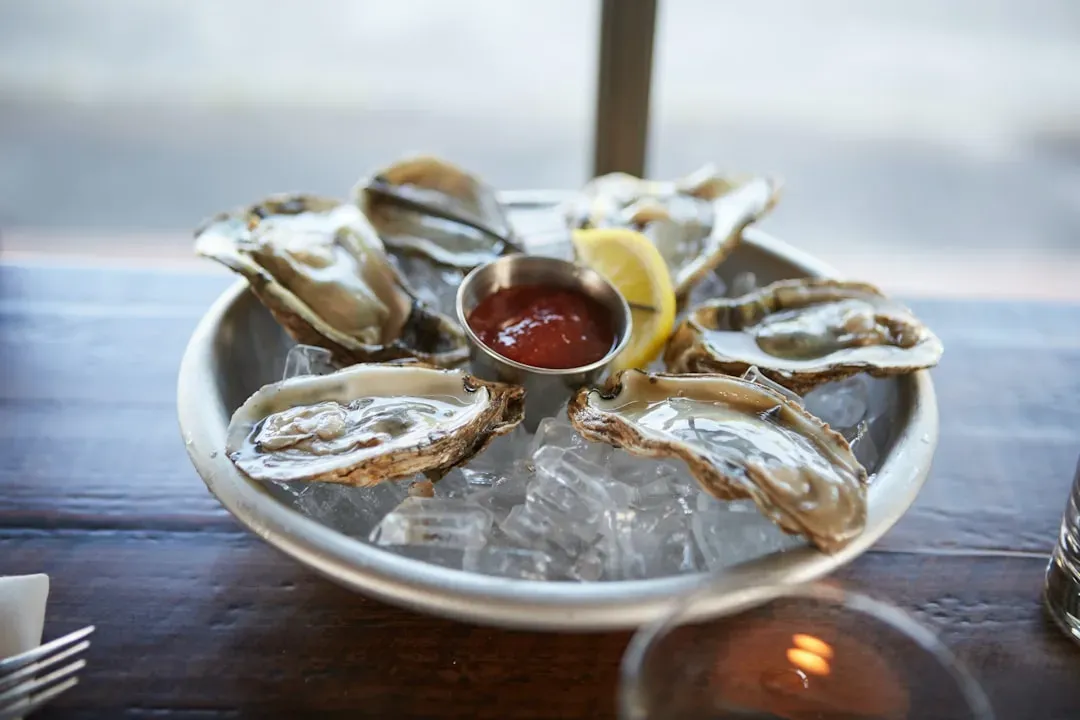
Raw oysters are one of those foods that feel luxurious when done right, but chefs treat them with extreme caution when eating out. Cordon Bleu-trained chef Mark Nichols won't go near raw oysters if they were harvested more than 100 miles away from the restaurant serving them.
Raw oysters can be safe and carefully handled even in inland cities, as large restaurants often rely on robust cold chains and quick distribution. Yet many chefs still avoid oysters unless they trust the venue's sourcing and volume, since raw oysters sit at the intersection of pleasure and risk.
Most cases of paralytic shellfish poisoning occur from people eating clams or mussels, so even bad sourcing can make one sick. That's not a risk chefs are willing to take just for a plate of shellfish they can get properly elsewhere. I think this one is genuinely the most dangerous item on this entire list.
4. Risotto - The Dish That Almost Always Gets Cheated
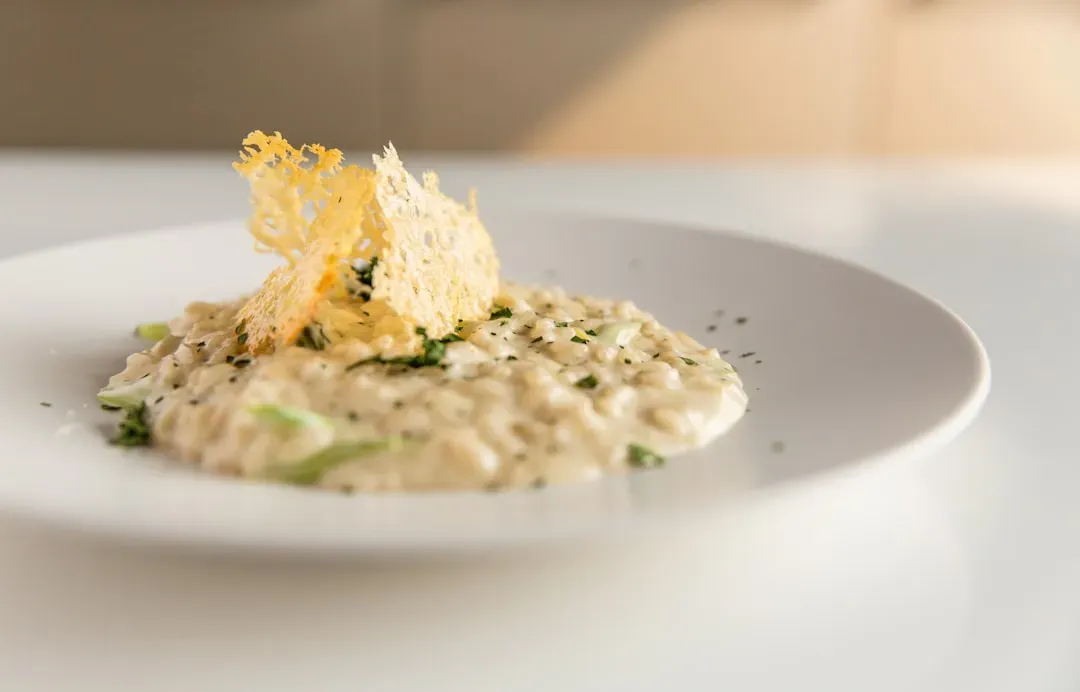
Risotto is one of those dishes that looks elegant and simple on the menu, but the reality in most kitchens is far less glamorous. Executive chef Brian Motyka of Longman and Eagle in Chicago says risotto is his number one dish he never orders at a restaurant, explaining that most of the time risottos are pre-cooked, heated up, finished with cream, and then overcooked beyond the al dente texture you're looking for.
Risotto demands a constant, almost meditative presence at the stove. It needs to be coaxed, stirred, tasted. It cannot be batch-cooked at 3pm and reheated during a dinner rush. Yet that's exactly what happens in countless kitchens.
Risotto and speed are a culinary oxymoron, and in a fast-paced setting, this dish is out of its element, since risotto demands patience and rushing it is a recipe for disaster. Chefs know this instinctively, which is why they usually skip it entirely unless the restaurant is genuinely Italian and known for nothing else.
5. Anything With "Truffle" in the Name - Fake Luxury at a Real Price

Let's be real: the word "truffle" on a menu is one of the most abused terms in the restaurant industry. Because truffles are so pricey, commercial truffle oil is often made with olive oil and chemical compounds like 2,4-dithiapentane instead of actual truffles. This compound mimics the earthy flavor of truffles but doesn't capture all the complexity of the real thing, and many restaurant kitchens use this chemical substitute because it's far more cost effective.
Pastry chef Saura Kline advises never ordering anything that has the word "truffle" in it, noting that unless you're at a high-class fine-dining restaurant, this usually means truffle oil, which is very rarely made with actual truffles, and tends to be used aggressively while immediately increasing the price of any dish regardless of its actual quality.
When a menu offers cheap truffle on everything, many chefs see marketing rather than magic at work, since real truffle tends to appear sparingly, in season, and on focused dishes where the kitchen can justify the cost. Heavy, oily truffle drizzle on casual bar food often signals an attempt to mask mediocre ingredients.
6. Mussels at Non-Seafood Restaurants - A Freshness Gamble
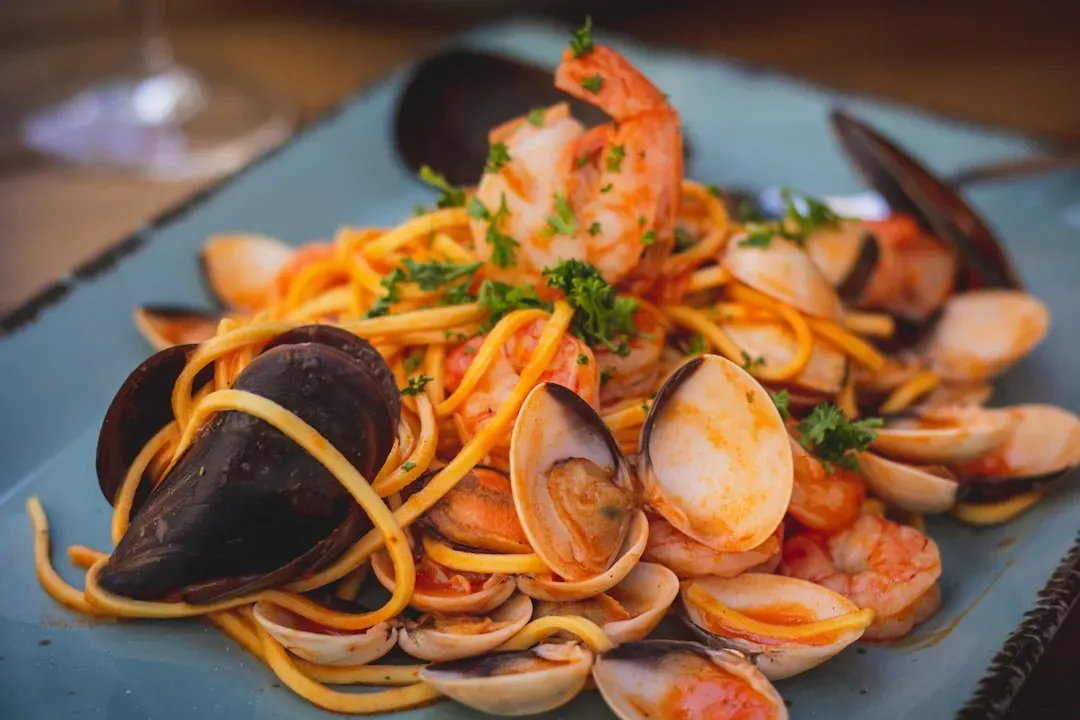
Mussels at a top coastal seafood spot? Go for it. Mussels at a random gastropub inland on a Tuesday evening? Chefs would rather not. Chefs usually avoid ordering mussels in places that are not known for seafood or that seem quiet, because shellfish needs steady demand to justify frequent, fresh deliveries, and a half-used sack of mussels can linger longer than it should.
Outside of taste issues, food safety was Bourdain's main reason for staying away from mussels, as he stated that the shelled delicacy is often prepared and kept improperly. A badly stored mussel isn't just unpleasant. It can send you to the emergency room.
A menu packed with fish but a dining room that looks half empty, shellfish available at lunch, late night, and all week with no variation, and very low prices compared with local competitors are all signs that make chefs wary. These are the quiet signals that professionals read instantly.
7. The House Salad - Wilted Greens in Disguise
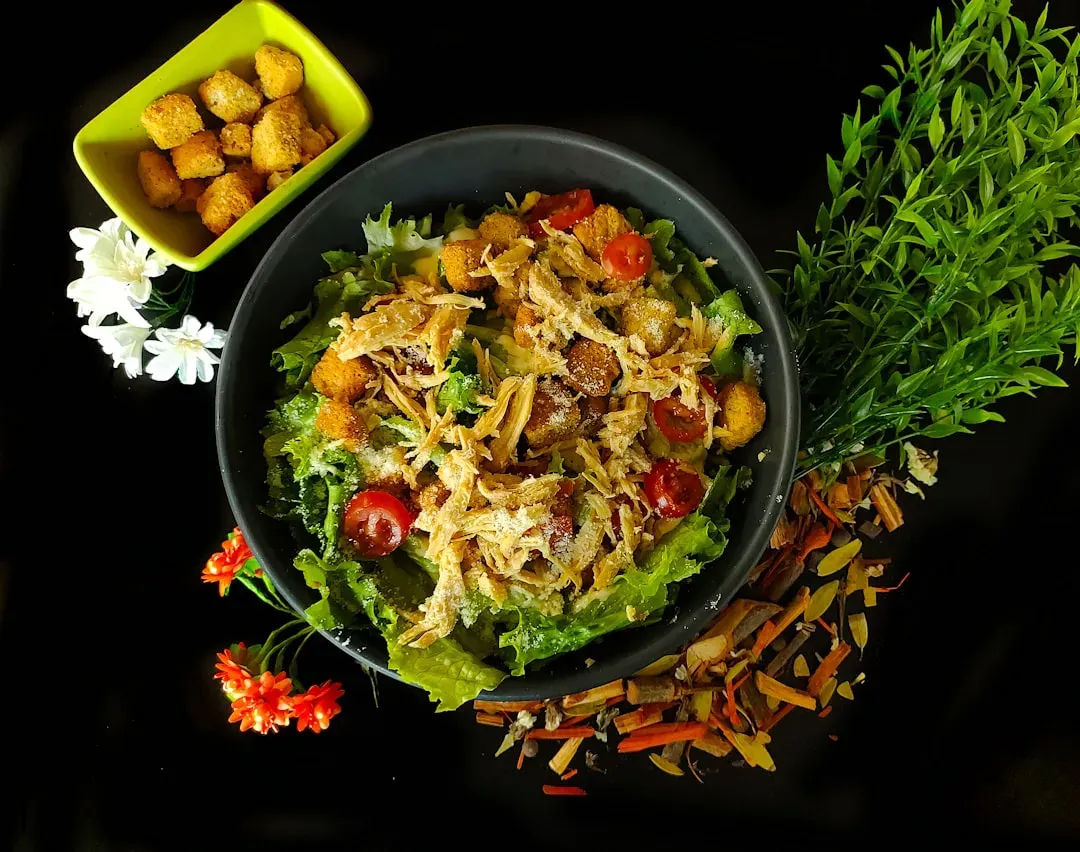
The house salad feels like the sensible, healthy option. In reality, it's often the kitchen's most convenient way to clear out whatever produce is on its last legs. Top chefs say you should avoid the "house salad" at all costs, as these dishes are usually made up of repurposed ingredients left over from the week that would otherwise be thrown out. House salads are also often disguised by a thick, heavy dressing to hide all of the wilting components that are on the verge of being unsafe to eat.
Food safety experts warn that salads, sprouts, and deli meats pose foodborne illness risks despite their healthy reputation, and leafy greens now cause more outbreaks than hamburgers. Absorb that stat for a moment.
It's worth avoiding salads with pre-cut lettuce, as they have a higher chance of exposure to harmful bacteria, and salads topped with raw sprouts have been linked to outbreaks of foodborne illnesses. What looks like the "safe" order is sometimes anything but.
8. Fish on Mondays - The Weekend Leftover Problem
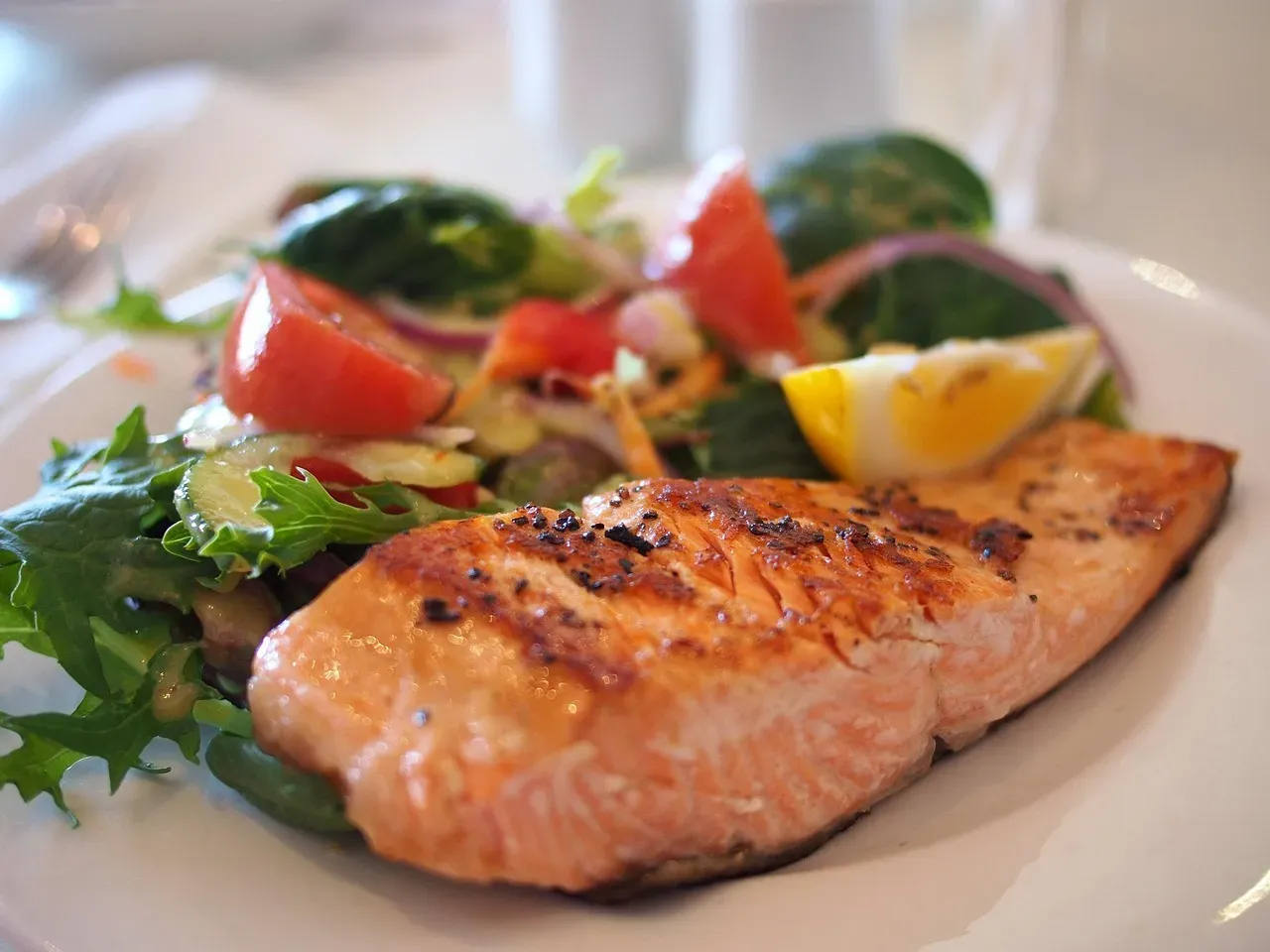
This is one of the oldest rules in professional kitchens, and it still holds true. Since most fish markets don't deliver on weekends, the debate about not eating fish on Mondays continues to rage between freshness-loving chefs, with many avoiding it entirely, though others are comfortable ordering fish if the restaurant has a coastal location or is known for seafood.
Think of it like this. Fish delivered Friday morning has now spent a full weekend in a busy walk-in refrigerator. It's not necessarily dangerous, but it's definitely not peak freshness. And you're paying peak prices for it.
Executive chef Eric Duchene of the JW Marriott Scottsdale Camelback Inn warns to avoid fish specials with bacon, noting that bacon is used to cover up the smell of old fish, and also advises against ordering raw fish on Sunday nights because restaurants don't receive deliveries on Sundays. That particular trick with the bacon is the kind of thing you can't unknow once you've heard it.
9. Brunch Buffet Items - The Temperature Danger Zone
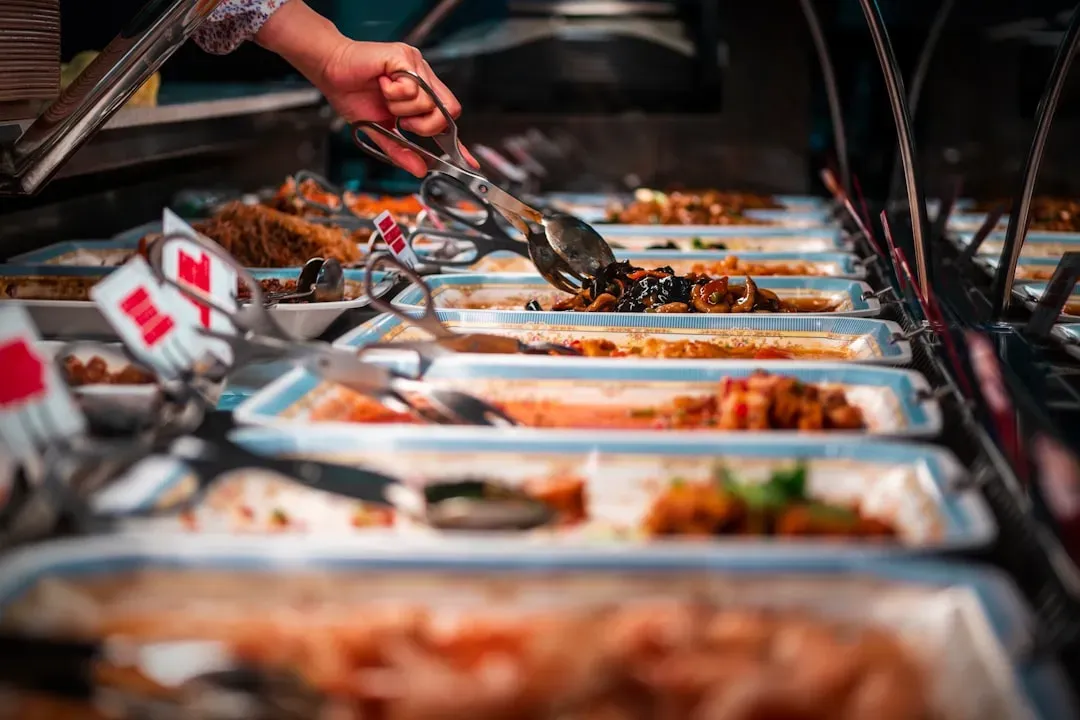
Brunch buffets feel festive and indulgent, but many chefs see them as a minefield. Unlimited brunch deals and long buffets depend on volume and speed, with eggs sitting in warmers, sauces thickening over time, and bacon cycling through multiple reheats, which leads professional chefs who see this backstage to usually order something simple or skip the offer altogether.
Anthony Bourdain had many reasons for avoiding brunch, among them being that it tends to be a way for chefs to use up their leftovers from Friday and Saturday services. Dishes made from leftovers not only won't taste as good, but they also carry the risk of food poisoning if they weren't stored properly or kept too long.
Each year, an estimated 48 million people in the United States suffer from food poisoning, of which 128,000 are hospitalized, according to the CDC. Brunch buffets, with their warm trays and inconsistent turnover, represent exactly the kind of environment where food temperature control becomes difficult. Chefs know this. The smartest move at any buffet brunch is to look for something made to order right in front of you.
10. Anything "Beef Tips" or Mystery Meat Cuts - Scraps With a Fancy Name
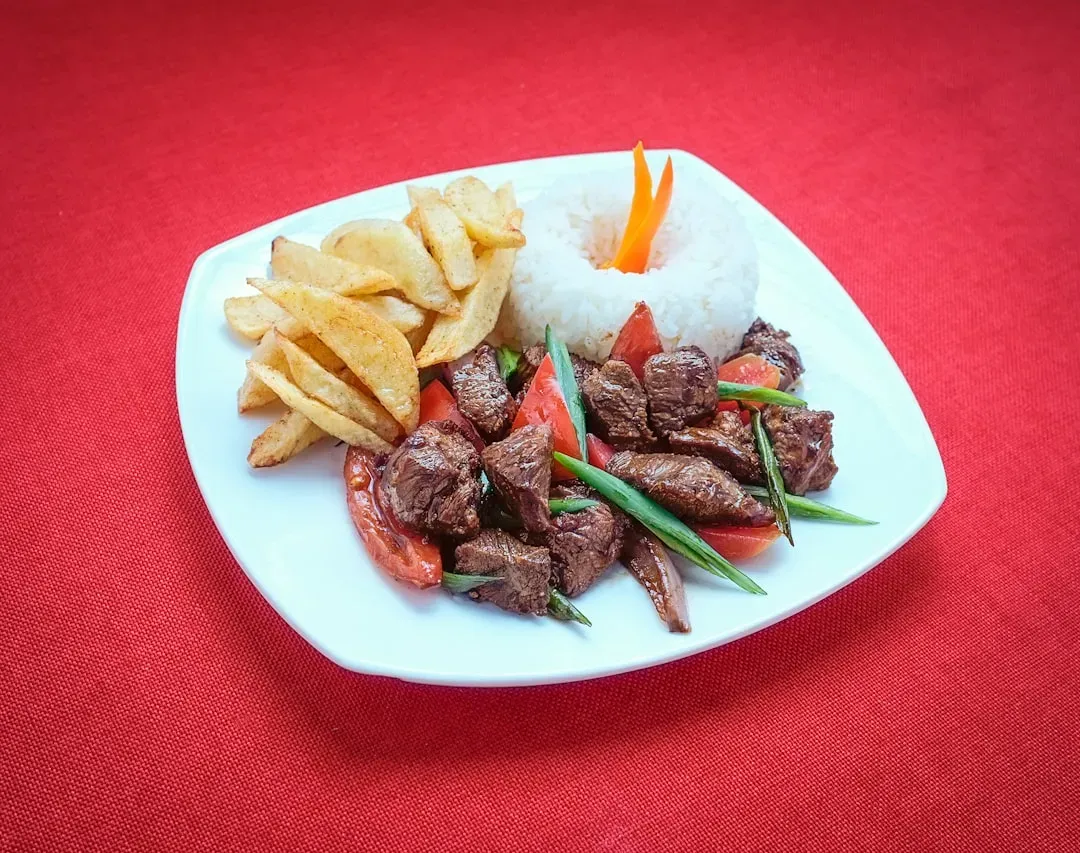
If you see "beef tips" on the menu and can't figure out exactly which cut of beef they come from, that ambiguity is the whole point. While some cuts of meat are best for beef tips, there's no consensus on what part of the cow the beef tips should come from, and this lack of clarity leads chefs to avoid this dish when dining out.
Multiple chefs warn of dishes that "cut corners" in different ways, from serving cheap versions of ingredients that are supposed to shine to those that rely on cheap shortcuts to achieve their flavors. Beef tips are practically the poster child for this practice.
As one chef put it, chefs know what corners they had to cut when they were tired and the owner wanted higher margins, so they avoid the dishes where cutting corners hurts the most. High-risk favorites include seafood specials in quiet restaurants, endless brunch buffets, and specials that never seem to disappear. It all comes back to one thing: the more a dish can hide behind a sauce, a name, or a description, the more suspicious a trained cook becomes.
A Final Thought Worth Chewing On
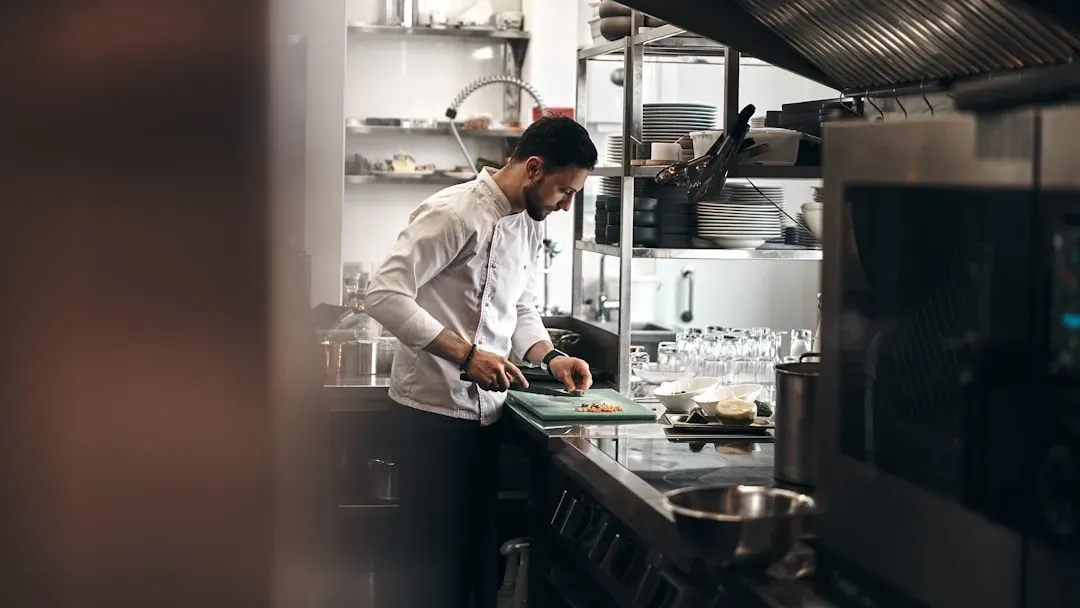
Here's what all of this really tells us. Professional chefs don't avoid these foods out of snobbery. They avoid them because they understand the system from the inside. They've seen what happens when a kitchen is overwhelmed, when food costs need cutting, when a delivery gets delayed.
The Consumer Price Index data from mid-2025 confirmed that prices at restaurants, casual dining, and fast-food establishments are up roughly three and a half percent over the previous twelve months. That pressure on margins doesn't disappear. It just moves somewhere onto the plate.
Next time you sit down at a restaurant, try thinking like a chef. Ask what's freshest. Skip the generic. Order the thing that takes real skill to make. And maybe reconsider that house salad. What do you think - will any of these change the way you order the next time you eat out? Let us know in the comments.



Leave a Reply