
Eating out feels like a treat. You sit down, someone brings you food, and for a moment the world feels simple. But behind that warm bread basket and that perfectly lit dining room, there are things happening that most diners never notice, and honestly, some of them are a little unsettling. Restaurants are businesses first, and like any business, they operate with strategies designed to maximize their gains, sometimes at the quiet expense of yours. Some of it is clever. Some of it is genuinely worth knowing.
This is not about scaring you off dining out. It's about walking in with your eyes open. So let's dive in.
1. The Menu Is Engineered to Control What You Order
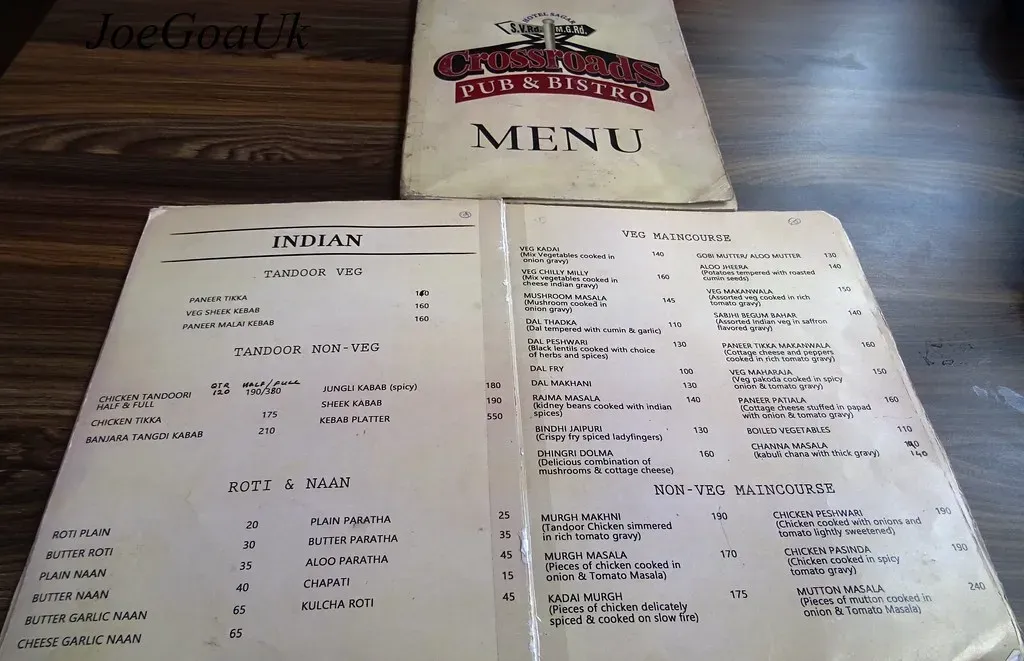
Here's the thing most people never realize: the menu you hold in your hands is not a neutral list of dishes. Every menu is carefully constructed to persuade you into making certain decisions, predominantly ones that will ultimately make you spend more money. The psychology behind menu engineering is backed by science and countless hours of research, covering aspects such as positioning, color theory, the use of buzzwords, controlled costing, and more.
Psychologists have studied consumer eye patterns and found that our eyes tend to move to the center of the menu first, then to the top right corner, followed by the top left corner. This is known as "The Golden Triangle." Restaurants know this intimately, and they place their most profitable items exactly where your eyes land first.
Restaurants will often place an expensive decoy item next to others to make the other options look like a bargain. Not many people will order a $100 Wagyu filet, but it sure makes the $60 rib eye look more reasonable. That anchor price is not there because someone expects you to order it. It is there purely to reshape how you perceive everything else.
A famous study from Cornell University shows many of the ways restaurants can change how pricing is displayed on their menus to influence guest behavior. Some of the simplest and most common ways include removing dollar signs and decimals from the menu. The Cornell study showed guests tend to spend more when prices are displayed as a single, whole number. You order differently when the psychological "pain" of paying is reduced. Subtle, but remarkably effective.
2. Dirty Menus Are One of the Germiest Things at Your Table
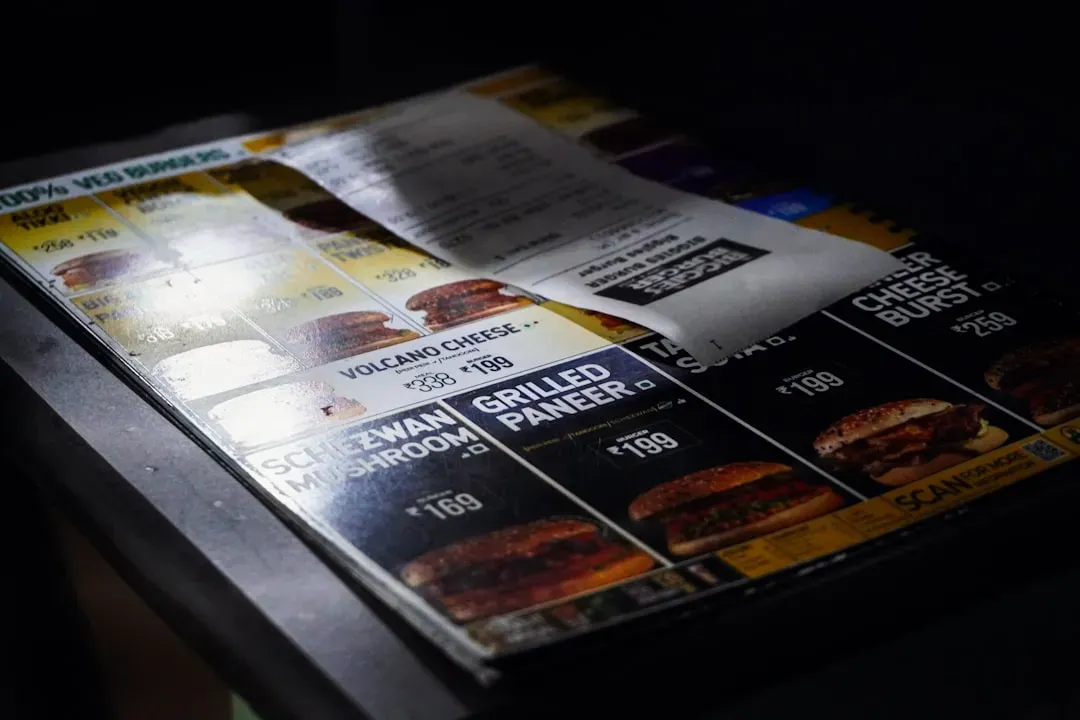
You wash your hands before eating. You probably worry about clean plates. Yet you likely spend no time at all thinking about the menu you just pressed your face close to while reading. I think this is one of the most overlooked hygiene risks of dining out.
According to studies, menus can have bacteria counts as high as 185,000 per square centimeter, far more than a toilet seat. The reason: scores of people touch restaurant menus and yet they are rarely cleaned. Think about that the next time you set the menu down on the table and then pick up your bread roll with the same hand.
In restaurants, poor hygiene can include inadequate handwashing, improper storage of food, and failure to clean and sanitize surfaces and equipment. When these basic practices are neglected, the risk of cross-contamination and the spread of pathogens increases, posing a significant threat to public health. The menu, passed from table to table dozens of times a night, sits right at the center of this issue.
3. Those Lemon Wedges in Your Drink Are Dirtier Than You Think
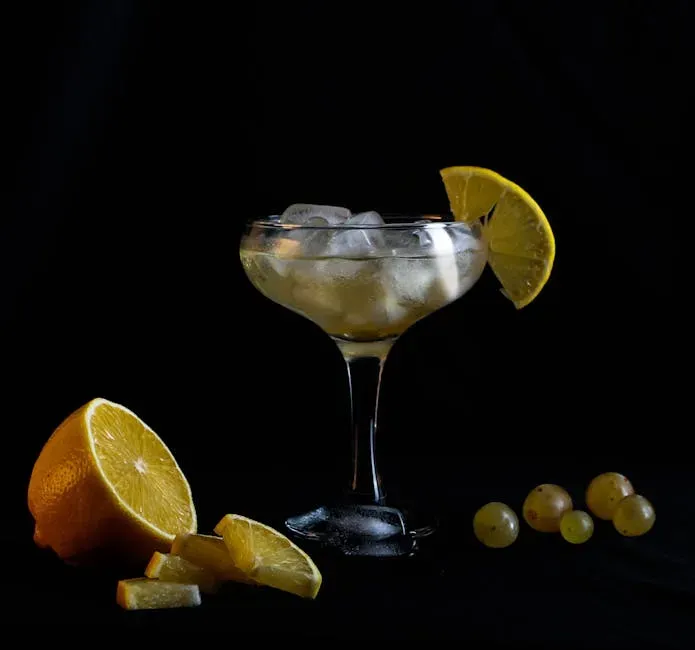
It looks refreshing. A nice lemon wedge sitting on the rim of your ice water. It feels like a five-star touch. The reality, though, is considerably less appealing. Based on a study published in the Journal of Environmental Health, researchers tested 76 lemon wedges pulled from New Jersey restaurants. Of those samples, multiple bacteria types found were those that originate in fecal matter.
One study found that roughly seven in ten lemon wedges put under the microscope showed significant microbial growth. Another study showed the presence of fecal matter in the lemon wedges. The contamination comes from how they are handled. Restaurant employees' hands touch all kinds of things: dirty plates, dirty glasses, and even cutting boards that might have once housed raw meat. Then, those same hands could squeeze a lemon wedge and pop it into your drink.
It could come down to how the restaurant's sanitary practices impact bacteria counts. The samples that came back without any harmful bacteria were from wedges placed in containers inaccessible to the public, while the two with harmful bacteria came from wedges accessible to patrons as well as employees, with no covering. Worth asking where those lemons are stored next time.
4. Ice Machines Are a Hidden Contamination Hotspot

Nobody looks twice at the ice in their drink. It is invisible, taken for granted, assumed clean. That assumption deserves a second thought. A literature review from 2024 showed that most studies indicate restaurant ice machines have more bacteria than machines producing ice for industrial purposes. Recent research indicates that as much as a quarter of ice used in restaurants tests positive for bacteria.
Ice machines used to produce ice for food storage are more likely to be contaminated than ice used for drinks, highlighting a key vulnerability in restaurants that use ice machines to perform both functions. So the same machine cooling your salmon could be cooling your cocktail. The line between the two is often thinner than you would want.
5. Condiment Containers Are Rarely as Clean as They Look
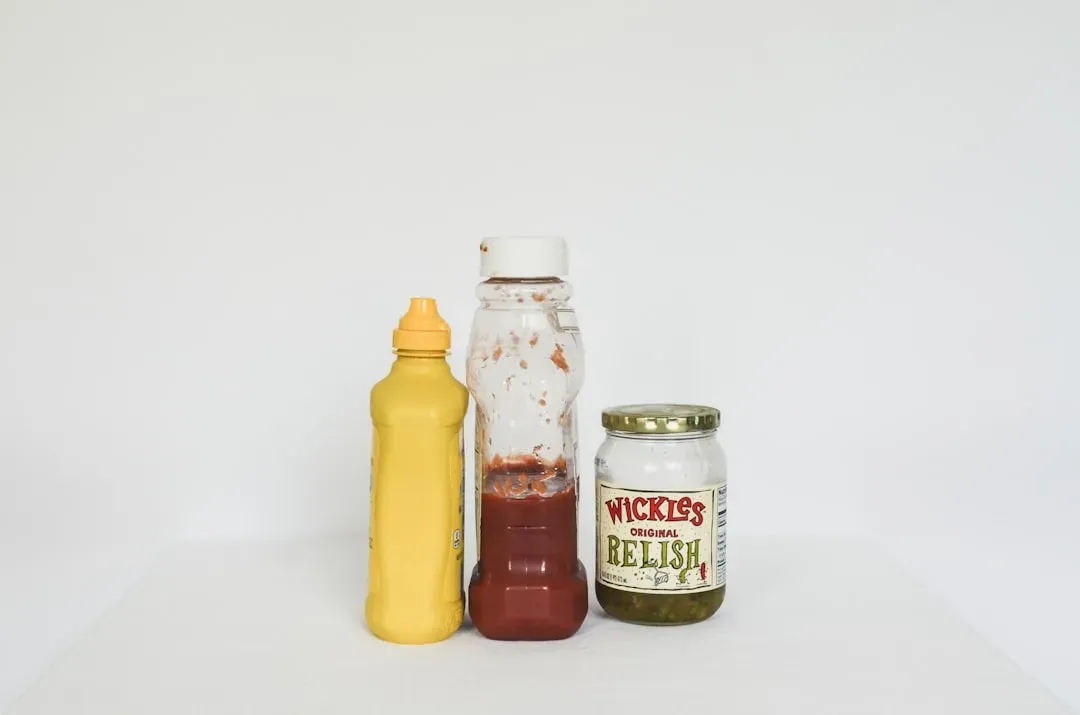
The ketchup bottle. The shared hot sauce. The salt shaker. These are objects that every single table touches throughout the day, sometimes across an entire weekend without being sanitized once. Condiment containers, whether held in the dining area or back of house, are carriers of all kinds of bacteria. Research shows that, when tracking bacteria spread throughout a restaurant kitchen, spice bottles and condiment containers are contaminated at least half of the time.
Let's be real: nobody actually sees the staff wiping down the hot sauce bottle between services. Most people assume it happens. It often does not. Poor hygiene practices in food handling can lead to food contamination with harmful pathogens such as Salmonella, E. coli, and norovirus. These contaminants can cause severe foodborne illnesses, leading to symptoms such as nausea, vomiting, diarrhea, and in extreme cases, hospitalization. A reminder that your biggest risk at the table may not come from your plate at all.
6. Trained Staff Are Quietly Steering Your Spending
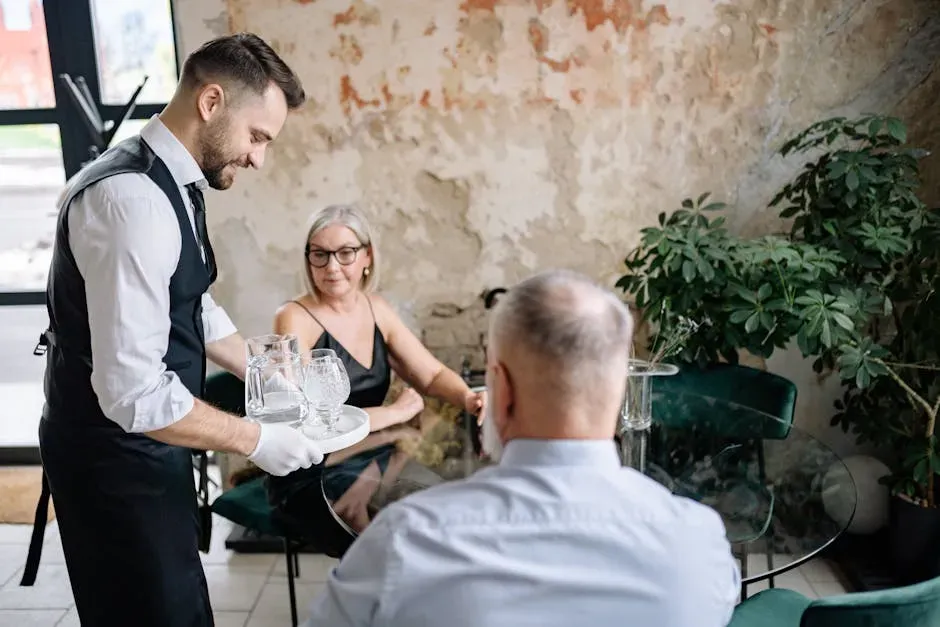
Your server is friendly, helpful, and knowledgeable. They are also, in many restaurants, strategically trained to increase the amount you spend. This is not cynical, exactly, but it is worth understanding. Staff training represents the cornerstone of successful restaurant upselling strategies. Without proper education and skill development, even the most sophisticated upselling techniques will fall flat. The goal is to transform servers from order-takers into knowledgeable hospitality professionals who can enhance guest experiences while driving revenue.
Menu design represents a powerful yet often overlooked strategy for driving restaurant revenue through strategic upselling. More than a simple list of dishes, a well-crafted menu can subtly guide guest choices and encourage higher-value purchases without aggressive sales tactics. The suggestion to "upgrade your side," "try the premium wine pairing," or "save room for dessert" is almost never a spontaneous act of generosity. It is part of a practiced system.
It is hard to say for sure whether this diminishes the dining experience. In some cases it genuinely improves it. In others, it nudges you past your budget before you notice. Being aware of the pattern means you can choose consciously rather than being gently steered without realizing it.
7. Foodborne Illness Outbreaks Happen More Often Than You Expect
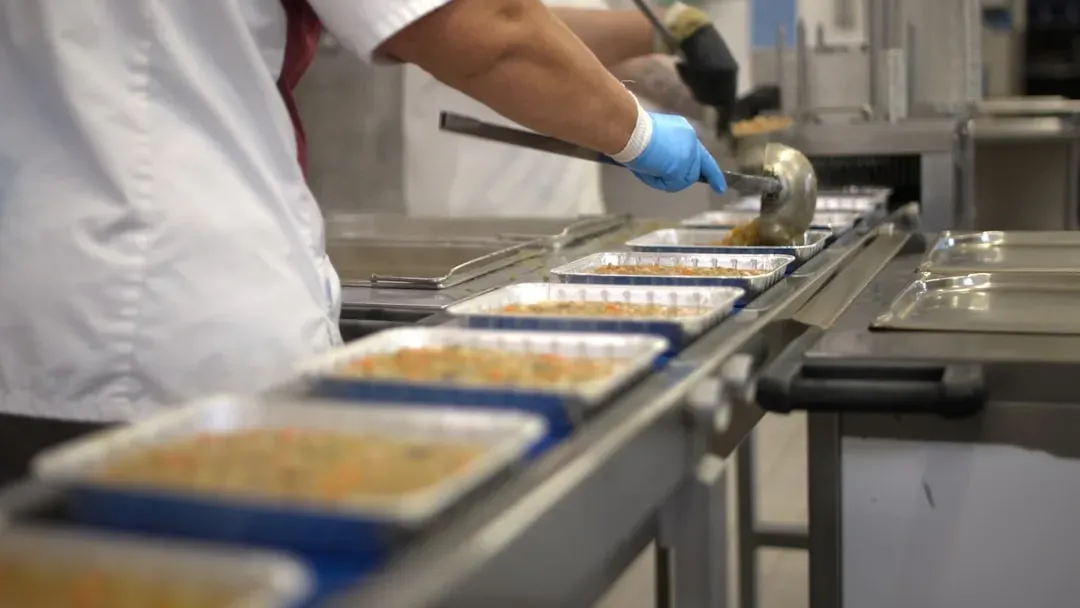
We tend to think of food poisoning from restaurants as rare, something that happens to other people. The data tells a different story. The majority of foodborne illness outbreaks happen in restaurants, outpacing all other food preparation settings. These outbreaks are often caused by improper food handling, poor hygiene practices, and inadequate cooking or storage temperatures.
In a 2024 survey conducted by NSF, over 100 Directors and Operators from fast food and restaurant chains across the U.S. shared their insights on the pressing risks and opportunities impacting their food safety operations and brand reputation for 2024 and 2025. The survey provides a snapshot of the industry's current challenges. The findings were not particularly reassuring.
Respondents identified people as the greatest risk at roughly six in ten responses, followed by products and technology. Meaning the biggest food safety vulnerability in your favorite restaurant is not the kitchen equipment. It is the human beings operating it, many of whom may be inadequately trained. Nearly two thirds of respondents highlighted the lack of employee knowledge regarding hygiene, sanitation, and knowledge of food equipment operation as a major concern.
8. Menu Descriptions Are Designed to Manipulate Your Perception of Taste
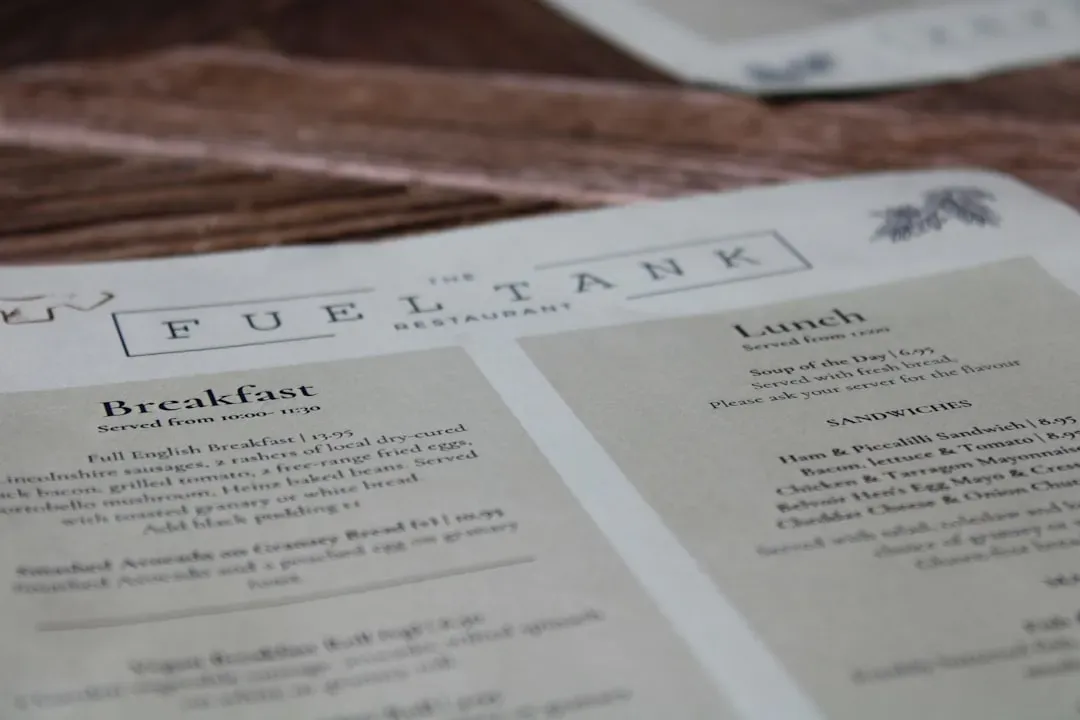
Honestly, this one is almost impressive once you understand it. Longer, more detailed descriptions sell more food, nearly a third more according to one Cornell study. The words on the menu do not just describe the dish. They shape how you experience it before you even take a bite.
The better a restaurant describes an item, the better guests report the food tasting. Words can have an enormous impact on how a customer perceives a dining experience. Chocolate cake described as "Velvet Chocolate Cake" automatically increases desire for the item. The food has not changed. Your expectation of it has. That expectation then colors the entire experience.
Adjectives like "line-caught," "farm-raised," or "locally-sourced" are significant draws for customers. These things all help increase the perception of quality of the item. This language is so effective that many states have "Truth in Menu" laws designed to prevent restaurants from lying about how a piece of meat was raised or where it originated. Which also confirms that not everyone is telling the truth without those laws in place.
9. Poor Food Safety Culture in Kitchens Puts You at Risk Invisibly
Everything might look spotless out front. The tablecloths are pressed, the glasses polished, the napkins folded like origami. The back of house is a different world, and you never see it. Even the best-written food safety policies are only as effective as the employees who carry them out. In 2025, regulators are tightening expectations around training and certification, making it clear that every staff member, front and back of house, must have a working knowledge of food safety standards.
Nearly half of restaurant industry respondents identified the need for a strong food safety culture as critical. Addressing staff turnover is essential to drive this culture, enhance food safety operations, and protect brand reputation. The restaurant industry is notorious for high staff turnover, meaning that newly hired and undertrained staff rotate through kitchens constantly.
While some jurisdictions inspect restaurants once or twice a year, others use a risk-based approach, visiting more frequently if a restaurant handles high-risk foods or has a history of violations. In many areas, inspection results are now published online or posted at the restaurant entrance, meaning a poor score can instantly affect customer trust and foot traffic. Before your next dinner reservation, it might be worth spending two minutes looking up the health inspection score of where you are headed. That information is often freely available online, and it tells a story the menu never will.
A Final Thought Worth Taking to the Table
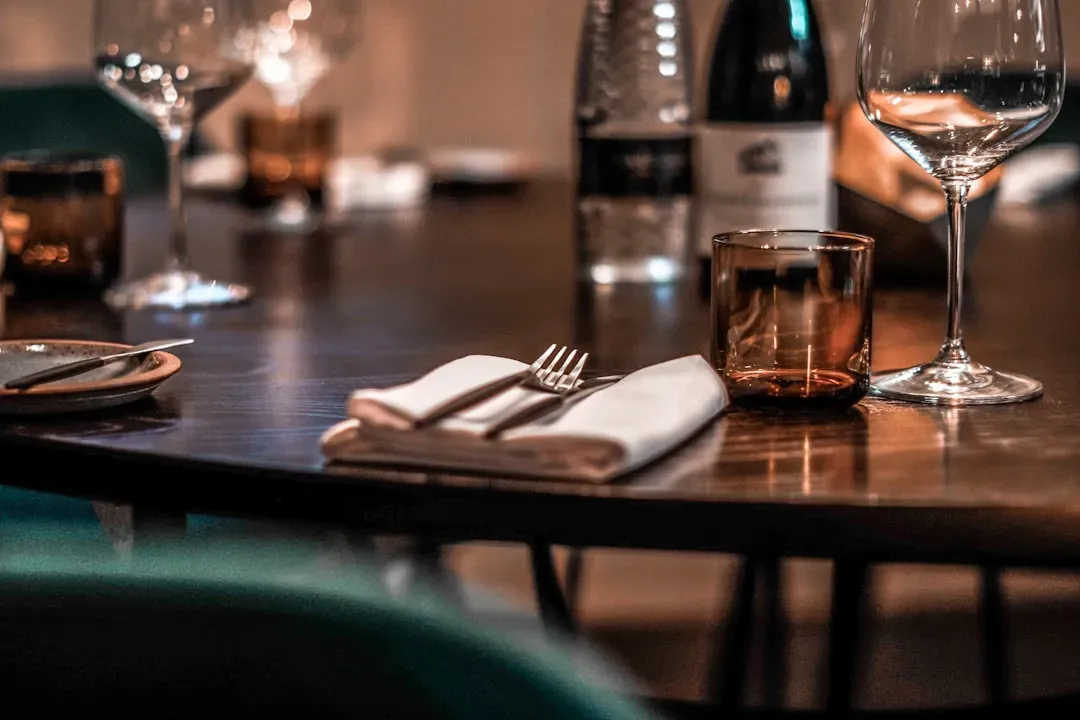
None of this is meant to make your next meal a paranoid experience. Millions of people dine out every single day without incident, and restaurants can be wonderful places. Knowledge, though, is a quiet kind of power. Understanding how menus manipulate your choices, how hidden surfaces harbor bacteria, and how staff are trained to increase your spend means you arrive at the table as an informed guest rather than a passive consumer.
The next time you scan a menu and suddenly feel convinced the $45 steak is actually the reasonable option, or you reach for that lemon wedge without a second thought, maybe pause for just a moment. It is a small thing. The experience will still be enjoyable. You will just know a little more about what is really going on behind the scenes.
What would you have guessed was the dirtiest thing at your restaurant table? Let us know in the comments.


Leave a Reply