
Walk through almost any major American city today and the unmistakable aroma of a sprawling all-you-can-eat buffet is harder to find than it was a decade ago. The long sneeze guards, the rotating tray warmers, the mountains of fried chicken and mac and cheese - that familiar landscape is fading fast. What once represented affordable abundance and family-friendly dining has become something closer to a relic, and the reasons behind that disappearance are far more layered than most diners realize.
The Fall of Buffet Giants: A Chain Reaction of Closures

Old Country Buffet once operated over 600 locations at its peak, but has since shuttered all of its remaining stores, largely due to repeated bankruptcy filings. That kind of collapse doesn't happen overnight. After Buffets, Inc. filed for bankruptcy in 2012, the company closed 16 percent of their restaurants, according to Forbes. The parent company, according to reporting by CNBC, had the distinction of declaring bankruptcy for a third time in 2016, having previously filed Chapter 11 in both 2008 and 2012.
The closures have continued well into the present decade. The closing of The Buffet at Luxor in Las Vegas in March 2025 left only eight buffets inside casinos on the Strip. Even in a city long synonymous with lavish all-you-can-eat spreads, the concept is retreating. In San Antonio, Lin's International Buffet closed in August 2025 after eight years of serving sushi, pho, and Mongolian barbecue. These aren't isolated incidents - they represent a pattern playing out from coast to coast.
Soaring Costs Make the All-You-Can-Eat Model Unsustainable
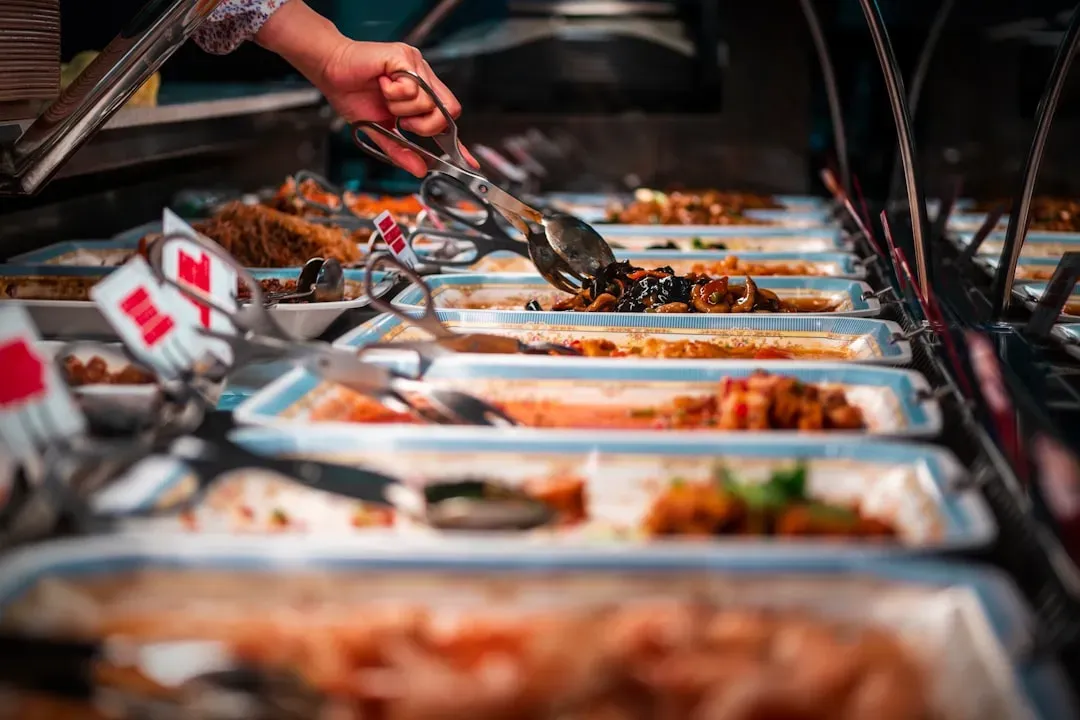
The buffet business model was always a delicate balancing act: charge a flat fee, keep food moving, and rely on volume to stay profitable. That equation has broken down severely in recent years. In the last five years, food and labor costs for the average restaurant have each gone up 35%, and other expenses for running a restaurant - the building, supplies, credit card processing fees - are also going up quickly. For a buffet operator replenishing dozens of hot dishes throughout service, that kind of cost inflation is particularly devastating.
Among full-service restaurant respondents to the National Restaurant Association's survey, salaries and wages including benefits represented a median of 36.5% of sales in 2024. Labor costs have climbed at an unprecedented pace since 2021, and food costs continue to escalate, with essentials like beef, chicken, coffee, and fresh vegetables experiencing double-digit price hikes. Buffets, which require large kitchen crews to constantly replenish, monitor, and refresh dozens of individual dishes, feel this labor pinch more acutely than most restaurant formats. The fixed-price model leaves virtually no room to pass these costs directly to customers without losing them entirely.
Shifting Consumer Tastes and the Millennial and Gen Z Effect

It isn't just economics driving buffets out of downtown food scenes - it's culture. Today's diners, particularly millennials and Gen Z, seek experiences that align with their values and lifestyles, favor restaurants offering fresh, sustainable, and customizable options, and buffets with their one-size-fits-all approach often fail to meet these criteria. This is a customer base that grew up reading ingredient labels and following food-focused social media accounts. A steam tray of mystery casserole simply doesn't compete.
Millennials are not impressed with casual dining restaurants or buffets - instead, they're opting for fast-casual restaurants like Chipotle and ordering delivery or takeout. Buffets, traditionally not known for their aesthetic appeal, struggle to compete with visually stunning and photogenic meals offered by other dining establishments, and this shift has led to a preference for fresh, customizable, and aesthetically pleasing meals over the pre-made, bulk offerings typically found at buffets. In a dining culture shaped by social media sharing, the buffet's visual limitations are a real commercial handicap.
Health Concerns and Food Safety Fears Changed Everything
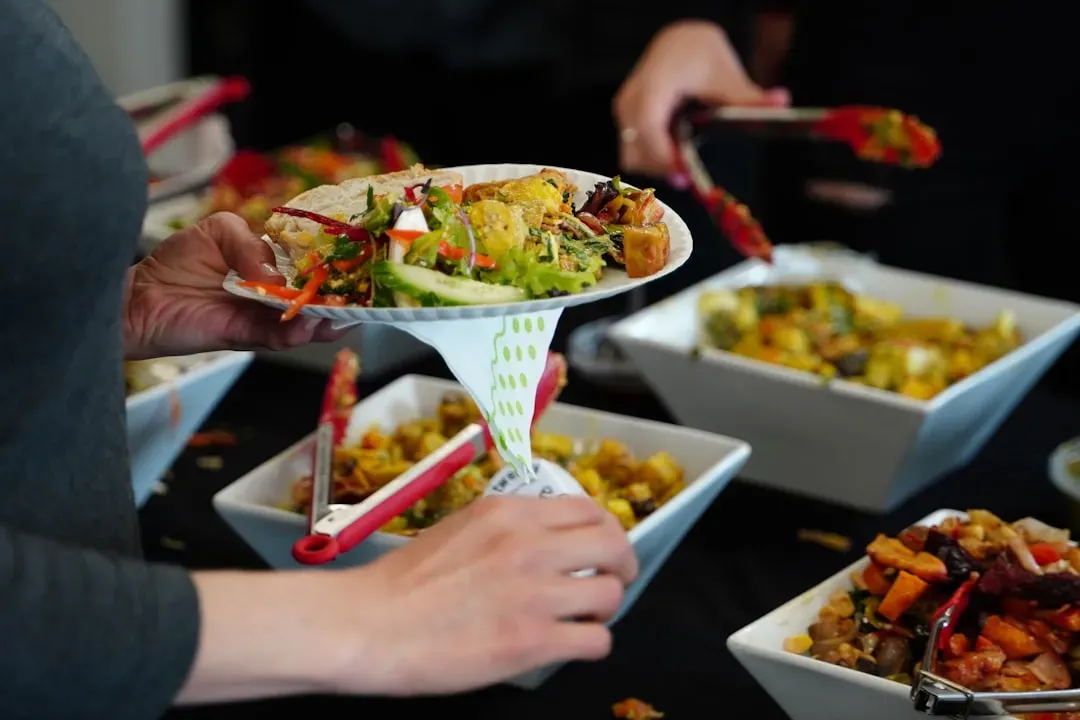
Long before the pandemic made communal dining feel dangerous, health concerns were quietly eroding buffet patronage. Most buffets operate on an all-you-can-eat model where customers pay a fixed fee and can consume as much food as they like, which encourages overeating - and both of these general aspects of buffet restaurants are unappealing to consumers who are dieting or otherwise conscious of their food consumption habits. The association between buffets and excess became a cultural liability as wellness trends gained momentum across American cities.
The COVID-19 pandemic had a profound impact on the buffet industry, as mandated closures and consumer fears about virus transmission in buffet-style settings led to a sharp decline in patronage. Public health guidelines mandated during the pandemic, such as social distancing and mask use, raised consumer awareness about food safety, and the communal serving style of buffets and the potential for shared surfaces led many customers to opt for safer dining options. Even as pandemic restrictions lifted, a significant portion of those customers never returned. The psychological shift around shared food surfaces proved lasting.
The Burden of Downtown Real Estate and Operational Overhead
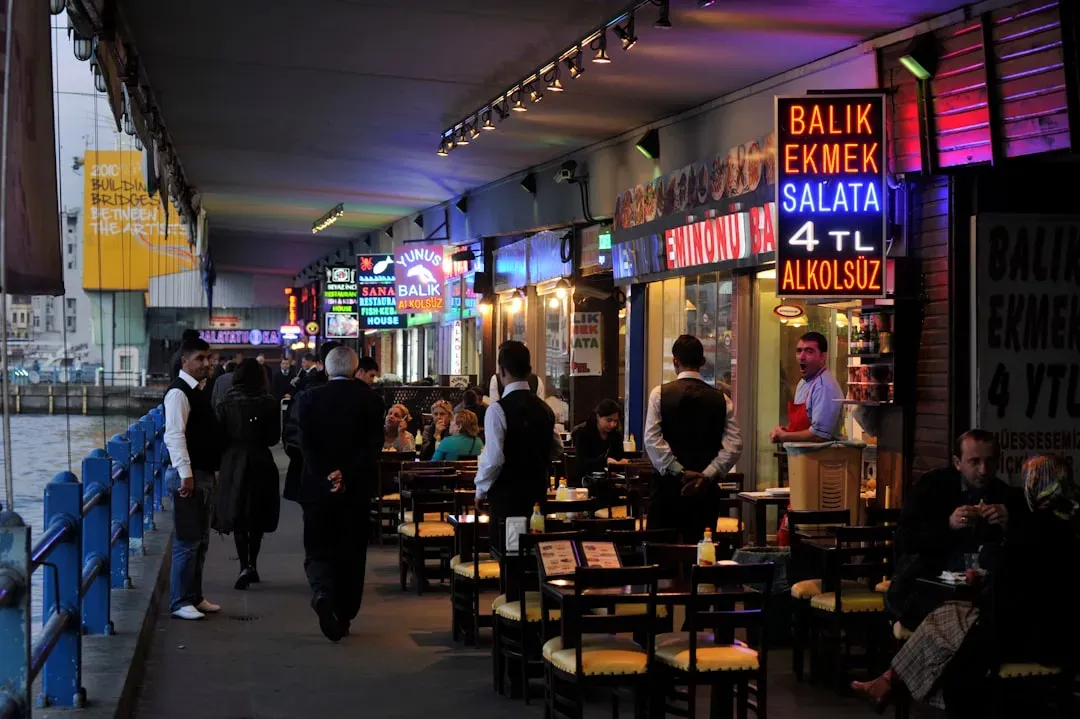
Buffets require enormous floor space. Unlike a compact fast-casual counter or a modest sit-down bistro, a full-service buffet needs room for dozens of chafing dishes, multiple food stations, a large dining floor, and significant back-of-house infrastructure. That spatial demand is brutally expensive in downtown urban environments. The cost of rent, especially in urban areas, has seen a steep rise in recent years, and restaurants located in cities where real estate prices have surged must absorb these higher rent costs, with the only way to do so being to increase menu prices.
Washington D.C.'s more than 2,600 restaurants hit a notable moment of distress in 2025, with multiple culinary mainstays announcing closures including Michelin-starred Tail Up Goat and longtime Penn Quarter barbeque institution Hill Country. Last year, 101 D.C. restaurant and tavern licenses were canceled, up from 64 licenses canceled in 2023. For buffet operators working on thin margins in a city-center location, a lease renewal at a sharply higher rate is often the final blow. The broad downtown footprint that once gave buffets their crowd-pleasing variety becomes an anchor when rent climbs.
The Broader Restaurant Industry Squeeze and What It Reveals
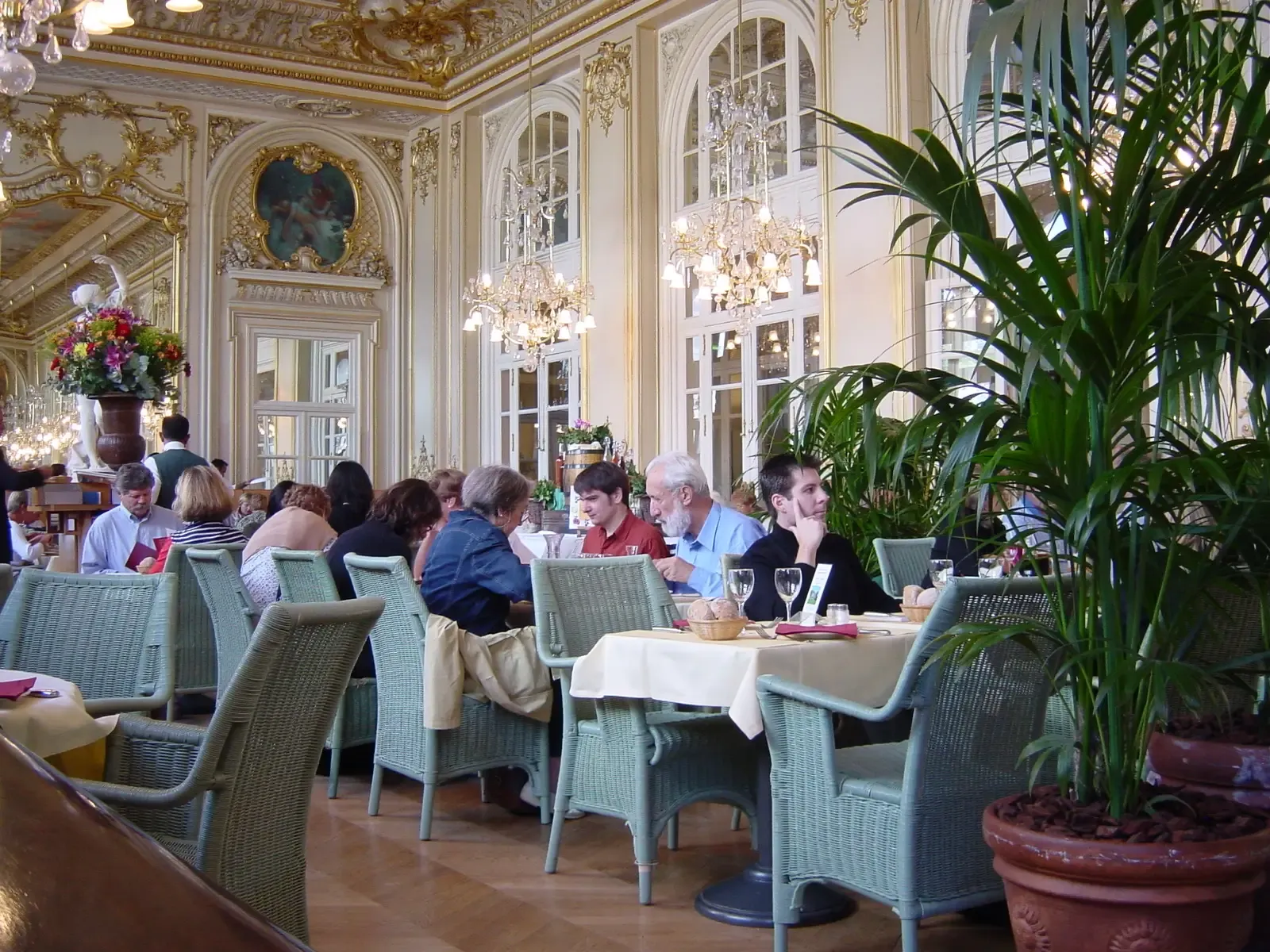
The disappearance of buffets from downtown food scenes doesn't exist in isolation - it reflects deep structural stress across the entire restaurant industry. Overall, 2024 was a challenging year for the restaurant industry, especially in comparison to the previous two years, as traffic declined at a higher rate and sales were notably lower. As of November 2024, 53% of operators said their restaurant was still carrying debt accumulated since the beginning of the pandemic. These conditions hit the most economically vulnerable restaurant formats hardest, and the high-volume, low-margin buffet model sits near the top of that vulnerability list.
Food inflation dominates restaurant concerns, with 52% of operators ranking it as their primary challenge and 86% including it in their top three, while labor costs closely follow as the second most pressing issue, ranked first by 31% of operators and in the top three for 83% of restaurants. The USDA projects dining-out inflation to hover in the 3 to 4 percent range through 2026, which is more moderate than the sharp spikes of the last few years but still enough to squeeze margins if left unchecked. The buffet, once a symbol of democratic plenty, now stands as a casualty of an era defined by rising costs, evolving tastes, and a dining public that wants more than quantity for its money.




Leave a Reply