
There was a time when sitting down at a sun-drenched terrace in Barcelona, squeezing into a tiny trattoria in Rome, or finding a quiet izakaya in Kyoto felt like stumbling upon something genuinely magical. Something personal. Something real. For millions of travelers, that experience has quietly shifted - and not in the right direction.
Climbing visitor numbers, spurred by post-pandemic "revenge travel," have resulted in record-high tourist totals in almost every major hotspot. The dining scene, so often the soul of a destination, has been caught in the middle. Restaurants are overrun, locals are fed up, and the warmth that once greeted a curious visitor at the door has sometimes been replaced by something colder. Let's dive in.
1. Spain - Where the Hospitality Is Still There, But the Resentment Is Growing
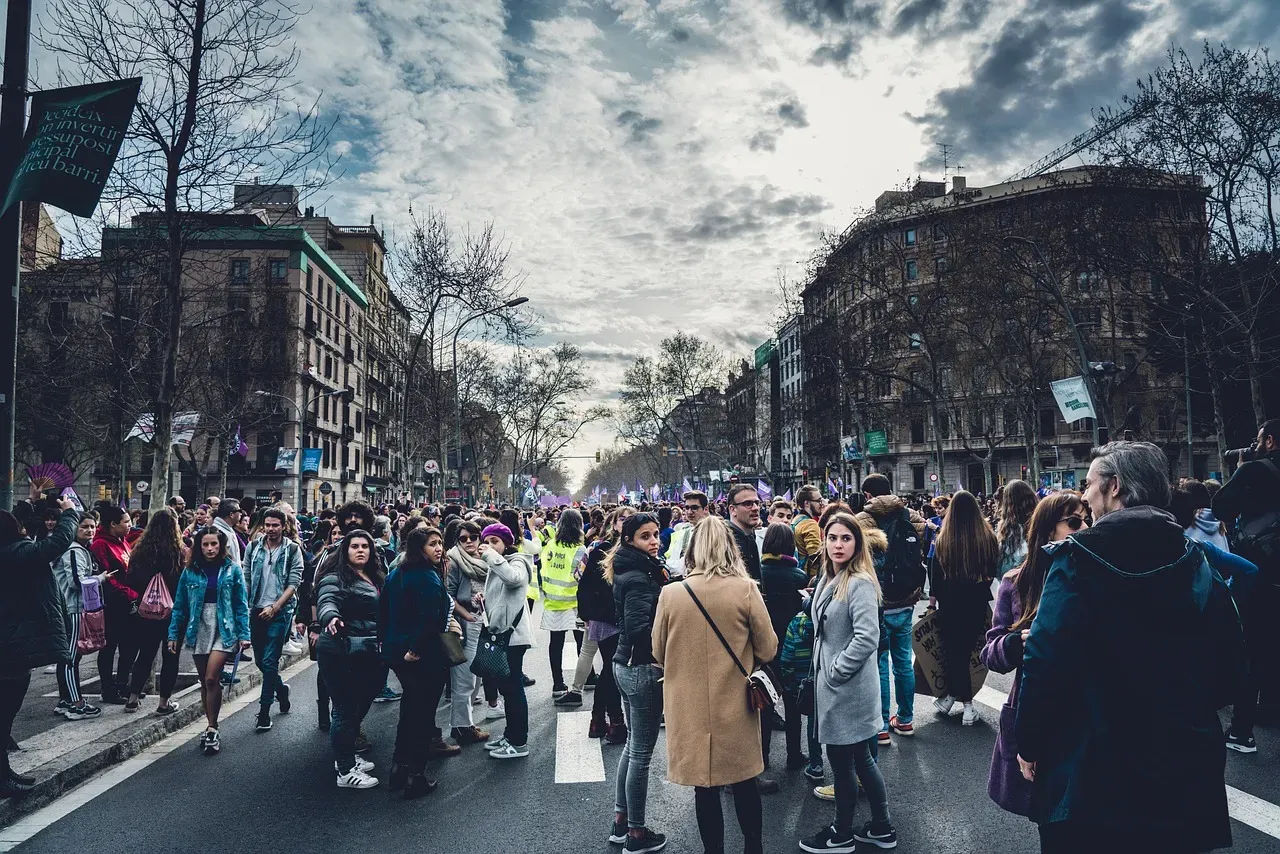
Spain has emerged as ground zero for the anti-tourism movement, with roughly one third of Spaniards believing their local area has too many international visitors, rising to nearly half in Catalonia, where Barcelona's 1.6 million residents host approximately 32 million tourists annually. That pressure doesn't stay outside the restaurant door. It seeps in.
In the summer of 2024, after years of enduring the pressures of overtourism, locals in Barcelona ramped up their protest, with thousands gathering to chant "tourists go home." A small group made headlines by squirting water pistols at visitors seated in outdoor cafes. Imagine trying to enjoy a plate of patatas bravas in that atmosphere.
Some Londoners even found a creative way to deliberately lead tourists to underwhelming restaurants, fearing they would crowd into the city's hidden gems if not. Similar protective behavior has been reported in Barcelona. Short-term rentals have hollowed out housing availability. Landlords, chasing tourist profits, evict long-term tenants. Average residents, especially the young and working class, are pushed further from city centers.
In Spain, tourism was projected to grow by 5% in 2024 - more than double the rate for the overall economy - with more than 90 million visits expected from overseas tourists. That kind of scale fundamentally changes how restaurants interact with visitors. Rushed service, tourist-trap menus, and eye-watering prices in once-beloved local spots are all part of the shift travelers keep reporting.
2. Italy - Loved to Near Death
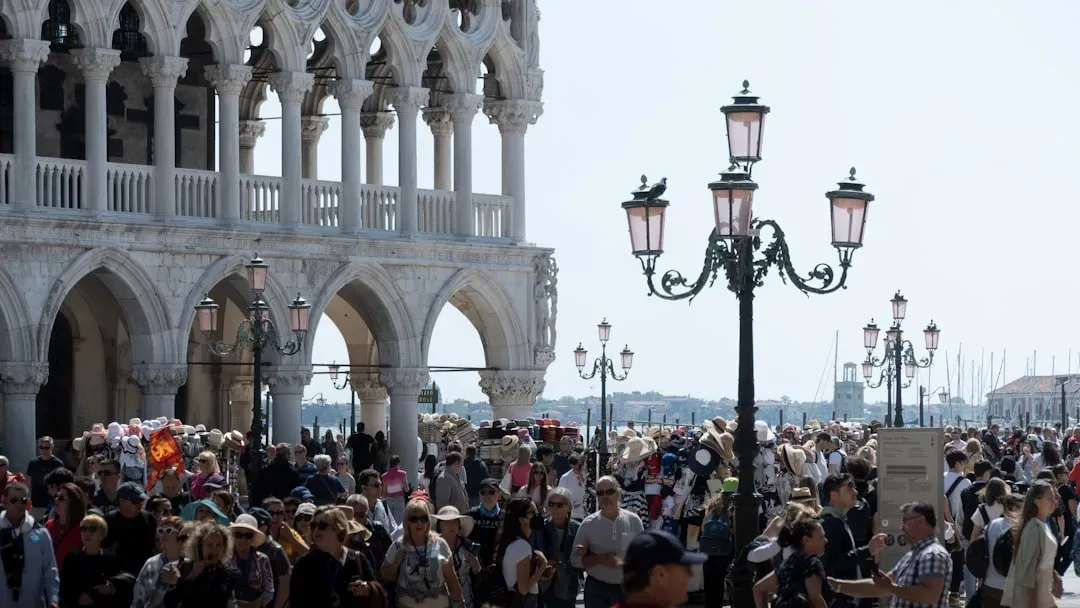
From the narrow canals of Venice to the art-filled galleries of Florence, Italy's most treasured cities are being loved to death. In 2024, more tourists visited Italy than the country has citizens, and almost all of them crowded into just a handful of hotspots. The restaurant scene has felt it acutely.
Venice now charges €5 to €10 entry fees for day-trippers and has severely limited cruise ship access. But even with these measures, residents fear the cultural fabric of their hometowns is being unraveled by souvenir shops and selfie-stick sellers.
In places like Cinque Terre, overtourism pushes up housing prices, forcing locals to leave because they can't afford to live there anymore. Local shops and services often start focusing on tourists instead of residents - stores in Cinque Terre now sell souvenirs rather than groceries. That same logic transforms restaurants. What was once a neighborhood eatery becomes a tourist trap almost overnight.
Italy has long imposed tourist taxes in cities like Rome, Florence, and Milan. However, in 2025, Venice introduced an unprecedented dual approach targeting both day-trippers and overnight guests, with a new Venice Entry Tax applying to visitors arriving between 8:30 AM and 4:00 PM on select days. Honestly, it's hard to feel welcome when you're taxed just to walk in the door.
3. Greece - Paradise With a Patience Problem
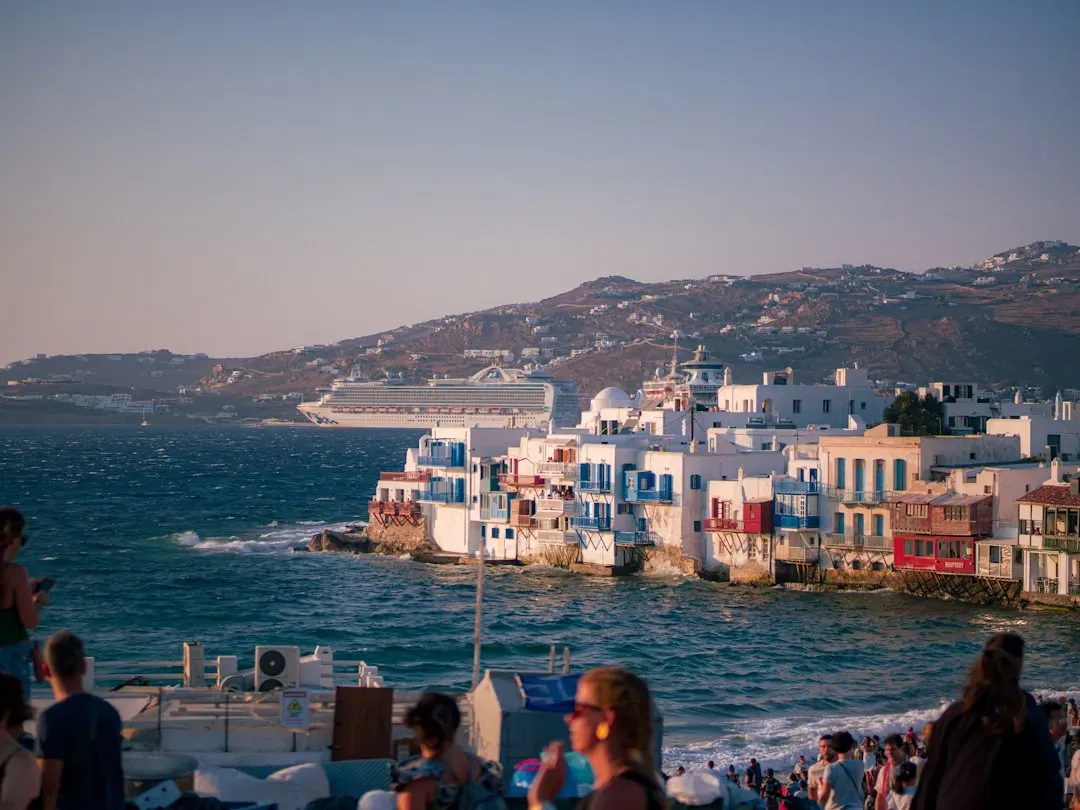
Greece welcomed nearly four times more tourists than its population in 2024. That's a stunning statistic - and a recipe for disaster on islands like Mykonos and Santorini, where water is now trucked in from the mainland or desalinated to meet surging demand.
Santorini attracted over 2 million visitors in 2024, making it the busiest summer yet. The Greek government has made it clear that some of its most famous islands can no longer support the massive influx of cruise visitors, with Santorini already experiencing severe water shortages and local wine production halved due to the unsustainable consumption of water by tourists.
In Greece, residents in Athens and Paros have protested against overtourism, accusing tourists of displacing locals and diluting the city's character on islands like Santorini and Mykonos. When locals feel invaded in their own neighborhoods, that tension inevitably spills into every restaurant interaction.
Santorini has limited its daily cruise passengers to 8,000, ensuring a more sustainable flow of visitors. The Acropolis has introduced a daily visitor cap of 20,000 to preserve the site's integrity, with a timed-entry system to regulate crowds. The dining scene on the islands reflects this friction - visitor accounts consistently describe rushed service, inflated prices, and menus that have slowly shed their soul to cater to volume over quality.
4. France - The Perception Problem That Won't Go Away
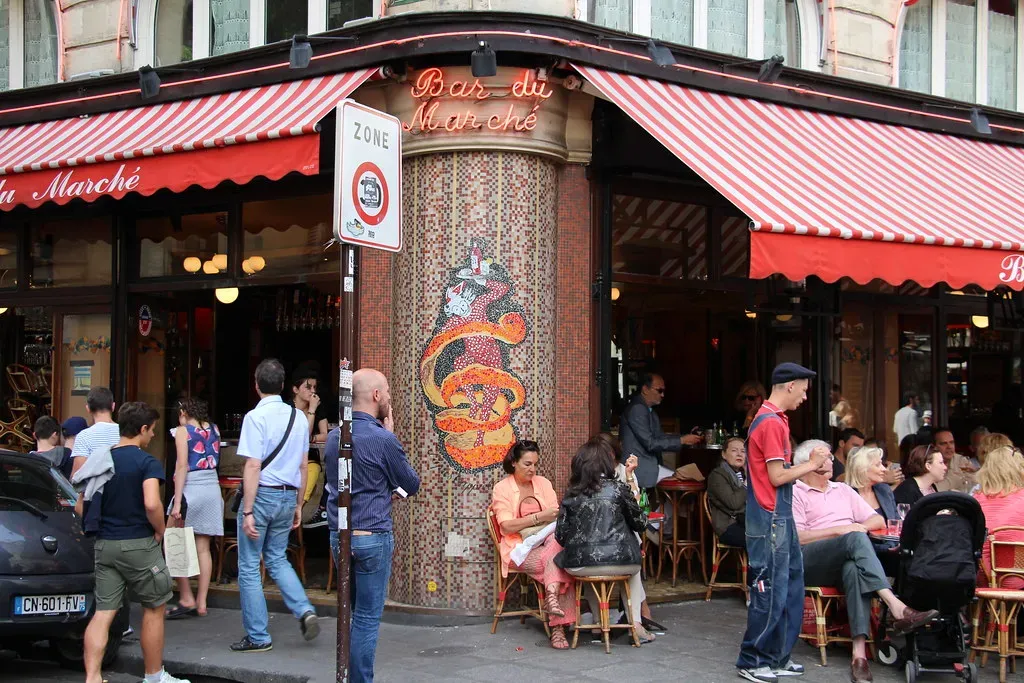
France maintained its position as the world's most visited country, receiving 102 million international arrivals in 2024, making it the first country ever to surpass 100 million annual tourists. That's an almost incomprehensible number of people flooding its restaurants, bistros, and brasseries.
Tourists are confronted with an overcrowded and littered city and a less than welcoming attitude by French hospitality workers, like shopkeepers, restaurant and hotel personnel. This perception is well-documented and long-standing, though it's worth noting it's far from universal across the country.
Despite some English-speaking visitors reporting finding France an "isolating" place, leaning into the cliché of French people being perceived as "rude," tourism bodies are actively working to limit these experiences. Still, the perception persists - and in dining especially, where language barriers meet high cultural expectations, it can sting.
The Olympic Games in 2024 brought so much attention to Paris that more than 50 million people visited the city in that year alone. Earlier in the summer, residents in Montmartre began sounding the alarm over surging crowds, with one resident saying "People come for three hours, have fun, buy a beret or a crepe, and leave, as if they were in an amusement park." That sentiment - of being treated like a theme park - inevitably changes how restaurateurs interact with the endless tide of visitors.
5. Portugal - From Hidden Gem to Overwhelmed Host
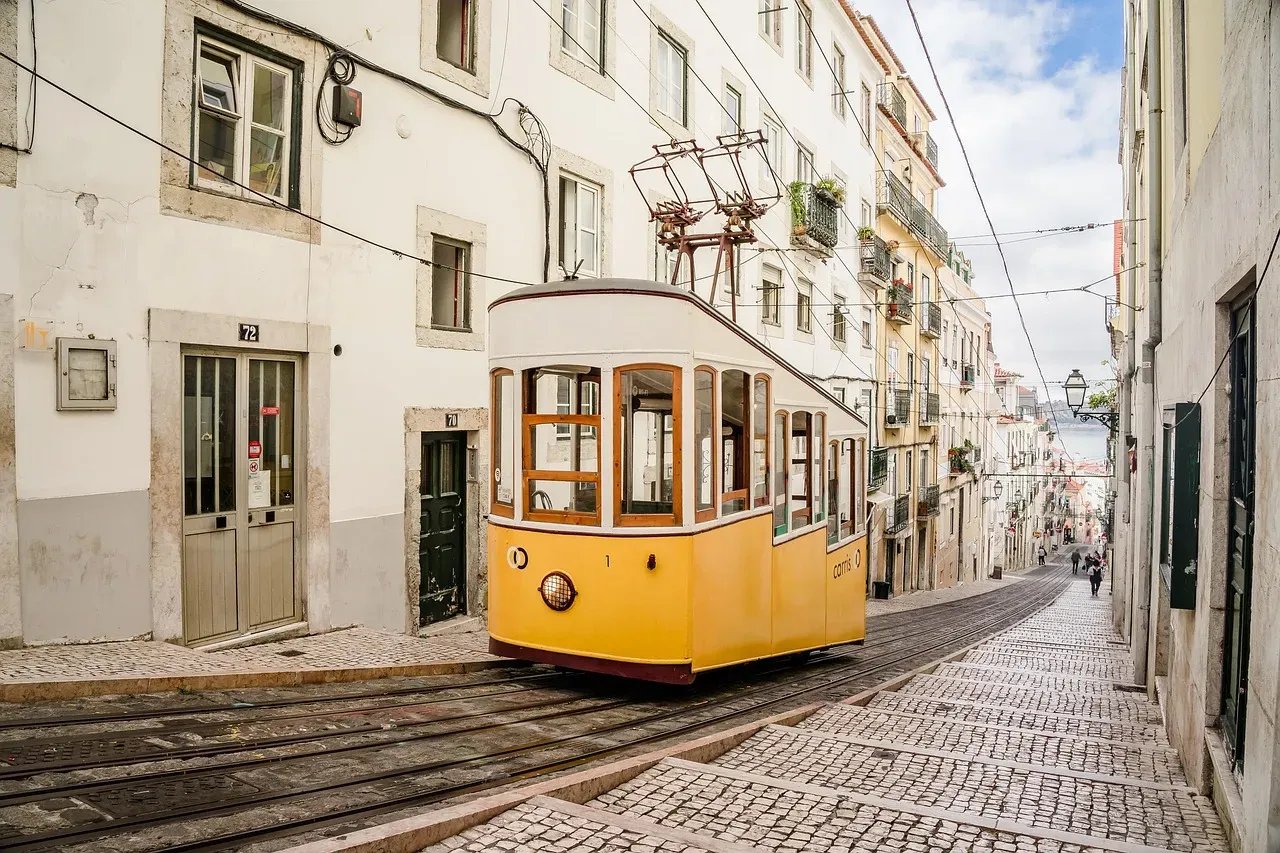
Portugal used to feel like Europe's secret. A place where a traveler could stumble into a tiny tasca in Lisbon, share a table with locals, and eat the freshest grilled fish of their life for almost nothing. That era feels like a fading memory now.
Portugal struggled with overtourism challenges and saw a staggering 26% increase in arrivals in 2024 - and its popularity shows no signs of waning, as the country continues to rank high on lists of best countries to visit. The dining scene has been transformed almost beyond recognition in Lisbon and Porto.
In a 2024 protest in Tenerife - a trend mirrored across Portugal's Canary Island neighbors - a local said their rent was €800 while they earned a salary of €900. Another activist complained about short-term booking websites, saying they increased housing prices for locals, who now have to sleep in cars and caves. The same economic displacement affects restaurant workers, who can no longer afford to live in the cities where they serve tourists.
Portugal's tourist tax now applies to 13 major cities, including Lisbon and Porto. From April to October, visitors are required to pay €2.00 per day. It's a small fee, but it signals a broader shift in the country's relationship with its visitors - one that has not gone unnoticed at the dinner table.
6. The Netherlands - Amsterdam's Blunt Pushback
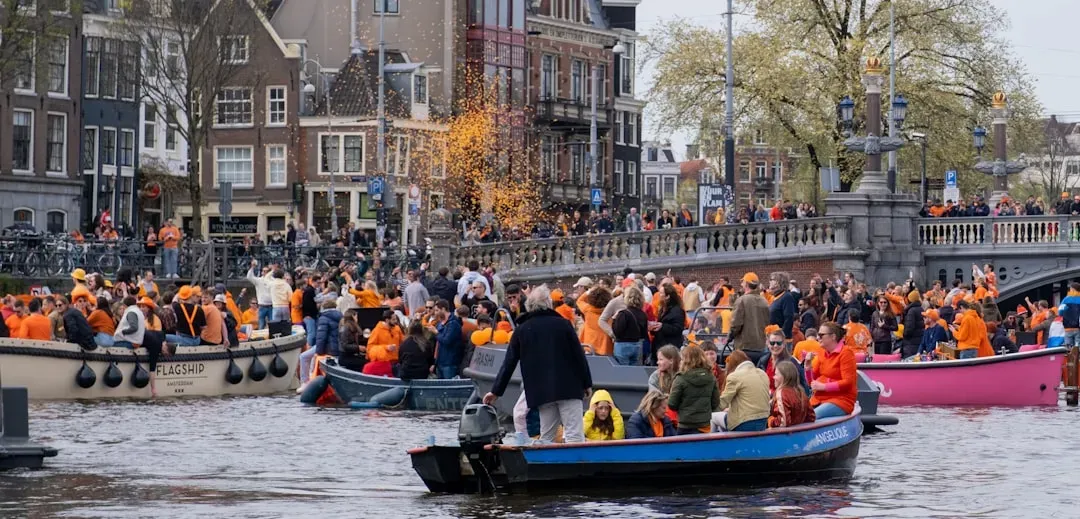
Amsterdam has never been shy about saying what it thinks. And in recent years, what it thinks about tourists - especially in its restaurant and nightlife zones - has grown noticeably less enthusiastic.
Amsterdam has banned the construction of new hotels and introduced a unique limit of 20 million visitors annually to ensure the city remains livable for residents. The Dutch capital is essentially putting a ceiling on how popular it wants to be. That's a remarkable statement from a city that was once defined by its openness.
The Netherlands has adopted a percentage-based model that ties taxes to the cost of a tourist's accommodation. In 2025, the standard rate has risen to 12.5% of the nightly rate for all forms of lodging in Amsterdam, including hotels, hostels, apartments, and campsites. This rate adjustment follows widespread concerns about overcrowding, where tourism has strained infrastructure and increased living costs for residents.
In summer 2024, tens of thousands of locals expressed their growing frustration in anti-tourism rallies and demonstrations across Europe, including the Netherlands. Critics contend that higher visitor numbers contribute to increased housing costs, community erosion, and crowded public transportation. In Amsterdam's restaurant scene, visitors have increasingly noted the difference - shorter patience from staff, less effort to accommodate tourists who don't speak Dutch, and a general sense that the red carpet has been quietly rolled up.
7. Japan - Polite on the Surface, Strained Underneath
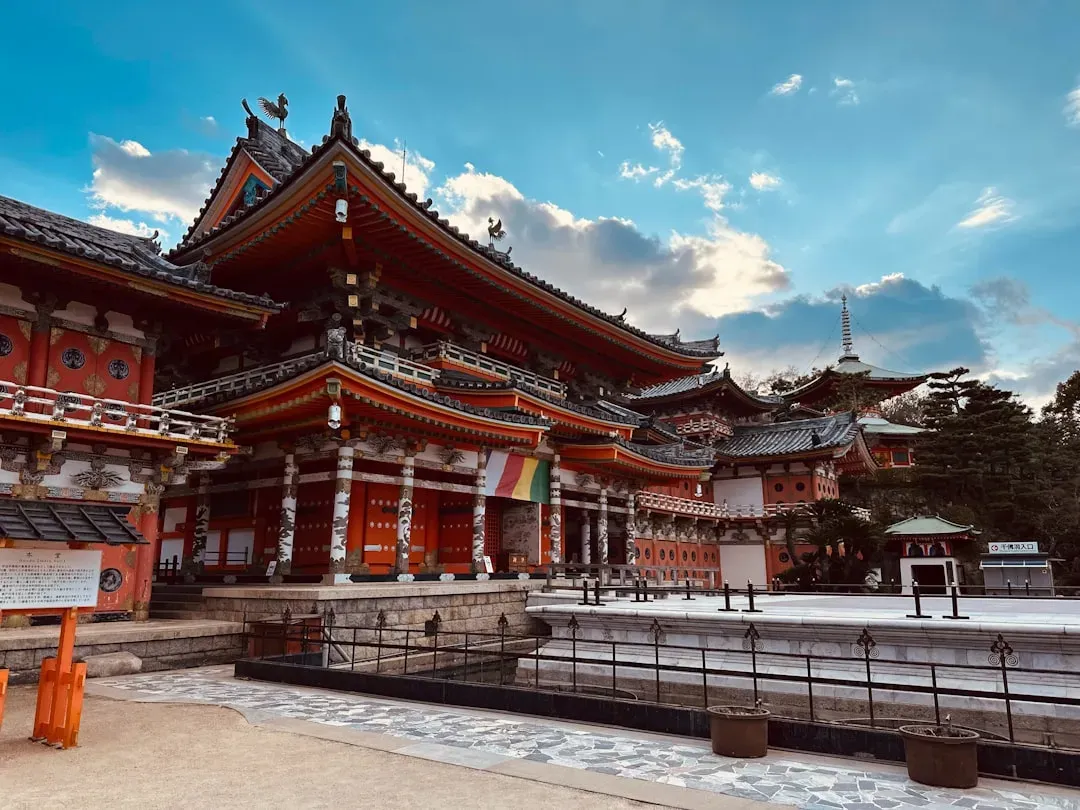
Japan is perhaps the most quietly fascinating case on this list. The country remains deeply welcoming by global standards - staff bow, service is immaculate, and the food is staggering. Yet underneath the politeness, something has shifted in ways that are measurable and real.
Japan's tourism industry experienced a significant resurgence in 2024 as the world reopened after the pandemic, but the return of foreign visitors also reignited concerns over overtourism. According to a recent survey by the Development Bank of Japan and the Japan Travel Bureau Foundation, over 30% of foreign tourists reported overtourism-related issues during their trips.
A new practice is emerging in some tourist areas: some restaurants offer different prices depending on whether you view the menu in Japanese or English. While this practice is currently limited, it could become more common, increasing costs for foreign tourists. That's a subtle but unmistakable signal. It's not hostility - it's boundary-setting, Japanese style.
Japanese officials introduced a mandatory ¥2,000 climbing fee in 2024 on Mount Fuji's popular Yoshida Trail and capped daily access to 4,000 hikers. In Okinawa, UNESCO-protected Iriomote Island now limits daily tourists to 1,200, while Kyoto has banned tourists from entering private alleys in the Geisha district due to overtourism protests from residents. The friction felt in Japan's dining spaces is a direct reflection of communities trying to protect what makes their culture worth visiting in the first place.




Leave a Reply